

 Phoenix 24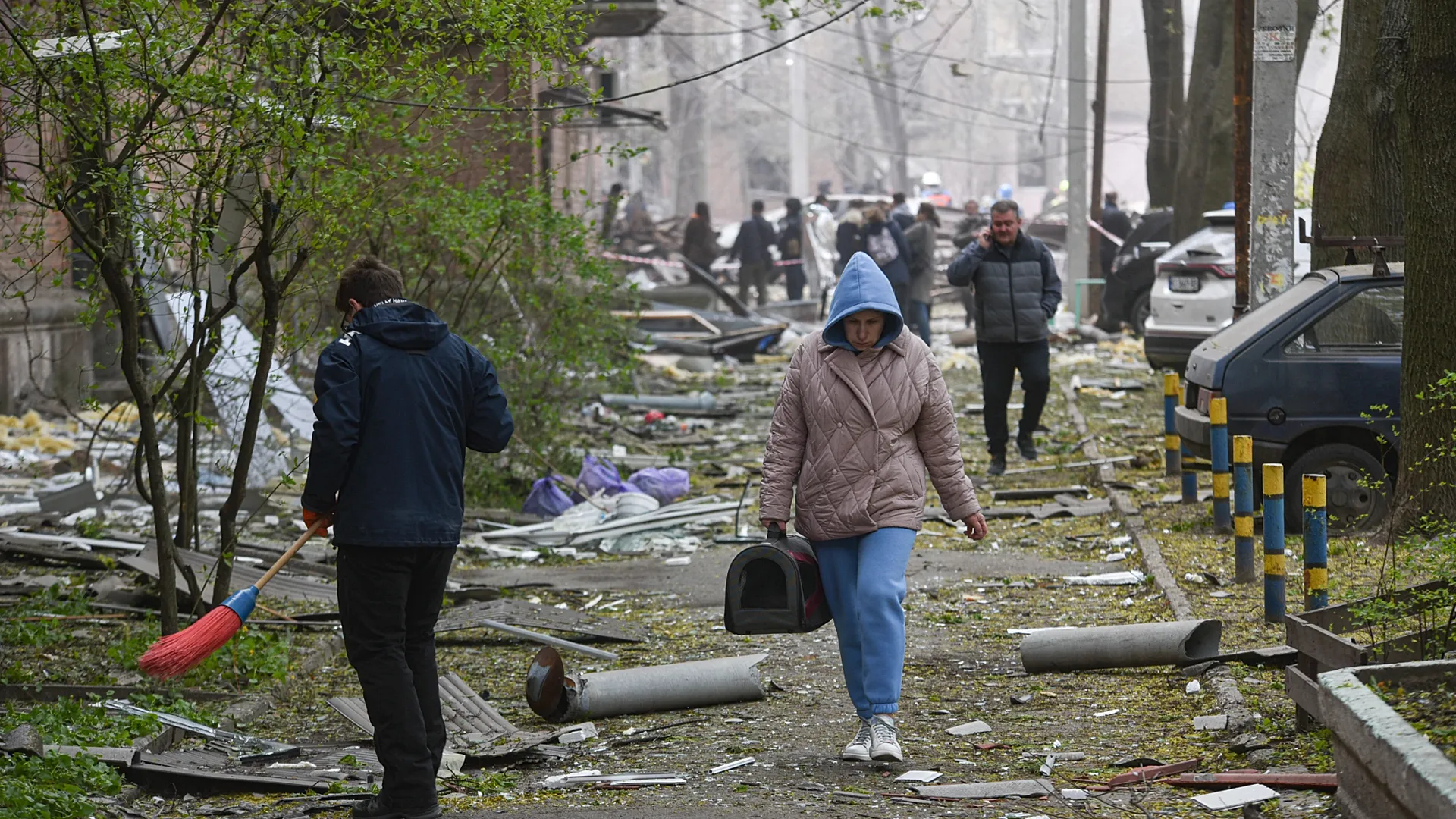
Another night confirms the war’s relentless rhythm.
Dnipro, April 2026. At least seven people were killed and dozens injured after a new wave of Russian missile and drone strikes hit multiple regions of Ukraine, marking one of the most intense attacks in recent weeks. The city of Dnipro was among the hardest hit, where residential buildings were struck and emergency teams continued searching through debris for survivors.
The operational pattern remains consistent. Large-scale, night-time attacks are designed to overwhelm air defenses and maximize disruption in urban areas. Even with a high interception rate, the sheer volume of drones and missiles increases the probability of impact, turning each offensive into a test of endurance for Ukraine’s defensive systems and civilian resilience.
The geographic spread of the strikes adds a strategic layer. Beyond Dnipro, other regions reported damage and casualties, indicating a coordinated effort to apply pressure across multiple internal fronts. This dispersion is not incidental; it reflects an approach aimed at stretching response capabilities and maintaining a constant sense of vulnerability within the country.
From Kyiv’s perspective, the attacks reinforce a broader narrative of sustained attrition. Ukrainian authorities continue to frame these operations as part of a long-term strategy to erode infrastructure, morale and economic stability. In response, calls for expanded air defense systems and accelerated international support have intensified, underscoring the gap between defensive capacity and offensive scale.
The timing also matters. As diplomatic signals intermittently reappear on the international stage, each escalation on the battlefield reshapes the conditions under which any negotiation might occur. Military pressure and political dialogue are no longer parallel tracks; they are deeply intertwined, with each strike influencing the credibility and urgency of potential talks.
What emerges is not an isolated episode, but a sustained pattern of pressure. Russia retains the capability to launch large-scale attacks, while Ukraine continues to absorb and respond without fully neutralizing the threat. In that tension, the conflict persists, defined by cycles of impact, recovery and renewed escalation.
Behind every strike, there is intent. Behind every escalation, a structure.