

 Phoenix 24
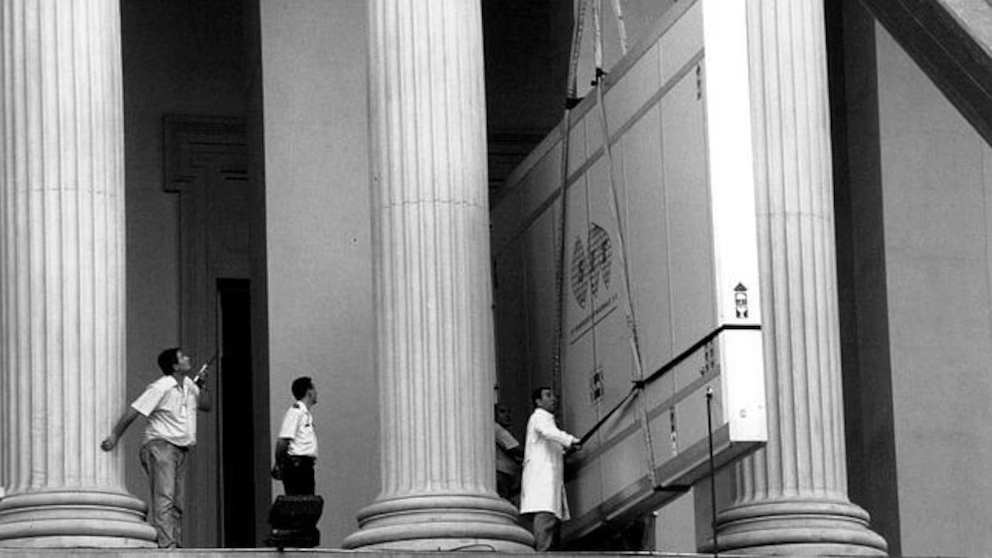
Some masterpieces become too fragile to travel.
Madrid, April 2026
The last relocation of Picasso’s Guernica was not a routine museum transfer, nor even a large technical movement in the ordinary sense. It required an extraordinary deployment because the painting had already become a work whose material condition imposed severe limits on any attempt to move it again. Its symbolic value has always been immense, but the decisive issue is physical vulnerability. Guernica is no longer simply a masterpiece that happens to be large. It is a fragile object whose conservation history has turned transport into a genuine risk.
That is what gives the story such force today. Public debate often treats movement as a matter of political will, institutional generosity, or cultural justice. But in the case of Guernica, those categories collide with the far harder logic of preservation. The painting’s dimensions, accumulated wear, and structural delicacy mean that moving it is not just expensive or complex. It is potentially damaging in ways that cannot be undone once the process begins.
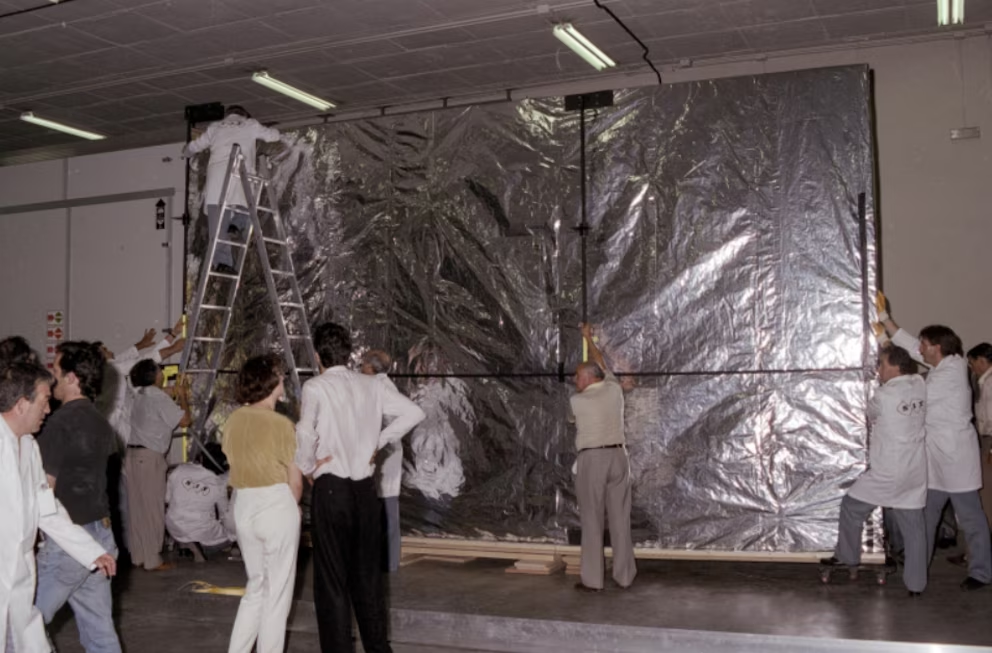
This changes the meaning of the dispute around the work. When people imagine a transfer, they usually picture crates, security teams, and a carefully planned route. In reality, the challenge goes much deeper. Environmental stability, vibration control, mounting pressure, surface sensitivity, and the overall tolerance of the canvas all become central concerns. At a certain point, the question stops being whether a move is technically possible in theory. It becomes whether any responsible institution can justify the danger in practice.
That is why the comparison between moving Guernica and dismantling an Egyptian temple feels so striking. It sounds excessive at first, but it captures the unusual scale of the problem. The issue is not only logistics. It is the combination of symbolic responsibility and material instability. Some artworks remain portable despite their fame. Others reach a condition in which portability itself becomes the threat.
The current controversy in Spain has sharpened that contradiction. Demands to see the painting moved again in the name of memory and historical symbolism run directly into the museum’s refusal on conservation grounds. This is not a clash between sensitivity and indifference. It is a clash between two different obligations. One seeks symbolic repair through displacement. The other insists that preservation must prevail when the object itself may not survive another journey without harm.
That tension says something important about cultural heritage more broadly. Modern publics often assume that access is the highest form of respect, that a work of national importance should circulate when history or politics demands it. Yet preservation can require the opposite ethic. There are moments when caring for an artwork means refusing the very mobility that public memory desires. In those cases, the museum becomes not a barrier to meaning, but a guardian of the object’s physical limits.
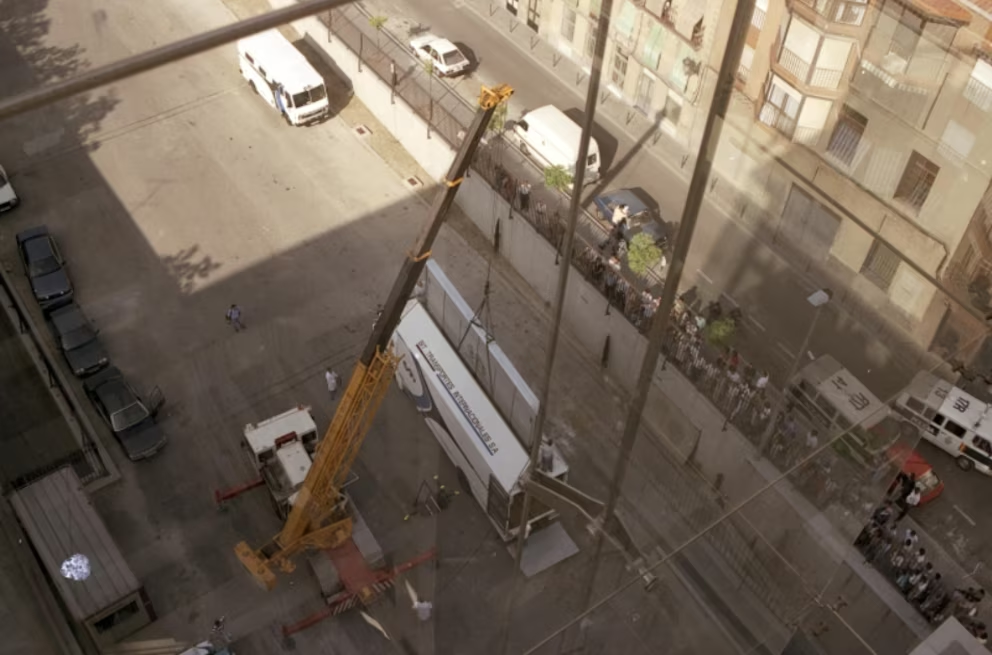
Guernica now appears to belong to that category. Its public life is no longer determined only by its message, its history, or its place in collective memory. It is also determined by the fact that the painting itself may no longer be able to bear the burden of movement. That reality is uncomfortable because it frustrates symbolic demands that many consider legitimate. But it also reveals a deeper truth. Some masterpieces eventually become tied to place not by ritual, but by fragility.
The story of its final move therefore carries a broader lesson. Art is not only interpreted. It is also sustained by technical care, and sometimes that care imposes boundaries the public does not want to hear. Guernica remains one of the most powerful images of modern violence ever created, but its present condition reminds us that even the greatest works do not escape material exhaustion. In the end, the final journey of Guernica matters because it may truly have been the last one the painting could endure.
Más allá de la noticia, el patrón. / Beyond the news, the pattern.