

 Phoenix 24
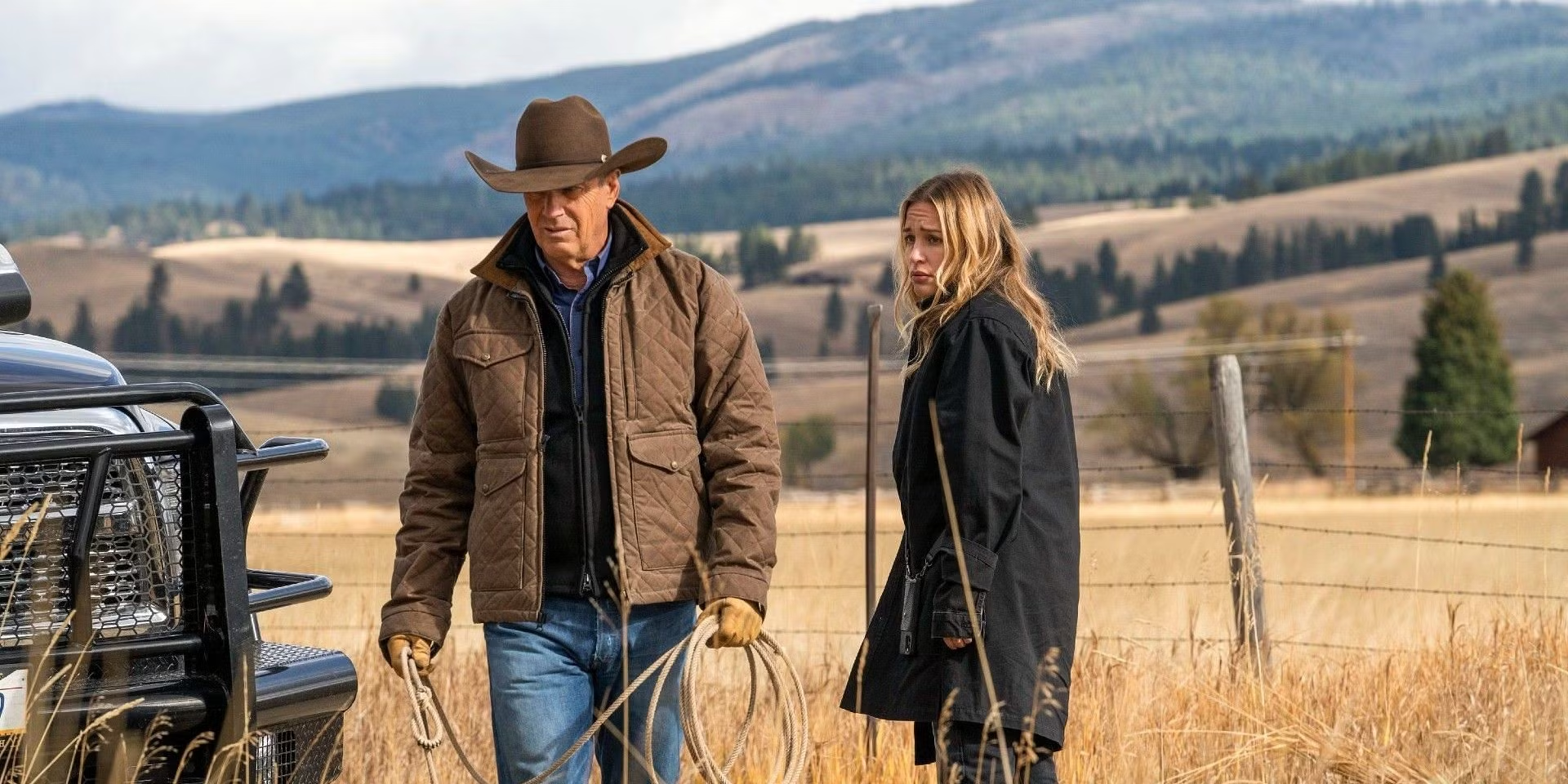
The western survives by changing its center of gravity.
New York, March 2026
Kevin Costner’s latest western-adjacent wager is not another direct return to the saddle as the lone face of frontier masculinity. This time, the project gaining traction is The Gray House, an eight-episode series he produces, built around espionage, women, and the hidden architecture of the American Civil War. The comparison to Yellowstone says less about plot than about appetite. Audiences are still looking for prestige drama shaped by land, conflict, power, and American myth.
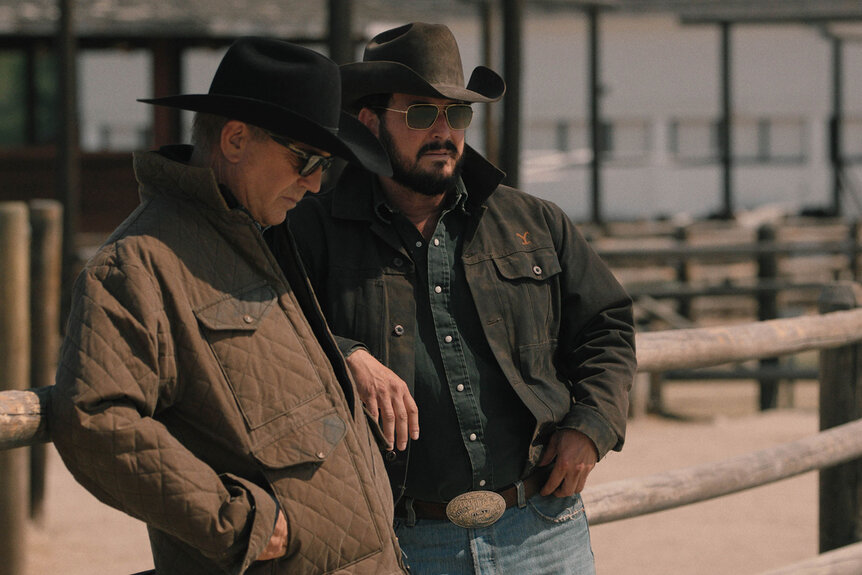
That matters because Costner remains one of the most recognizable custodians of the modern western imagination, even after the turbulence surrounding Yellowstone and the uncertain trajectory of Horizon. Any project connected to his name immediately enters a larger symbolic field. It is measured not only as entertainment, but as part of an ongoing struggle over whether the western can still renew itself without becoming self parody. The Gray House appears to answer that challenge by shifting the genre’s weight away from ranch dynasties and toward covert female intelligence during wartime.
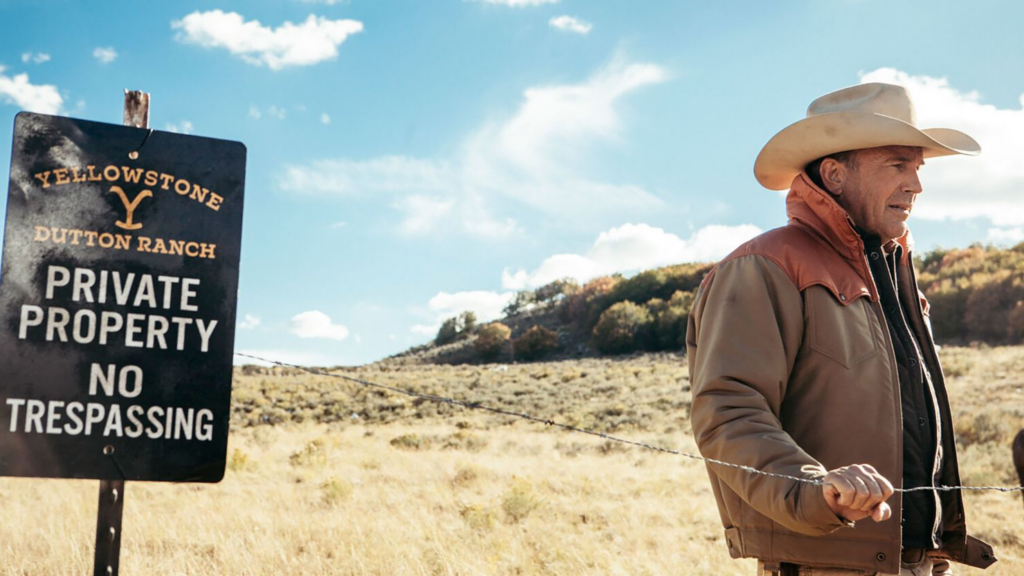
The move is strategically intelligent. Rather than trying to out imitate Yellowstone on its own terrain, the series leans into adjacent elements that made that universe resonate: historical tension, loyalty, violence, political intrigue, and a country haunted by its own myths of order. But it does so through a different lens. By centering women who operated in the shadows of the Civil War, the show tries to preserve the muscular appeal of the frontier while widening who gets to occupy its dramatic center.
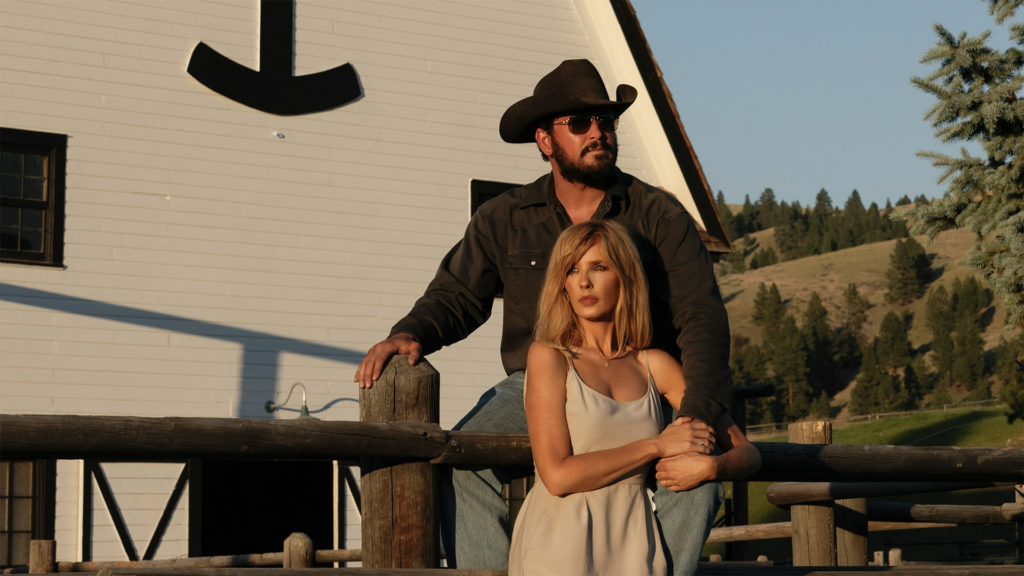
There is also an industry logic behind the excitement. Prestige westerns now function less as a fixed genre than as an expandable narrative ecosystem. What matters is not only horses, dust, and open landscapes, but the broader emotional grammar of territory, codes of honor, family struggle, and institutional breakdown. In that sense, a series does not need to replicate Yellowstone literally to be sold as its possible successor. It only needs to promise a similarly intense relationship between history, identity, and power.
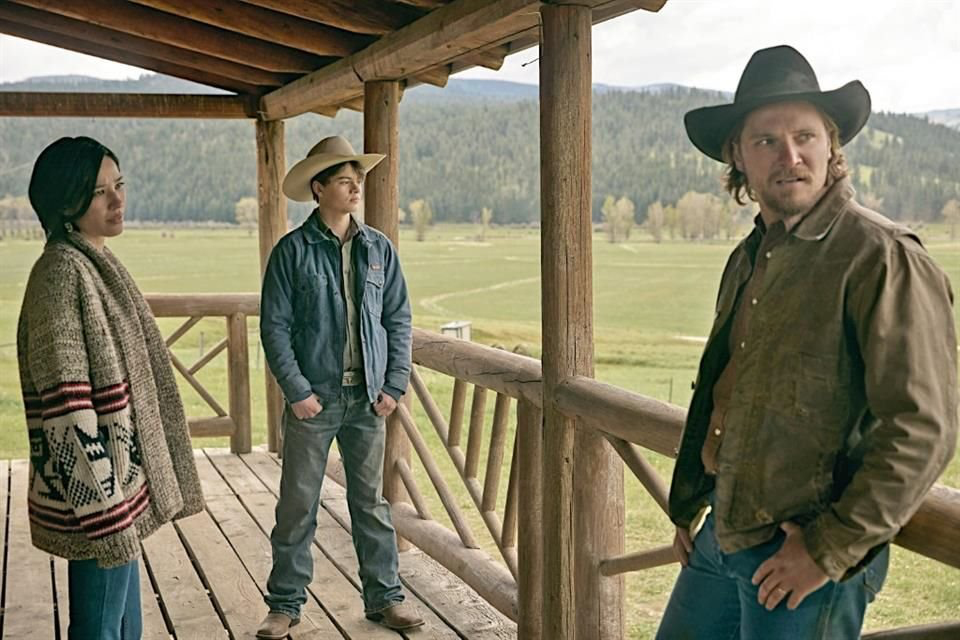
Costner’s presence reinforces that expectation even when he is not the central on screen figure. His name still signals a particular kind of American storytelling, one that treats the past not as museum material but as a living battlefield of ambition and memory. After the mixed fate of his recent projects, producing rather than carrying the whole myth himself may also be a more flexible move. It lets him remain inside the western conversation without forcing another direct comparison to his previous iconic roles.
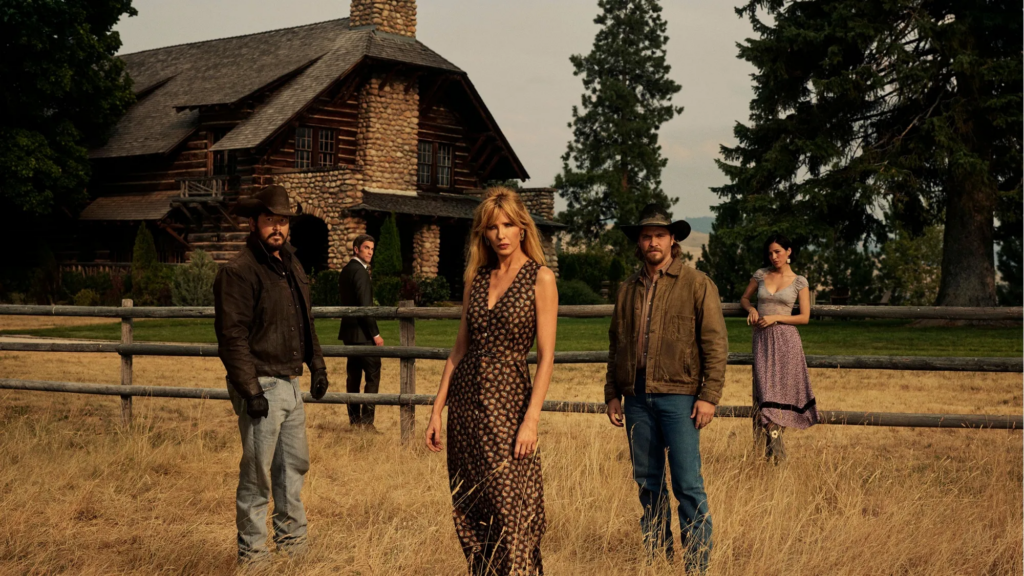
What emerges from this new bet is not simply another entertainment story about genre revival. It is a sign that the western remains culturally alive precisely because it keeps mutating. The next Yellowstone may not look like a ranch saga at all. It may arrive disguised as espionage, historical intrigue, or a female centered war drama that still understands the oldest lesson of the genre: America never stops narrating itself through conflict over land, loyalty, and power.
Phoenix24: journalism without borders. / Phoenix24: periodismo sin fronteras.