

 Phoenix 24
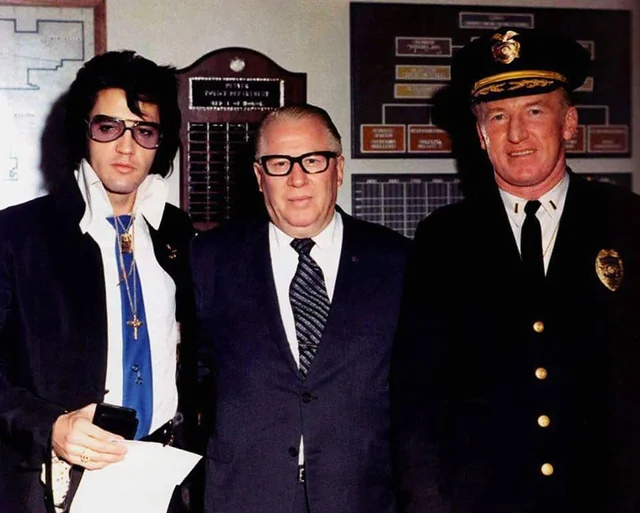
Fame briefly gave way to a fantasy of duty.
Memphis, March 2026
The story of Elvis Presley stopping at a car accident and helping as an honorary member of the police endures because it captures a peculiar fusion of myth, instinct, and performance. The episode is situated in Memphis in March 1976, shortly after Presley had been recognized by local law enforcement. He reportedly stopped, checked on those involved, and tried to help manage the scene until officers arrived. What makes the anecdote memorable is not only the gesture itself, but the way it collapses celebrity and authority into a single image.
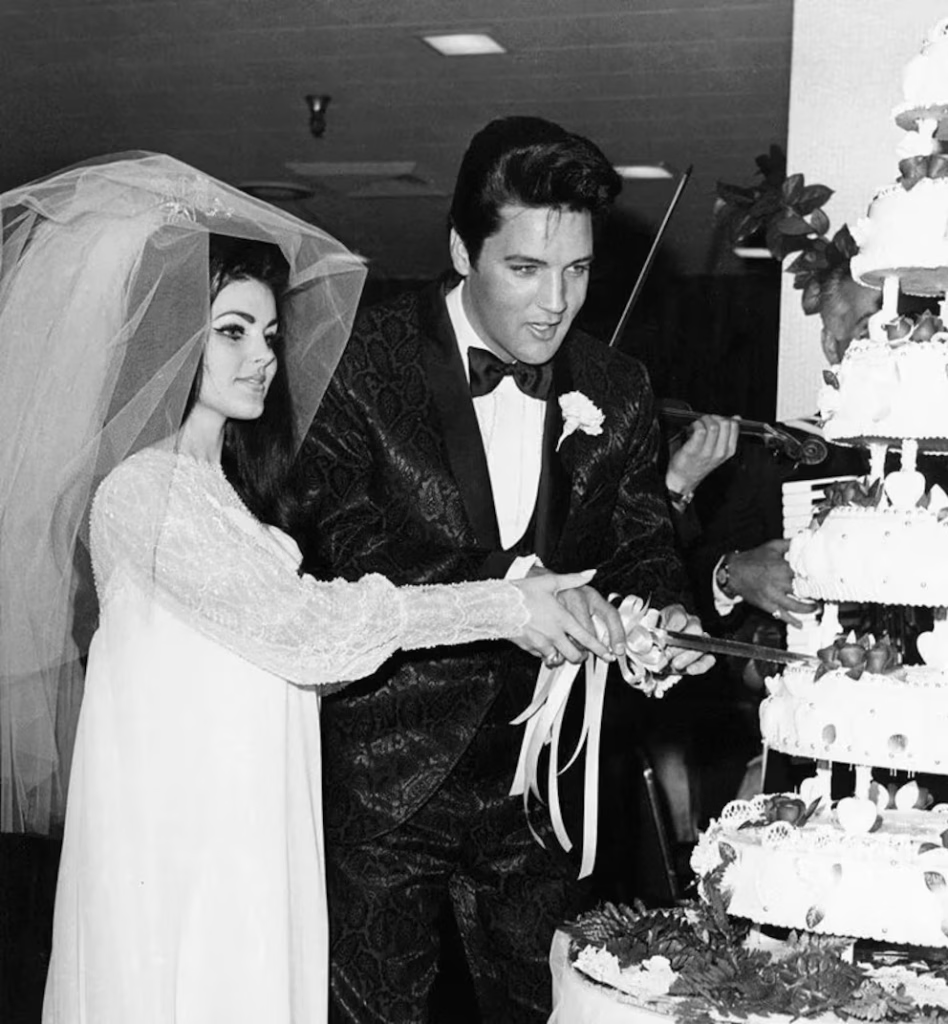
Elvis had a long fascination with police culture. He collected badges, cultivated relationships with officers, and treated the symbols of law enforcement with a seriousness that went beyond casual admiration. In that context, the accident scene reads less like random improvisation and more like the sudden activation of a role he had already been rehearsing in his imagination for years. The badge may have been honorary, but the desire behind it was not.
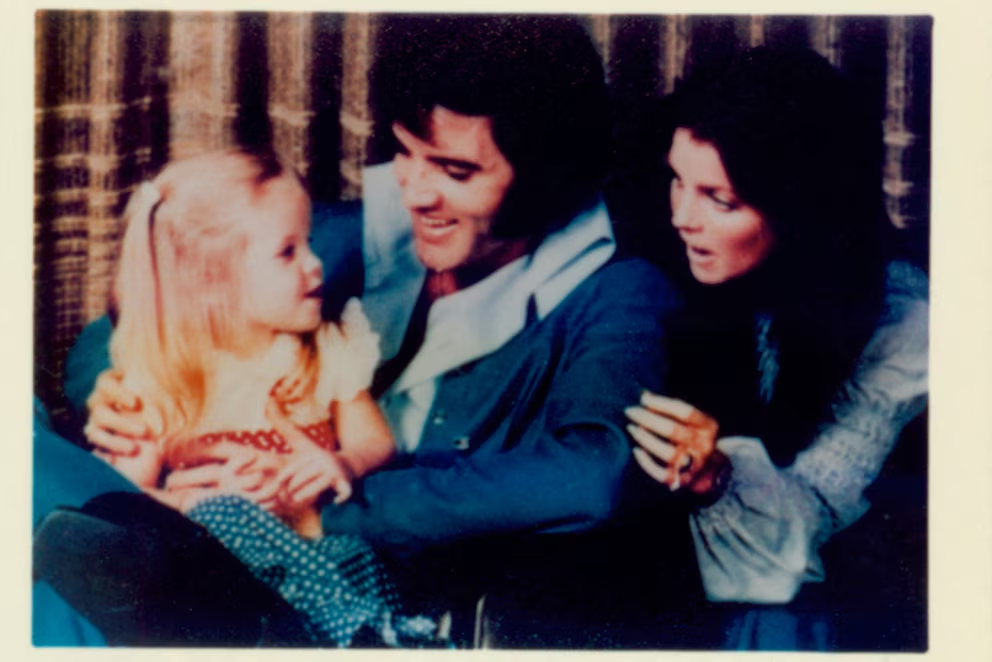
That is why the anecdote feels larger than celebrity trivia. Elvis did not merely stop as a famous man curious about a roadside disturbance. He stepped into the moment as someone who wanted, however briefly, to inhabit the discipline and authority he associated with policing. For a few minutes, the distance between the world’s most recognizable entertainer and the civic fantasy he admired appears to have narrowed almost completely. The scene carries the strange emotional logic of a man trying to live, for an instant, inside one of his deepest identifications.
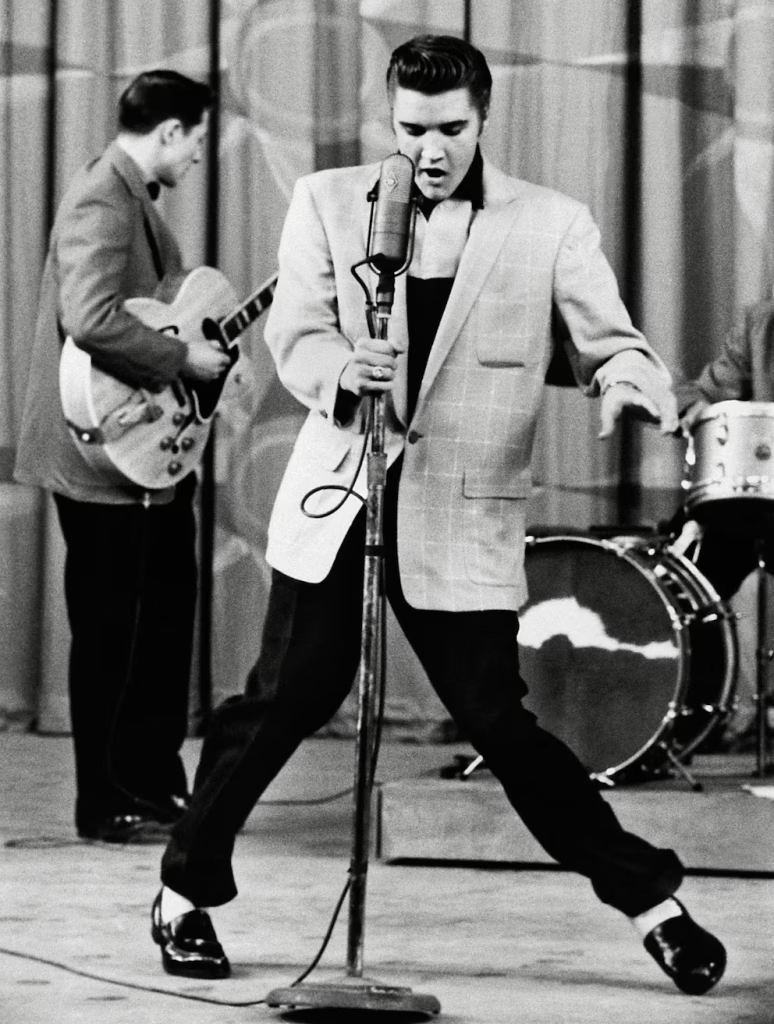
There is also something revealing in the fragility of the moment. By most accounts, Presley’s effort to help direct traffic worked only until onlookers realized who he was. Once recognition took over, practical order gave way to the destabilizing force of fame. That shift matters because it says something essential about Elvis himself. He could borrow the posture of authority, but he could never fully escape the spectacle of being Elvis Presley.
What survives in this story, then, is not just a charming episode from late period Elvis. It is a glimpse into the psychology of a figure who moved constantly between performance and longing, between public excess and private identification with discipline. The crash site became a tiny stage on which he could momentarily act out another self, one built not around applause but around order, rescue, and command. That fantasy lasted only until the crowd returned.
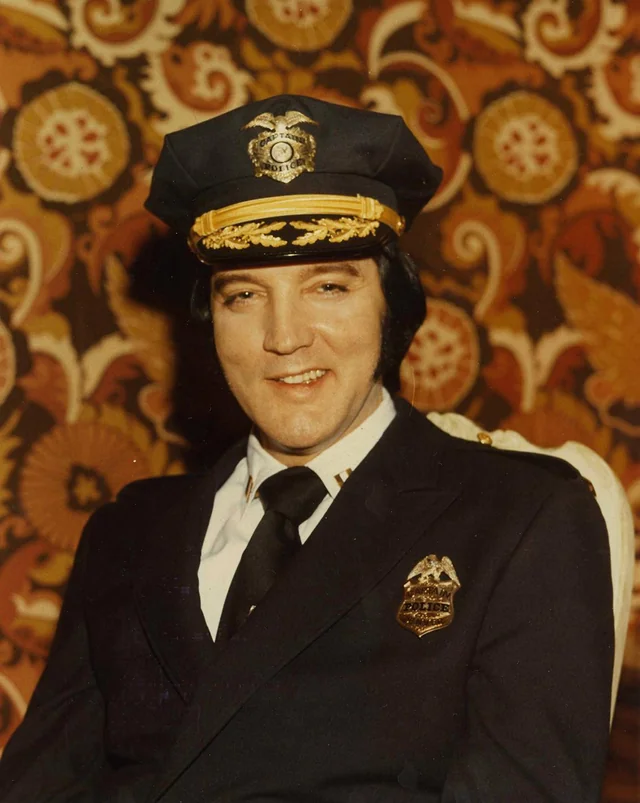
In that sense, the episode is almost too perfect for the Elvis legend. It holds generosity, theater, confusion, and melancholy in the same frame. A superstar steps out of a car, flashes a badge, and tries to help as though he belongs to another institution entirely. Then recognition breaks the spell. What remains is a story in which celebrity did not disappear into civic duty, but revealed how badly it wanted to.
Phoenix24: journalism without borders. / Phoenix24: periodismo sin fronteras.