

 Phoenix 24
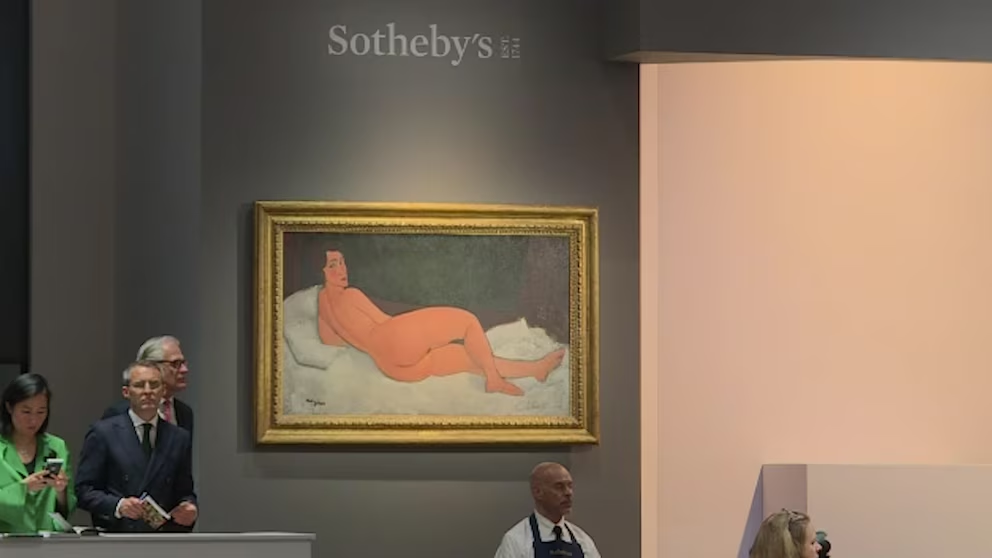
In art, authenticity is often worth more than paint.
Hong Kong, March 2026
The authentication of Jeune femme brune does not simply restore one Modigliani painting to circulation. It restores a contested object to the center of the global art market after decades in which legal disputes, expert disagreement, and uncertainty kept it suspended between value and doubt. What now changes is not only the painting’s status, but its commercial destiny. Once a work by Modigliani is accepted as authentic after years of suspicion, the market does not treat that as a quiet correction. It treats it as an event.
That is why the coming auction matters. The work is reportedly being prepared for sale during Art Basel Hong Kong with an estimate of about 13.3 million dollars, which immediately places it back inside the upper tier of modern art speculation. In practical terms, the painting is no longer being discussed primarily as a problem of attribution. It is being repositioned as a high-value asset with renewed legitimacy. In the art world, that transition from disputed object to saleable masterpiece is one of the most dramatic transformations a work can undergo.
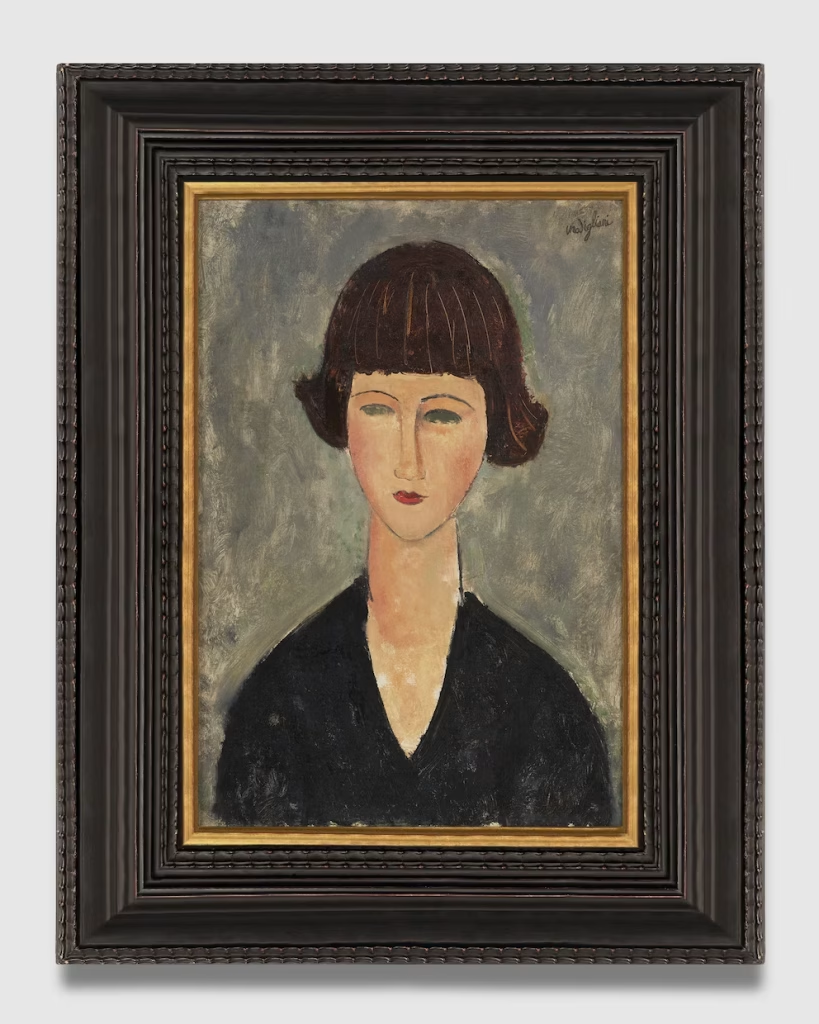
The legal history is what gives the case its real weight. A Modigliani is never just a portrait when questions of authenticity emerge around it. It becomes a battlefield involving scholars, collectors, auction houses, catalogues raisonnés, and the fragile authority of experts whose judgments can add or erase millions in value. That wider context is especially important with Modigliani, an artist whose market has long been shadowed by forgery scandals, attribution wars, and competing systems of validation. In that environment, authentication is not merely scholarly recognition. It is economic resurrection.
What returns here, then, is not just a canvas, but a chain of confidence. Collectors need confidence to bid, auction houses need confidence to present, and the market needs confidence to convert cultural prestige into price. A work that spends years in legal and expert limbo interrupts that chain at every level. Once it is authenticated, the chain reconnects. The painting can travel again, be insured differently, be valued differently, and most importantly be desired differently.
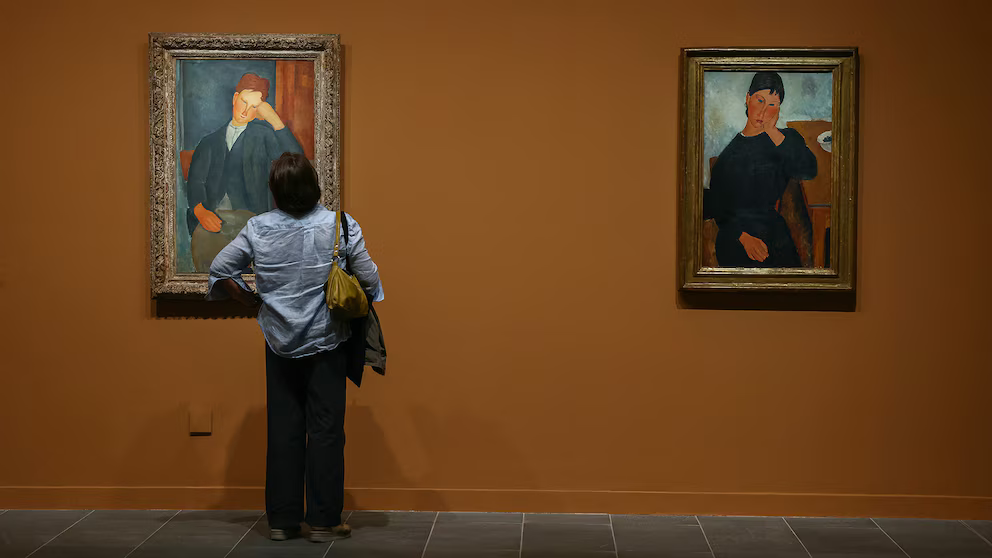
There is also a broader lesson in the timing of this sale. The art market continues to reward names that combine scarcity, myth, and visual recognizability, and Modigliani remains one of the few modern artists who still embodies all three at once. His elongated portraits function not only as works of art, but as instantly legible luxury symbols. When one of those works reenters the market after decades of dispute, the sale becomes larger than an individual transaction. It becomes a referendum on the authority structures that decide what counts as authentic cultural capital.
That is why this story should not be reduced to a comeback tale for one painting. It is a reminder that in the high-end art world, value is produced not only by beauty, provenance, or rarity, but by the successful resolution of doubt. Jeune femme brune now returns not as a passive survivor of controversy, but as proof that the market still knows how to convert uncertainty into spectacle. And when that spectacle belongs to Modigliani, the hammer price is only part of the story. The deeper drama is that a painting once trapped in dispute can suddenly become liquid prestige again.
Detrás de cada dato, hay una intención. Detrás de cada silencio, una estructura.
Behind every datum lies an intention. Behind every silence, a structure.