

 Phoenix 24
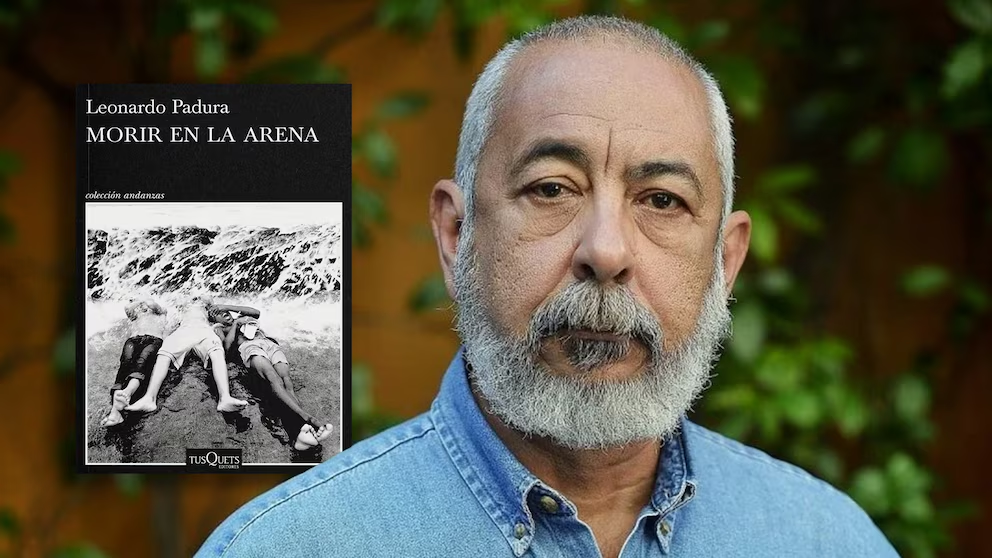
For some writers, honesty is also self-defense.
Havana, March 2026
Leonardo Padura’s latest reflection on Cuba is not a rhetorical flourish designed to decorate an interview. When he says that there is not a single lie about Cuba in his books, he is defining the deepest rule of his literary survival. The phrase matters because it turns writing into something more than style, memory, or national testimony. It turns it into a moral shield against fear.
That idea helps explain why Padura continues to occupy such a singular place in contemporary Spanish-language literature. He is not simply a novelist who writes about Cuba from proximity. He is a writer who has long insisted on preserving complexity without surrendering either to propaganda or to sentimental simplification. In that sense, his work does not seek safety in praise or denunciation alone. It seeks legitimacy in accuracy.
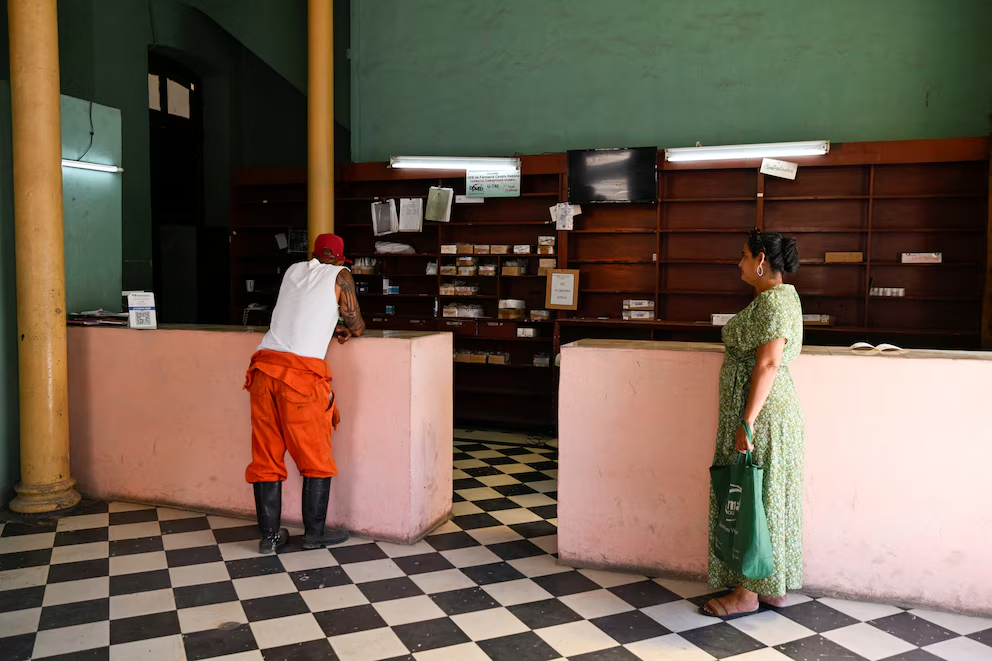
The force of his statement also lies in the word “fear.” Padura is not presenting truth as an abstract ethical principle detached from lived experience. He is presenting it as a way of confronting anxiety, vulnerability, and the weight of inhabiting a country whose political and emotional history cannot be narrated innocently. That changes the meaning of realism in his work. Realism becomes not just a literary method, but a psychological defense against distortion.
This is why his books resist easy classification. Padura has often been read through noir, historical fiction, or political literature, yet none of those labels fully contains what he is doing. His Cuba is never merely a backdrop, and never simply an ideological object. It is a lived structure of contradictions, disappointments, loyalties, fatigue, memory, and damaged hope. To claim that there is no lie in that representation is to claim that literature can still protect reality from both official falsification and external caricature.
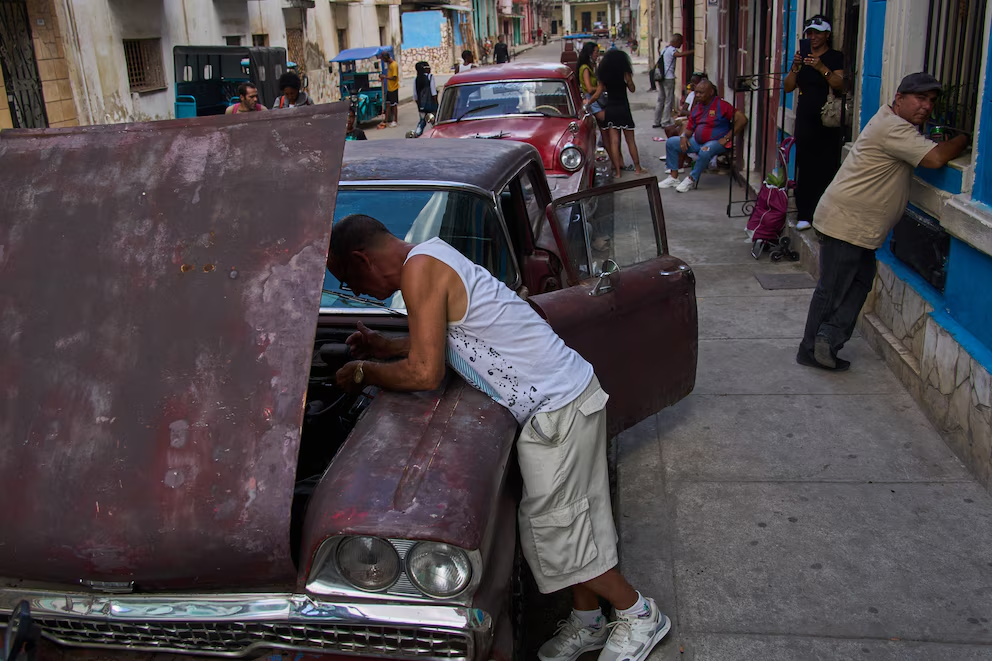
There is also a deeper courage in that posture. In many polarized contexts, writers are pressured to become either instruments of confirmation or symbols of rupture. Padura’s position is harder because it demands fidelity to ambiguity without abandoning moral seriousness. He is not saying his books are neutral. He is saying they are honest.
And honesty, in politically saturated landscapes, is often more dangerous than taking a side that already has a script prepared for you. That is what gives his words their larger significance. The statement is not only about Cuba, but about the responsibility of literature when public language becomes contaminated by fear, performance, or ideological convenience. Padura suggests that the writer’s task is not to sound brave in the abstract, but to remain factually and emotionally faithful enough that the work can withstand pressure from all directions.
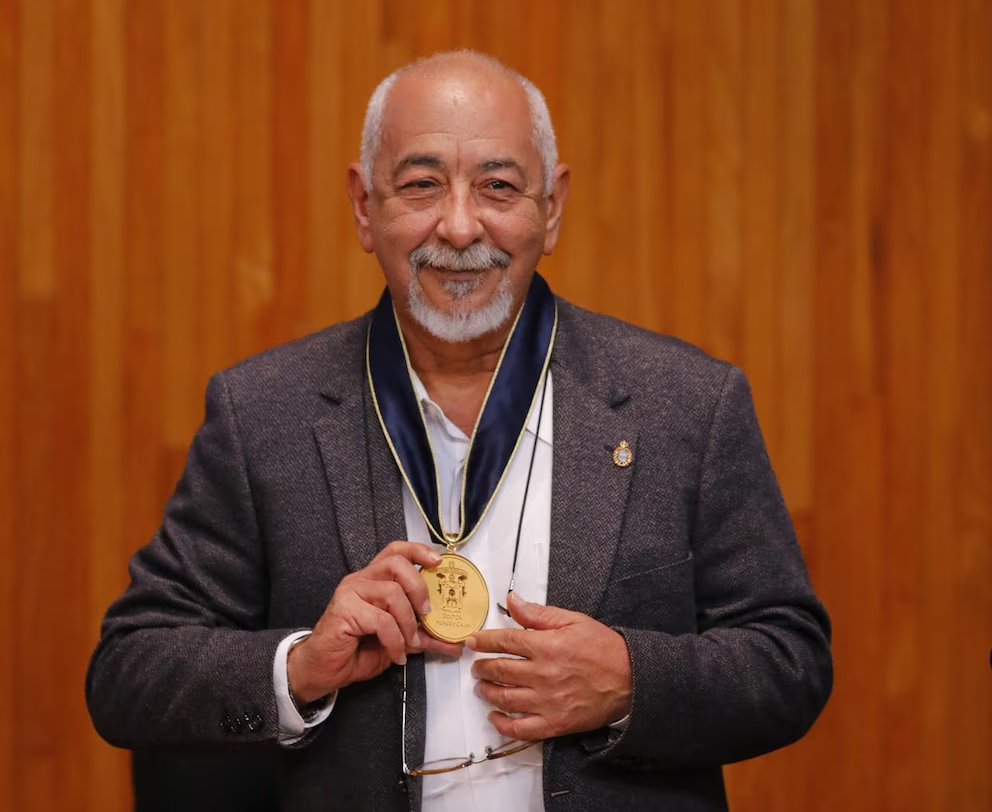
So the real meaning of Padura’s declaration is not that he believes himself incapable of error. It is that he understands fiction as a place where distortion must be resisted with particular rigor, especially when the nation being written is one that generates so many competing myths. His shield is not certainty, but fidelity. And in a literary world crowded with performance, that may be the most durable form of courage left.
Detrás de cada dato, hay una intención. Detrás de cada silencio, una estructura.
Behind every datum lies an intention. Behind every silence, a structure.