

 Phoenix 24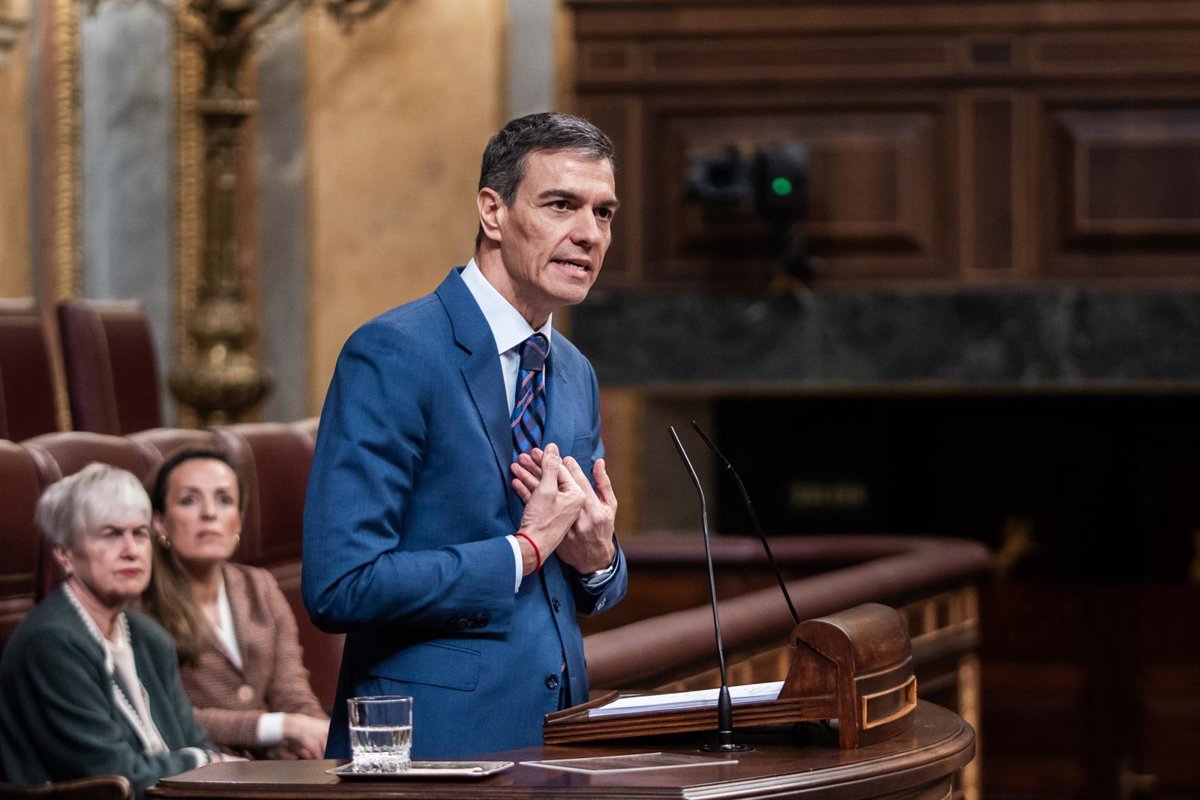
The conflict is no longer seen as distant.
Madrid, March 2026.
Spain’s Prime Minister Pedro Sánchez has raised alarm over the escalating tensions involving Iran, warning that a full scale war could lead to an “absolute disaster” and potentially produce consequences even more severe than the Iraq invasion of 2003. The comparison is deliberate. It evokes a conflict that destabilized an entire region, triggered long term security threats and reshaped global geopolitical dynamics in ways that are still unfolding today.
At the center of Sánchez’s argument is a direct link between war and economic disruption. He emphasized that military escalation in the Middle East does not remain confined to the battlefield, but translates into immediate pressure on energy markets, rising fuel costs and broader inflationary effects that impact households across Europe. In this framing, the war is not a distant geopolitical event. It becomes a direct economic stressor for everyday life.
The reference to Iraq also carries a strategic warning. That intervention, widely criticized in hindsight, failed to produce lasting stability and instead generated new cycles of violence, displacement and radicalization. By invoking that precedent, Sánchez is questioning whether a similar approach toward Iran could repeat the same pattern, this time in an even more fragile and interconnected global environment.
One of his most striking points was the idea that replacing leadership does not necessarily transform the underlying structure of conflict. The suggestion that a military campaign might change figures in power without altering systemic tensions introduces a deeper skepticism about the effectiveness of force as a solution. In that sense, the warning is not only about destruction, but about the absence of a clear and sustainable political outcome.
The broader context reinforces the urgency of the message. Europe remains exposed to energy volatility and supply chain fragility, meaning that any escalation in the Middle East could have rapid and widespread consequences. The risk is not only military expansion, but economic contagion, where instability in one region reverberates through global markets and domestic conditions.
What Sánchez is articulating is a shift in perspective. The debate is no longer solely about strategic positioning or alliances. It is about the real cost of escalation in a world where geopolitical conflict and economic stability are tightly interconnected. In that environment, preventing war becomes not only a diplomatic objective, but a form of economic defense.
The underlying question is no longer whether such a war could be initiated, but whether its consequences could be contained. And in the current global landscape, that containment appears increasingly uncertain.
Geopolitics, unmasked. / Geopolítica, sin maquillaje.