

 Phoenix 24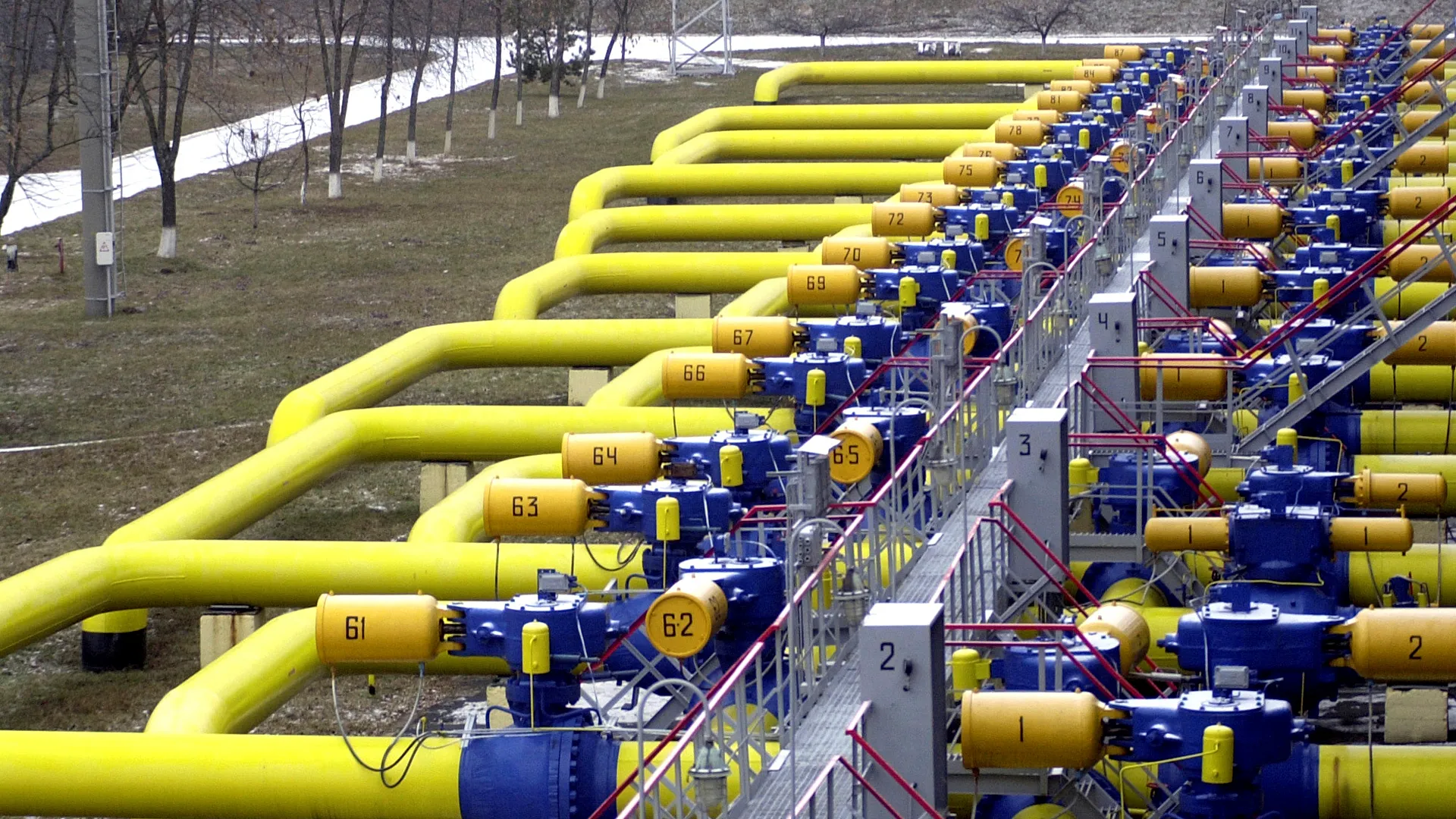
Energy pressure now doubles as electoral theater.
Budapest, March 2026.
Hungary has announced that it will gradually curb natural gas exports to Ukraine until oil shipments through the Druzhba pipeline resume, escalating an energy dispute that now extends beyond infrastructure and into the political core of Europe’s wartime dynamics. Prime Minister Viktor Orbán framed the decision as retaliation against what his government describes as a continued disruption of Russian oil flows, while Ukraine maintains that the issue stems from earlier damage and ongoing technical constraints.
The move matters because Hungary is not simply adjusting commercial volumes. It is using an energy corridor as a geopolitical instrument at a moment when Ukraine still depends on imports from neighboring states to stabilize its supply. Even a gradual reduction introduces pressure into a system already shaped by war, volatility and infrastructure vulnerability.
Orbán’s calculation appears to reach beyond energy. The gas decision aligns with a broader pattern in which Hungary has taken a more confrontational stance toward European support for Ukraine, including resistance to financial assistance packages and sanctions frameworks. In this context, the Druzhba dispute becomes part of a wider strategy, where energy leverage is used to influence both regional dynamics and internal European negotiations.
The timing is also politically significant. The announcement arrives amid a tense domestic environment, where Orbán has intensified rhetoric around sovereignty and national interest. By framing the dispute with Ukraine in these terms, the Hungarian government transforms a technical and logistical issue into a narrative of political resistance, one that resonates internally even if it generates friction with European partners.
Ukraine, for its part, is navigating the situation carefully. Officials have indicated that gas flows have not yet fully stopped and have suggested that a complete cutoff would also carry economic consequences for Hungary. This reflects a broader wartime logic, where both sides seek to avoid appearing vulnerable while managing interdependence that cannot be entirely severed.
What emerges is a broader European pattern. The war has not only militarized borders and defense budgets. It has turned energy systems into instruments of political signaling. Pipelines, transit routes and supply contracts now operate as tools of pressure as much as mechanisms of exchange.
This is why the dispute resonates beyond Budapest and Kyiv. It is not only about gas. It is about how far internal divisions within Europe can stretch under the strain of conflict. Hungary’s decision raises a deeper question about cohesion: whether a member of the European Union can openly leverage energy dependence in pursuit of national strategy while the continent is still managing the systemic consequences of war.
In that sense, the Druzhba dispute is no longer a technical disagreement. It is a reflection of how energy, politics and conflict have become inseparable in the current European landscape.
Phoenix24: claridad en la zona gris. / Phoenix24: clarity in the grey zone.