

 Phoenix 24
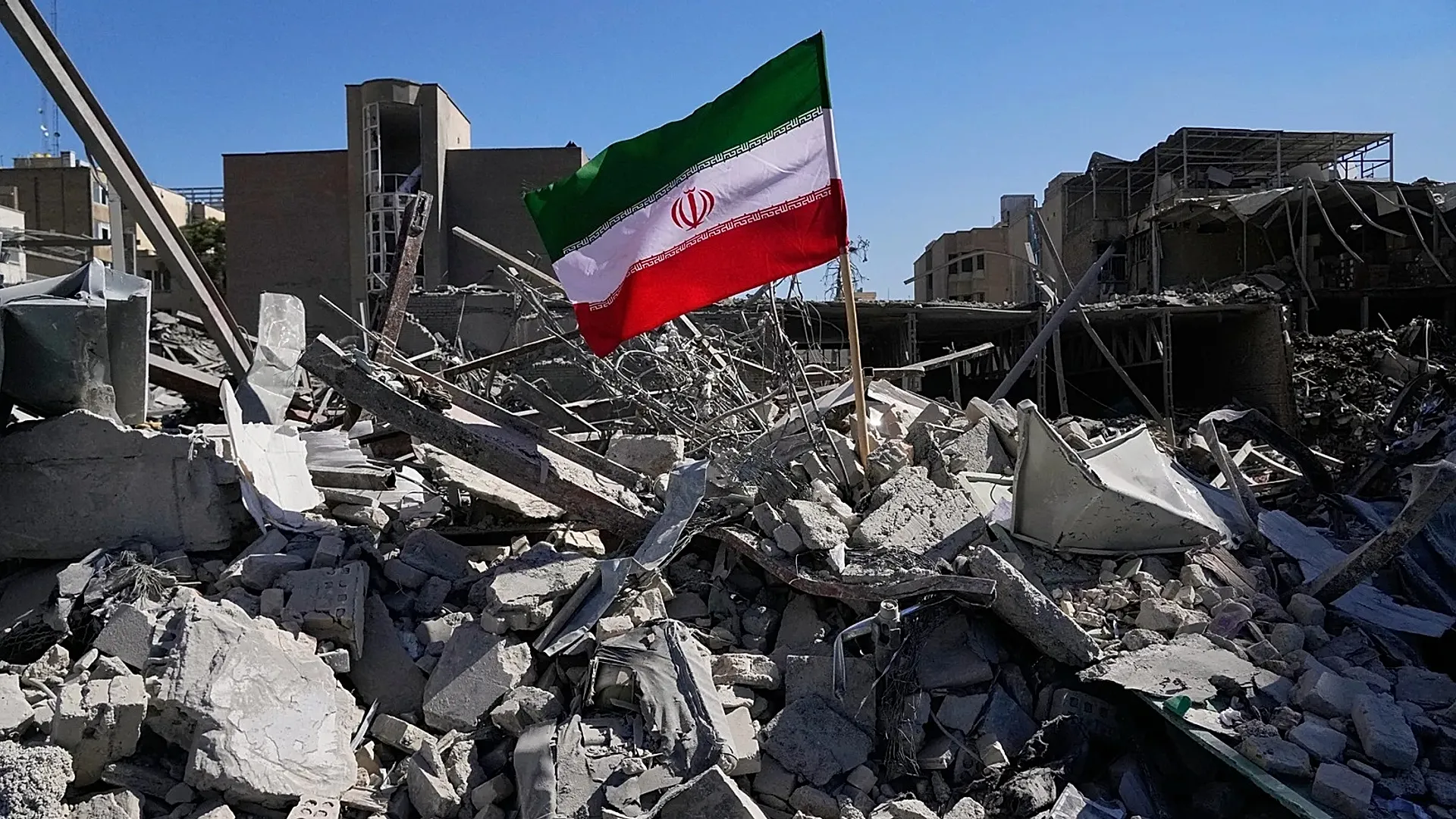
Wars are often launched at the intersection of capability and political window.
Brussels, March 2026
The question of why Israel is attacking Iran now cannot be answered only through battlefield logic or official statements about security threats. The timing reflects a convergence of military opportunity, political calculation, alliance dynamics, and deterrence signaling under conditions of rapid escalation. The Euronews framing is useful because it places the offensive not just inside the Israel Iran confrontation itself, but within a wider dispute over legitimacy, Western support, and the operational role of European partners such as Spain.
At the most immediate level, Israel’s current offensive is being presented by Israeli officials as a preventive and strategic campaign rather than a symbolic reprisal. That distinction matters. A state does not move into a wider operation of this scale only to send a message. It does so when it believes delay could worsen the threat environment, reduce the effectiveness of a strike window, or allow the adversary to restore defenses and dispersal capacity. In practical terms, the timing suggests that Israeli decision makers judged the cost of waiting to be rising faster than the cost of escalation, even if the regional and diplomatic fallout would be severe.
There is also a political timing component that cannot be separated from the military one. Large operations are rarely launched in a vacuum of domestic and international signaling. Once the United States entered the picture more directly and the conflict widened, the campaign ceased to be a strictly bilateral military matter and became a coalition management problem. In that setting, Israel’s offensive posture serves two functions at once: it seeks to degrade Iranian capabilities while also shaping the diplomatic tempo, forcing allies and reluctant partners to respond to facts on the ground rather than to hypothetical scenarios.
This is where Spain becomes structurally relevant. Spain’s refusal to authorize the use of U.S. bases on its territory for operations linked to strikes on Iran has turned what might have remained a military logistics issue into a transatlantic political fault line. Madrid has defended its position through the language of international law, de escalation, and sovereign decision making, while critics frame the refusal as a failure of alliance solidarity during a crisis. The disagreement is not marginal. In wartime conditions, basing permissions and access routes are part of the operational architecture of power, and denial by an ally converts geography into leverage.
The Spanish role matters for another reason as well. It exposes the limits of the idea that Western alliances act as a single bloc under stress. European governments may share concern over regional instability and condemn retaliatory escalation, yet they do not necessarily align on the legality, sequencing, or strategic prudence of military intervention. That gap has been visible in recent statements from European officials and in the public friction between Spanish and Israeli narratives. What looks from one capital like restraint may look from another like obstruction. In moments of war, those differences are not rhetorical. They affect timelines, routes, and the credibility of coalition messaging.
Euronews and related coverage have also highlighted how the Israeli side is framing the operation within a broader argument about long term regional security and pressure on the Iranian regime. That framing is important because it stretches the justification beyond immediate retaliation and into strategic reshaping. Once a campaign is presented in those terms, the question of timing is no longer only “why now” in military terms, but also “why now” in political sequencing. The answer appears to be that current decision makers believe the regional order is already unstable enough that a delay would not restore equilibrium, and might instead narrow their options.
At the same time, this logic carries obvious risks. Offensive timing that looks rational from a deterrence perspective can still be destabilizing at the systems level. Energy routes, shipping insurance, airspace security, and diplomatic relations with European states are all being affected in parallel. That means the offensive is not unfolding in a contained military theater. It is propagating through markets, alliance politics, and legal arguments, which increases the probability that the strategic narrative of necessity will collide with the political narrative of overreach. The role of Spain is a clear example of that collision becoming visible.
For Phoenix24, the key pattern is that the “why now” question is not answered by a single trigger. It is answered by overlap. Israel appears to be acting at a moment when it sees a military window, a deterrence imperative, and a political opportunity to force alignment from allies or expose their refusal. Spain’s position, in turn, reveals that Europe is not simply a supporting stage in this conflict, but an active arena where legality, sovereignty, and alliance expectations are being renegotiated under pressure. In that sense, the offensive against Iran is not only a Middle East war story. It is also a test of how far Western coordination holds when strategic urgency collides with democratic and legal restraint.
Geopolitics, unmasked. / Geopolitics, unmasked.