

 Phoenix 24
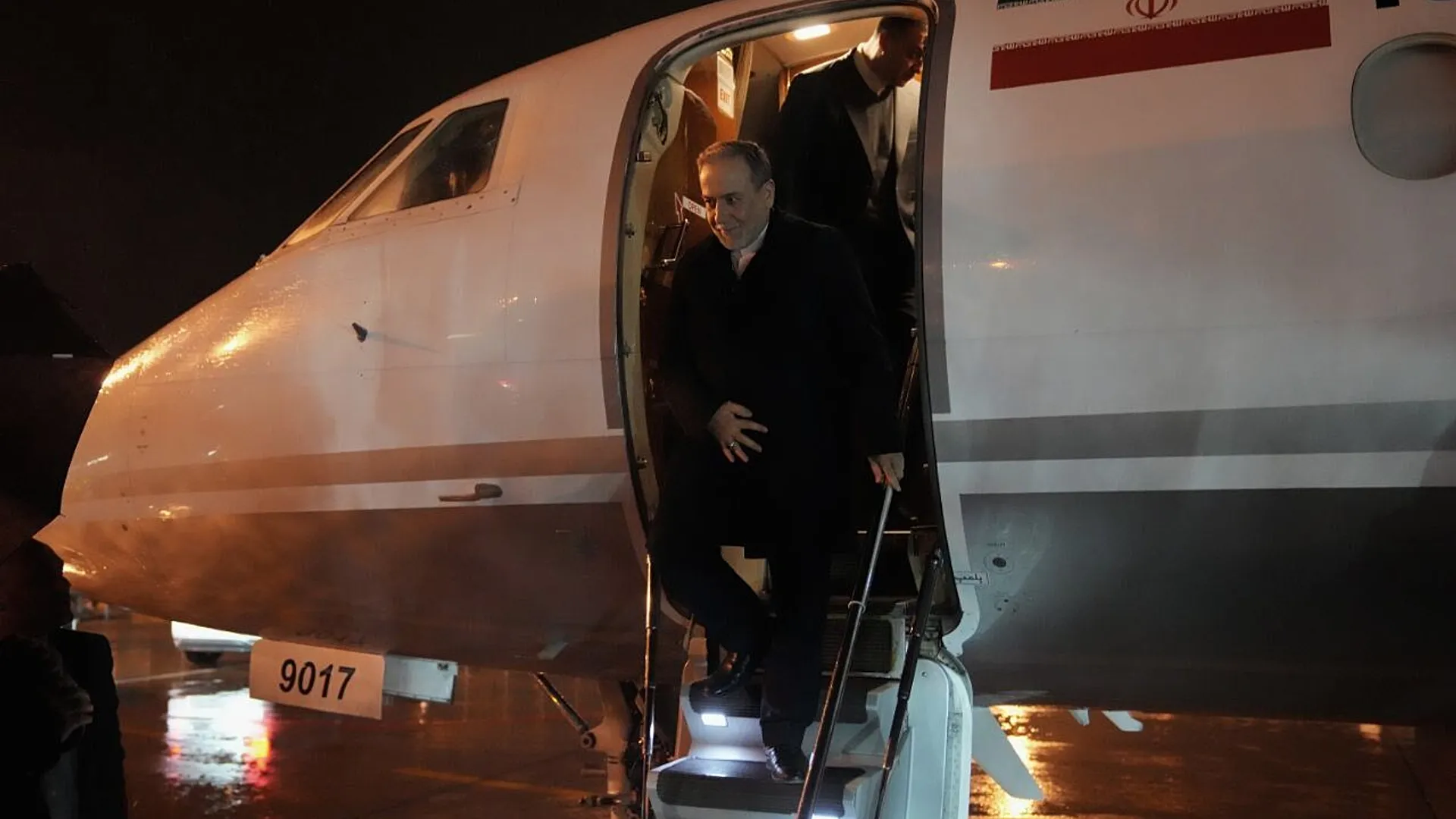
Trust is the missing ingredient in Geneva.
Geneva, February 2026.
A second round of indirect United States and Iran talks is restarting in Geneva under Omani mediation, and the tone is defined less by diplomatic language than by the shared assumption that the other side is bargaining in bad faith. Both governments are signaling limited openness to dialogue, yet their public demands remain positioned as non negotiable, which turns the meeting into a contest over framing rather than a fast track to compromise. The first round in Muscat established process, not convergence, and Geneva now functions as a stress test of whether process can survive political hostility. When diplomacy is rebuilt on distrust, every procedural detail becomes a proxy for power.
The agenda center is Iran’s nuclear program, but the dispute is really about scope and sequencing, meaning what is negotiable, in what order, and under which verification regime. Washington has pushed for talks that extend beyond nuclear issues toward missiles and regional activity, while Tehran has insisted negotiations remain narrowly focused on nuclear constraints in exchange for sanctions relief. That clash matters because it sets the bargaining frontier, and a frontier determines whether either side can present a deal as security rather than surrender. In this posture, even the definition of compliance becomes contested, because each side expects the other to bank concessions and delay delivery.
Verification is where the abstract becomes concrete, and the International Atomic Energy Agency sits at the center of that pressure. Iran’s foreign minister has indicated he will meet the IAEA director for technical discussions ahead of the Geneva round, a signal that Tehran wants to manage the inspection narrative as much as the enrichment narrative. The IAEA has been seeking clarity on Iran’s stock of enriched uranium and access to key sites that have been struck, while Iran has argued those locations are unsafe and has criticized the watchdog’s posture in the wake of the attacks. In any renewed framework, inspectors are not a side issue, they are the mechanism that converts promises into enforceable reality.
Military signaling is hovering over the talks, and it is not subtle. Regional deployments and public threats raise the cost of concession for both capitals, because leaders risk looking weak if they negotiate under visible pressure. Iran has conducted naval drills in the Strait of Hormuz as tensions rise, underscoring its ability to threaten a global energy chokepoint while talks continue. This is the dual track logic that defines many high risk negotiations, diplomacy in one channel, coercive reminders in the other, each designed to shape the other side’s perception of time and vulnerability. When deterrence is loud, diplomacy tends to move slower, not faster.
Energy markets are treating the Geneva meeting as a volatility switch, not a calendar event. Oil prices have moved on expectations that range from renewed constraints and confrontation to incremental easing that could affect supply assumptions. Traders and analysts are effectively pricing probabilities rather than outcomes, because the talks can shift risk perception even if they produce only procedural progress. Markets do not wait for signatures, they move on credible signals.
The structural obstacle is domestic politics on both sides, because any agreement now carries heavier symbolic costs than in earlier cycles. In Washington, expanding the scope to missiles and regional behavior supports a narrative that treats the nuclear file as only one node in a larger confrontation. In Tehran, narrowing the scope to nuclear and sanctions relief protects a sovereignty narrative that rejects bargaining over deterrence capabilities, especially under external pressure. Without a credible sequencing model, mistrust becomes self fulfilling, because each side expects the other to pocket gains while delaying reciprocal delivery.
What happens in Geneva is less a single negotiation than a contest over who defines the rules of re entry into a constrained relationship. If the talks produce only a mechanism for continued dialogue, both sides may still claim success, Washington by portraying pressure as effective, Tehran by portraying resilience as rewarded. If the talks fail publicly, both can also claim vindication, Washington by arguing Tehran is irredeemable, Tehran by arguing Washington is maximalist, and the region absorbs the consequences. The most realistic near term outcome is incrementalism, narrow technical steps paired with political ambiguity, because that is the only structure that can survive high distrust while buying time. Geneva is not where trust is restored, it is where escalation is either postponed or accelerated.
Contra la propaganda, memoria. / Against propaganda, memory.