

 Phoenix 24
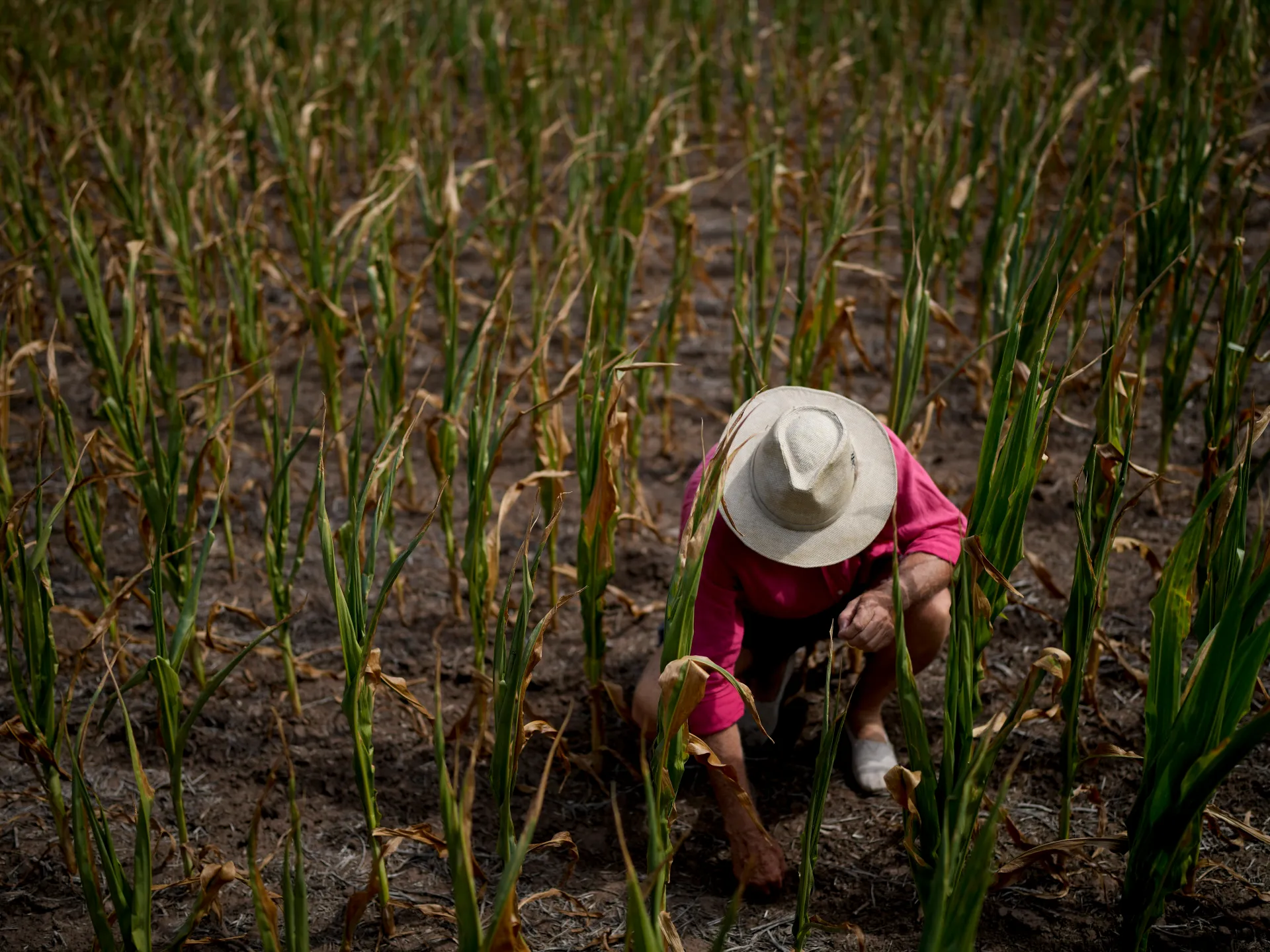
Hunger is becoming a geopolitical pressure system.
Rome, February 2026.
The world is discovering that climate risk is no longer a background variable and food is no longer a purely economic commodity. Together, they are becoming a governance test that separates states that can absorb shocks from states that fracture under them. The defining feature of this moment is not a single famine headline or a single weather anomaly, but the way multiple stressors stack and compound: heat, drought, floods, conflict, logistics disruptions, and price volatility arriving in the same calendar year. When that stacking becomes normal, leadership stops being rhetoric and becomes capacity.
Food insecurity has always existed, but the current pattern looks different because it is increasingly systemic rather than episodic. According to the World Food Programme, the world continues to face severe hunger emergencies driven by the overlap of conflict and climate stress, with supply chains and local purchasing power breaking at the same time. The Food and Agriculture Organization has repeatedly warned that climate variability is reshaping production stability and pushing more households into vulnerability, especially where imports dominate and currencies are weak. This is not only about harvesting less. It is about reducing predictability, and predictability is what governments trade on when they promise stability.
The climate driver is no longer controversial in its direction, only in the speed and distribution of pain. The Intergovernmental Panel on Climate Change has outlined how warming increases the intensity and frequency of extremes that directly hit food systems: droughts that shrink yields, floods that destroy infrastructure, and heat that reduces labor productivity across the agricultural chain. Heat does not merely threaten crops; it threatens the human throughput of the system, from planting to transport to processing. Once productivity drops while costs rise, prices become political. At that stage, food becomes a trigger for instability rather than a symptom of it.
This is where leadership is being forced into a new definition. The old model of global leadership relied on surplus, shipping lanes, reserve currencies, and the ability to stabilize markets through finance and trade. Now, leadership is judged by whether a country can keep food affordable, maintain strategic reserves, protect water and energy inputs, and prevent misinformation from turning scarcity into panic. The World Bank has framed food price spikes and supply disruptions as a development and stability risk, with downstream consequences for poverty, social cohesion, and state legitimacy. In a world already saturated with distrust, even moderate shortages can create outsized political aftershocks.
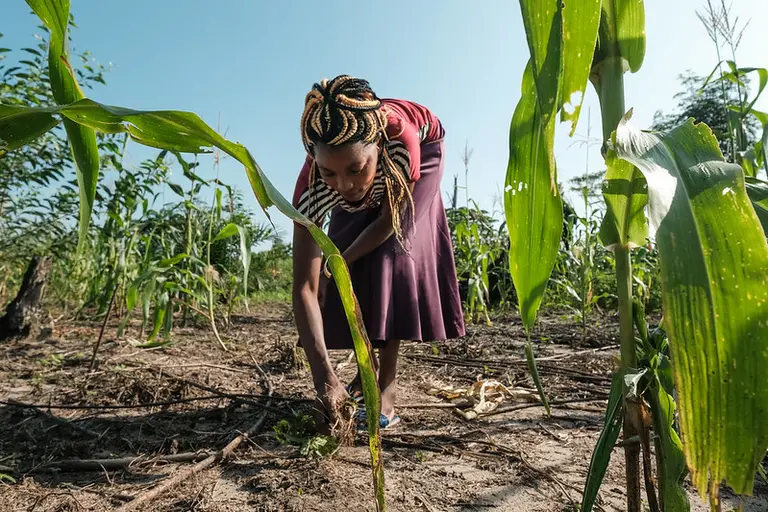
A second structural shift is that climate and food stress are colliding with the politics of borders. When food becomes scarce or unaffordable, people move, first within countries and then across them. That movement is rarely labeled “food migration” in policy debates, but the pattern is well understood in humanitarian operations. When livelihoods collapse in rural areas, urban pressure rises, and states either absorb that pressure or externalize it. This reconfigures diplomacy because receiving states respond with deterrence measures, while sending states face legitimacy crises. The result is a cycle where insecurity spreads outward, even when the original trigger was local weather.
The third shift is industrial and financial. Food systems depend on fertilizer, diesel, shipping insurance, and stable credit. When geopolitical tensions disrupt energy markets or sanction regimes reshape trade routes, food costs respond quickly. The International Monetary Fund has highlighted how commodity price volatility and climate-related shocks complicate macroeconomic stability, particularly for import-dependent economies. When governments spend more to keep food affordable, they often weaken fiscal positions, which raises borrowing costs, which then reduces the ability to invest in resilience. That loop is how food stress becomes a sovereign risk story, not merely a humanitarian story.
The global distribution of vulnerability also complicates the credibility of leadership claims. In parts of Africa, repeated drought and conflict pressures have already stretched humanitarian capacity, while debt burdens limit policy options. In South Asia, heat and water stress threaten both yields and labor conditions, making seasonal disruption more likely. In Europe, extremes are increasingly visible in agriculture and river transport, reminding advanced economies that resilience is not guaranteed by GDP. In the Americas, climate-linked variability in key producing regions can ripple into global markets, with knock-on effects for importers. No region is immune; the difference is whether institutions can translate early warning into action.
What makes the moment politically dangerous is that food stress is highly susceptible to information warfare. Rumors of shortages can trigger runs that create real shortages. Claims about hoarding can inflame distrust between social groups. False narratives about foreign sabotage can justify crackdowns. This is why governance matters as much as yield. Effective systems communicate clearly, publish credible inventories, enforce anti-corruption controls, and coordinate with private logistics operators without pretending the state can command everything. When communication fails, scarcity becomes a story people fill in themselves, and those stories are easy to weaponize.
Global leadership is therefore being tested on two fronts at once. One is operational, the ability to stabilize domestic food access while investing in climate adaptation such as water efficiency, heat-resilient crops, and improved storage. The other is diplomatic, the ability to reduce incentives for export restrictions, keep trade channels open, and coordinate crisis response in a way that does not punish the most vulnerable. When states turn inward through export bans and opaque stockpiling, they protect their short term politics and undermine the global system, accelerating the next shock. This is why climate and food pressure does not just challenge individual governments; it challenges the architecture of cooperation.
The uncomfortable conclusion is that the climate-food nexus is exposing a gap between power and performance. A country can be militarily strong and still lose legitimacy if its citizens cannot afford basic staples. A country can be economically sophisticated and still fail if it cannot manage water stress and supply chain fragility. In this environment, “leadership” looks less like speeches and more like boring competence: resilient infrastructure, transparent reserves, credible safety nets, and adaptive institutions. Those who can do that will shape the next era’s authority. Those who cannot will discover that hunger is not only a tragedy, it is leverage.
Información que anticipa futuros. / Information that anticipates futures.