

 Phoenix 24
Strong bones are built in quiet routines.
Boston, February 2026.
Bone health is often discussed like a warning that begins in old age, but the real story starts much earlier and moves in phases. Your skeleton is a living reservoir that is constantly being rebuilt, and the pace of that remodeling changes across childhood, adolescence, adulthood, and later life. The goal is not to chase a single “perfect” food or supplement, but to keep calcium intake steady while protecting the biological conditions that let calcium become bone. When those conditions fail, even high calcium diets can underperform, and the body compensates by drawing minerals from its own structure.
The first phase is accumulation, and it belongs to childhood and adolescence. Peak bone mass is largely set by early adulthood, which means nutrition and activity in the teen years can determine how much structural reserve a person carries into their forties and fifties. In practical terms, this is when consistency matters more than optimization. A young person who regularly consumes calcium-rich foods and does weight-bearing activity is building “insurance” against later losses that are difficult to reverse. The hidden risk is that modern dietary patterns can deliver calories without delivering minerals, especially when meals are built around ultra-processed staples.

In adulthood, the objective shifts from accumulation to maintenance. Many people assume bone loss is inevitable, yet a large share of decline is modifiable through stable intake, resistance training, and avoiding behaviors that quietly increase mineral loss. Protein adequacy, for example, is not the enemy of bone, it is part of the scaffolding that supports remodeling when paired with enough calcium. The same is true for sleep and stress, which influence hormones that regulate bone turnover. Bone maintenance is not a single intervention, it is a systems problem, and systems are managed through repeatable habits.
Pregnancy and lactation add another layer of pressure because calcium demand increases and the body prioritizes fetal and infant needs. This does not automatically mean the mother’s bones will permanently weaken, but it does mean intake and vitamin D status matter more. The body can temporarily mobilize calcium from bone to meet short-term needs, then rebuild later, but that rebuilding is not guaranteed if diet quality is low or if the postpartum period is nutritionally chaotic. In this stage, the most protective move is not extreme restriction or perfectionism, it is routine, reliable calcium foods that are easy to sustain during a demanding period.
Later adulthood, especially after menopause, is where the structural stakes become visible. Hormonal shifts can accelerate bone resorption, and the margin for inconsistent nutrition shrinks. This is also when falls, not only bone density, define outcomes. Strength training, balance work, and adequate protein become as important as calcium because preventing a fall can matter more than adding a small amount of density. The objective is a stable frame with resilient movement, not a number on a scan in isolation.
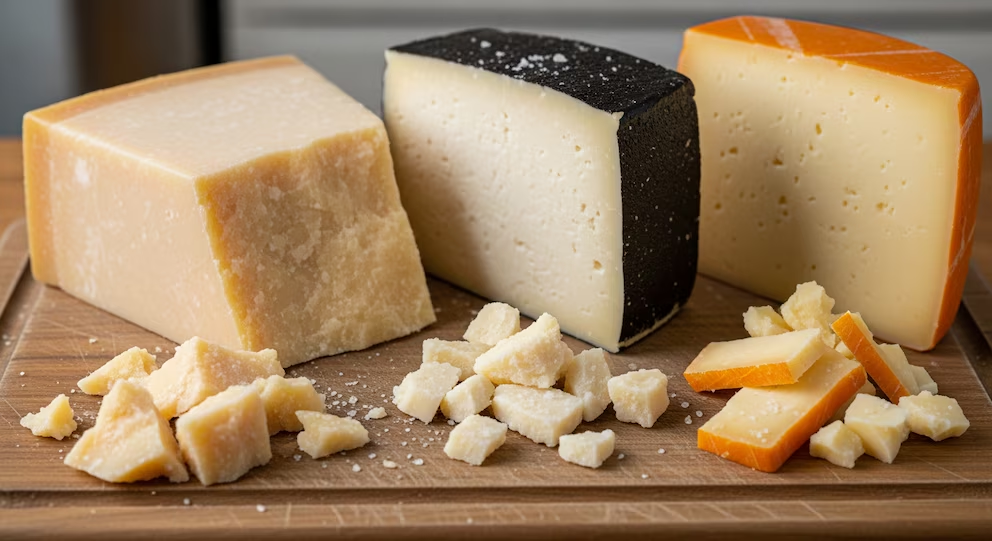
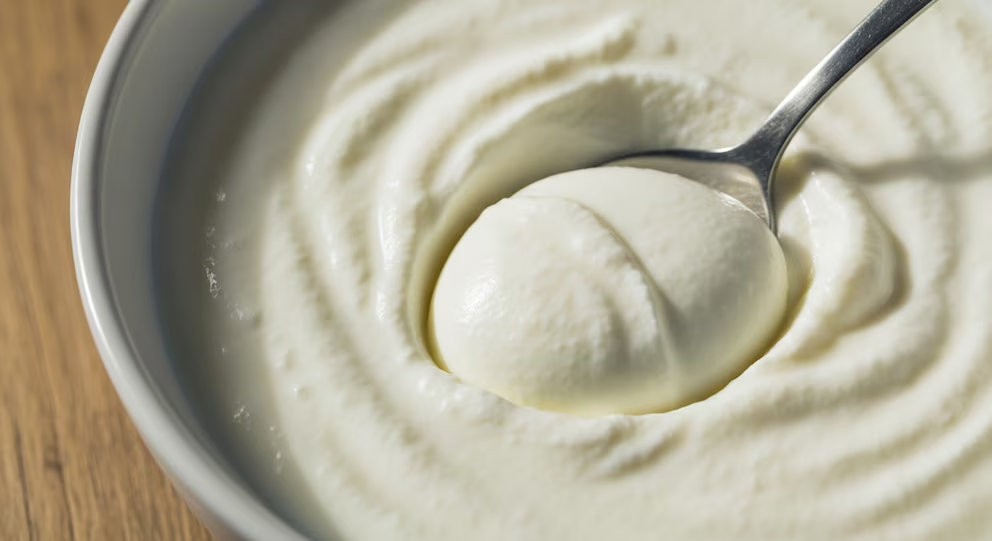
Across all stages, seven calcium-dense foods tend to outperform the rest because they combine high calcium with accessibility and real-world adherence. Milk remains one of the most efficient carriers because it delivers calcium with protein and is easy to integrate into breakfast or evening routines. Yogurt is similarly powerful and can be easier on digestion for some people while adding protein that supports musculoskeletal health. Hard cheeses, especially aged varieties, concentrate calcium in small servings, which helps people who do not tolerate large volumes of dairy.
For non-dairy pathways, calcium-set tofu is one of the most practical options because it can carry substantial calcium while also providing protein. The key is that not all tofu is made the same way, so the calcium content depends on how it was set, which is why label awareness matters. Canned sardines or salmon with the bones included are a high-impact choice because the edible bones are calcium-rich and the fish also provides vitamin D and protein. This is a classic example of density, a small portion can meaningfully move daily intake without requiring large meal changes.
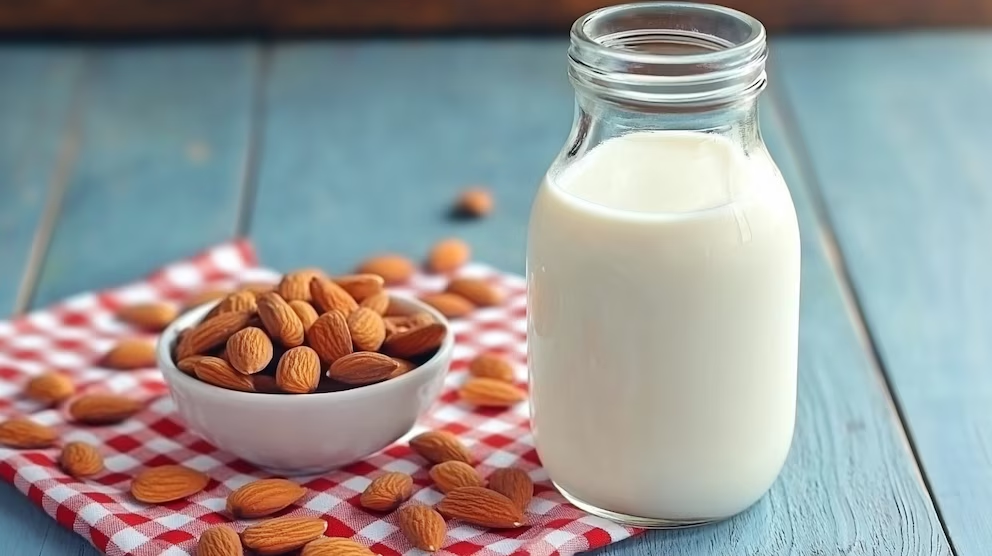
Seeds matter more than most people think, especially sesame in the form of tahini, which can add calcium in sauces, spreads, and dressings without feeling like a supplement. Fortified plant milks can also be effective for those avoiding dairy, provided the product is fortified and shaken well, since calcium can settle. These options work best when they are treated as daily staples rather than occasional substitutes. Bone health favors repetition over bursts of enthusiasm.
There are also common mistakes that undermine these foods. High sodium patterns can increase calcium excretion, turning a good diet into a leaky bucket. Excess alcohol and smoking are well-known risks, but even moderate patterns can compound over time when combined with low activity. Caffeine is not the villain people imagine, yet very high intake can be problematic when it displaces meals or contributes to overall undernutrition. The point is not to moralize habits, it is to remove the silent drains that reduce the return on nutrition.
Calcium is only one component of the bone equation. Vitamin D is the gatekeeper for absorption, magnesium supports metabolic pathways, and vitamin K is involved in bone protein activation. Sun exposure, when safe and reasonable, can help maintain vitamin D, but many people still need diet planning or clinical guidance to maintain adequate status. Weight-bearing movement is the other non-negotiable, because bones respond to load. Walking helps, but resistance training and impact-tolerant activity are often more effective at signaling bones to stay dense.
The practical strategy is to choose two or three of the seven calcium foods that fit your life, then standardize them. Make one a breakfast anchor, one a lunch or dinner ingredient, and one a flexible snack or add-on. This reduces decision fatigue and makes calcium intake automatic instead of aspirational. The most durable health routines are the ones that survive busy weeks, travel, and mood swings, and bone health is an outcome of durability.
Detrás de cada dato, la intención. / Behind every data point, the intention.