

 Phoenix 24
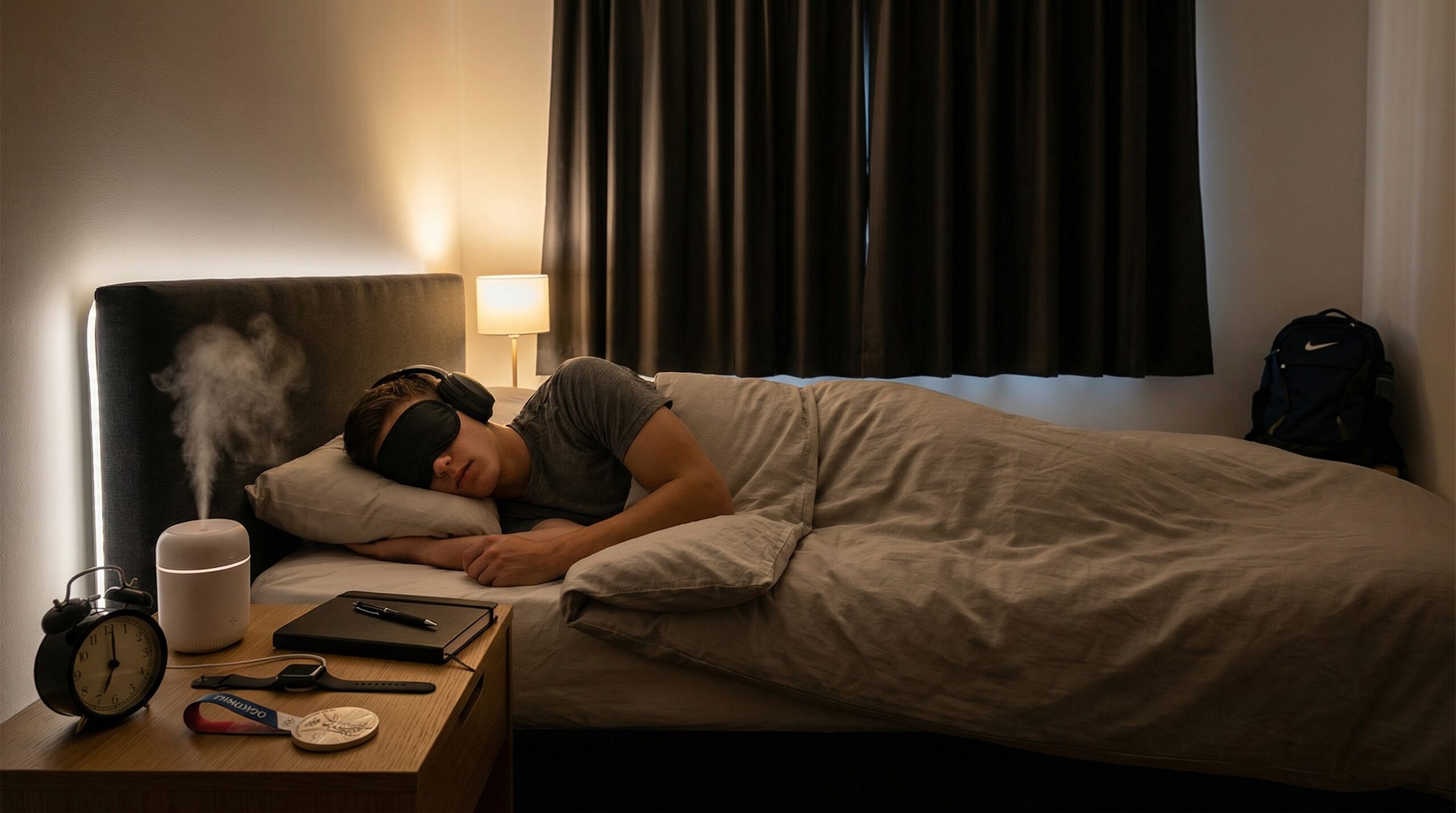
Recovery is trained, not wished into place.
Lausanne, February 2026.
Elite athletes do not sleep well because they are calm, they sleep well because they treat rest like a controllable system. Winter Olympians, in particular, operate under conditions that destroy sleep: high training loads, adrenaline spikes, travel, altitude shifts, and the psychological weight of single run outcomes. Yet many still build routines that protect recovery, because performance is not only muscle, it is nervous system stability. The lesson for non athletes is not to copy a champion’s bedtime to feel disciplined. The lesson is to copy the logic, reduce variability, remove friction, and make sleep easier to start and easier to maintain.
The first habit is relentless consistency, especially in wake time. Many athletes aim to get up at roughly the same hour even when bedtime drifts, because the morning anchor stabilizes the circadian clock faster than trying to force sleep early. The American Academy of Sleep Medicine has long emphasized regularity as a core driver of sleep quality, and athletes treat it as non negotiable because it lowers the chance of a bad night turning into a bad week. This matters when life becomes irregular, late work, family noise, social obligations, because consistency acts like a shock absorber. A stable wake time also makes the next night more predictable, which is what most people actually need.
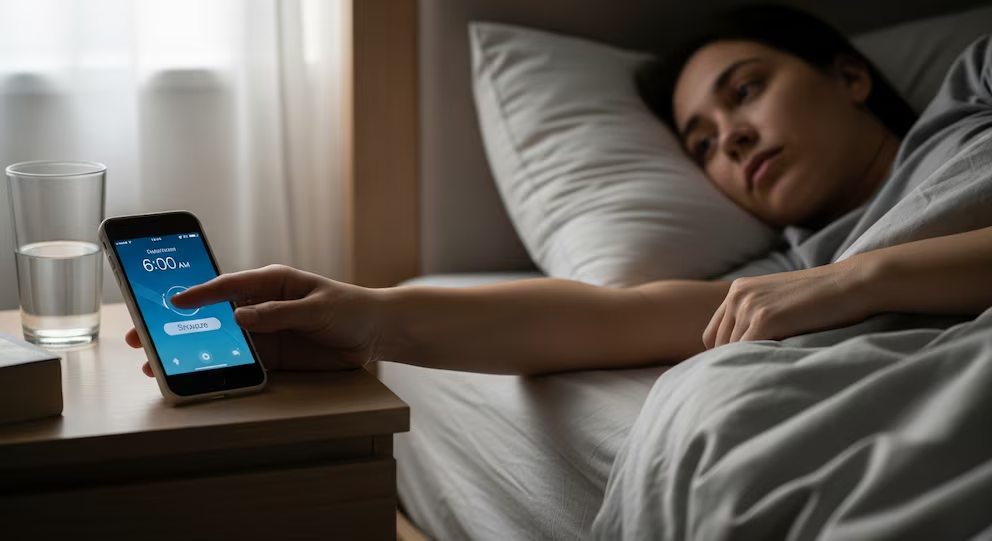
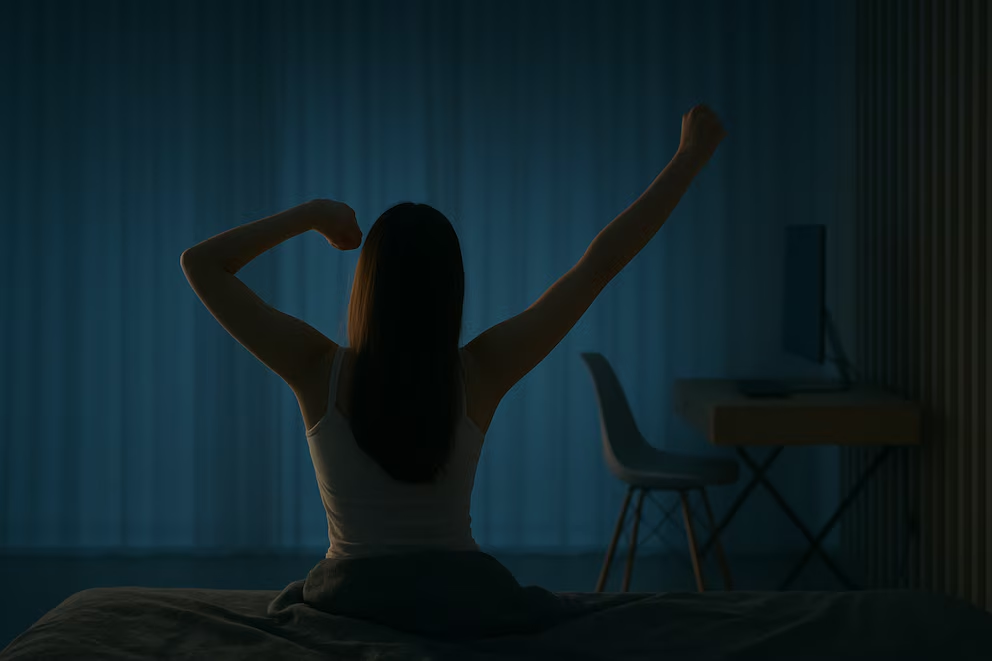
The second habit is light management, which sounds simple until you do it consistently. Athletes and sleep clinicians often push for bright natural light soon after waking, because light is the strongest signal the brain uses to set its internal clock. The World Health Organization has repeatedly framed sleep as a health foundation, and light exposure is one of the few interventions that works without a supplement, a gadget, or a complicated program. In practice, it means stepping outside for a brief walk, opening curtains early, or at least avoiding a dim indoor morning that tells your body it is still night. Later, it means dimming the evening environment so your brain is not being instructed to stay alert.
The third habit is a protected wind down that is treated like part of training, not like optional self care. Athletes build a pre sleep buffer that reduces stimulation, lowers body temperature gradually, and makes the transition to bed feel inevitable. That buffer can include a warm shower, reading, quiet stretching, journaling, or slow breathing, but the core feature is the same: it is boring on purpose. The point is to stop feeding the brain new problems and new images right before sleep. When people say they cannot turn their mind off, what they often mean is that they never gave it a ramp down period.
The fourth habit is controlling inputs that quietly sabotage sleep quality, especially caffeine timing and alcohol myths. Many athletes are strict about caffeine cutoff times because they know the half life is longer than it feels, and “I can fall asleep fine” is not the same as “my sleep architecture is intact.” Sleep researchers keep warning that alcohol can make you drowsy but fragment sleep later, increasing awakenings and reducing restorative depth. For ordinary life, the translation is pragmatic: treat caffeine as a tool, not as a personality, and treat alcohol as a tradeoff, not as a sleep aid. The best test is how you feel the next morning, not how fast you passed out.
The fifth habit is strategic napping, not random collapsing. Olympic schedules often include short naps that restore alertness, but they are usually kept brief and placed earlier in the day so nighttime sleep is not displaced. The National Health Service often advises that long or late naps can blunt sleep drive, and athletes respect that because they cannot afford to show up half awake. The ordinary version is to avoid turning a nap into a second night, especially when you are using it to compensate for chronic short sleep. If you nap, make it intentional, timed, and tied to performance needs, not to avoidance.
A quieter habit that appears in many high performance routines is not obsessing over sleep metrics. Wearables can be useful, but athletes often treat the numbers as signals, not as judgments, because anxiety about sleep becomes its own stimulant. If you lie in bed watching a score and panicking, you have converted a recovery tool into a stress loop. The human body does not sleep on command, it sleeps when conditions are safe and predictable. A calmer rule is to track patterns, not nightly grades, and adjust one variable at a time.
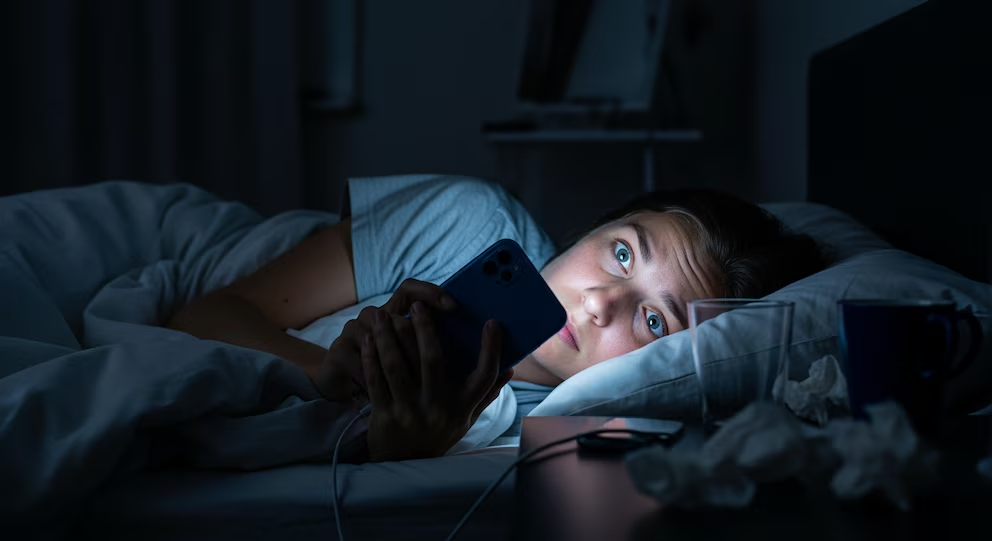
All of this sits inside an environment design principle that athletes apply without calling it psychology. The bedroom is treated as a cue, cool, dark, quiet, and reserved for sleep and intimacy, not for scrolling, arguing, or problem solving. That cue conditioning matters because the brain learns associations quickly, and if the bed becomes a workplace, it stops acting like a switch for rest. The world outside the room can be chaotic, but the room should be boring and stable. The more you lower the cognitive load at night, the more sleep becomes automatic rather than negotiated.
These habits are not moral rules and they are not a substitute for medical evaluation when insomnia is persistent or severe. They are operational levers, designed to make sleep easier in a life that refuses to slow down. The Olympic lesson is not that disciplined people never have bad nights, it is that they build systems that prevent one bad night from cascading. If you want to adopt one change, choose the wake time anchor and protect it for two weeks, then add light exposure, then add a wind down buffer. Sleep improves fastest when you stop chasing perfection and start building conditions.
Hechos que no se doblan. / Facts that do not bend.