

 Phoenix 24
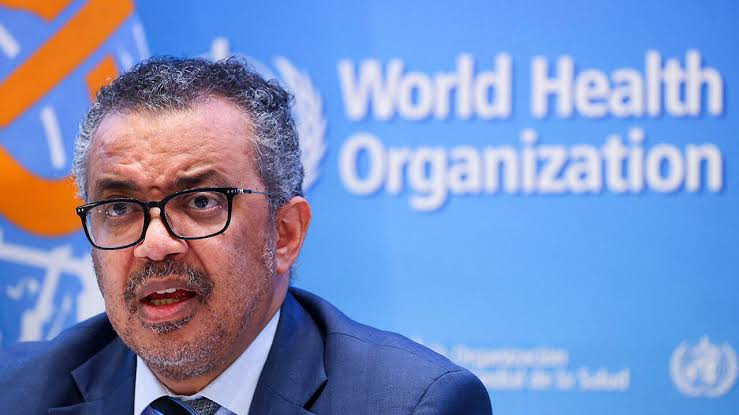
GENEVA, SWITZERLAND — November 2, 2026. The World Health Organization (WHO) has called on governments to urgently finalize the remaining provisions of its international pandemic agreement, warning that recent outbreaks of Ebola and hantavirus demonstrate the continuing vulnerability of global health systems. Speaking at the opening of negotiations in Geneva on Monday, WHO Director-General Tedros Adhanom Ghebreyesus urged countries to overcome disagreements over access to dangerous pathogens and the equitable distribution of vaccines, treatments and diagnostic technologies. His intervention comes as health authorities confront a major Ebola epidemic in the Democratic Republic of the Congo and renewed questions about international preparedness for future infectious disease emergencies.
The negotiations concern the WHO Pandemic Agreement, adopted by the World Health Assembly in May 2025 following lessons from the COVID-19 crisis. Although governments approved the principal framework, they did not reach a final agreement on its Pathogen Access and Benefit-Sharing system, known as PABS. This mechanism is intended to facilitate the rapid exchange of biological samples and genetic sequence information while ensuring that countries contributing those resources receive fair access to medical products developed from them. Completing the annex is necessary before the agreement can proceed toward signature and ratification.
Tedros emphasized that infectious disease threats cannot be managed effectively through isolated national responses. He cited a hantavirus outbreak earlier in 2026 and the continuing Ebola epidemic in the Democratic Republic of the Congo as reminders that outbreaks require sustained surveillance and international cooperation. According to the WHO’s October 23 epidemiological update, the Ebola outbreak caused by the Bundibugyo virus had reached 9,704 confirmed cases and 4,687 deaths in the Democratic Republic of the Congo as of October 20. Imported cases had also been reported in Kenya and Nigeria, illustrating the potential for infectious diseases to cross international borders.
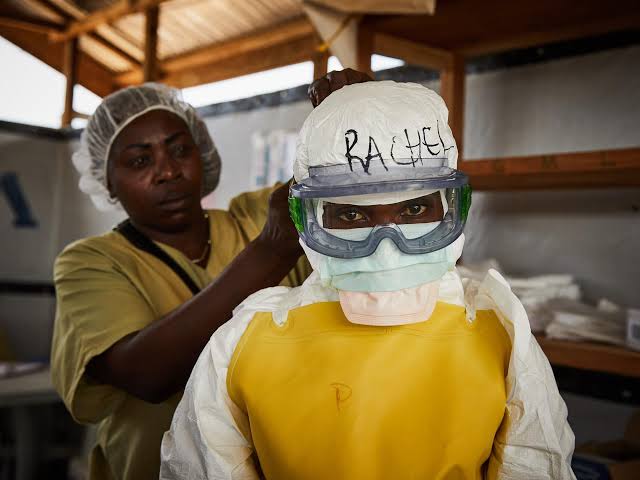
The Ebola figures underscore the operational difficulties confronting public health authorities in affected communities. The WHO reported continuing transmission across multiple health zones, with delayed detection and limited access to timely treatment contributing to the severity of the outbreak. Contact tracing, laboratory capacity, clinical care and community engagement remain essential components of the response. However, the organization has warned that stronger national capabilities must be supported by international systems capable of rapidly sharing scientific information, expertise and appropriate medical countermeasures.
A central issue in the negotiations is the unequal access to healthcare technologies exposed during COVID-19. Vaccines were developed at unprecedented speed, yet many lower-income countries experienced substantial delays while wealthier governments secured large supplies. Those disparities revealed weaknesses in international procurement, manufacturing capacity and distribution systems. The proposed PABS framework seeks to connect the sharing of pathogen samples and scientific information with more predictable access to vaccines, diagnostic tests and treatments, particularly for countries that lack extensive pharmaceutical manufacturing infrastructure.
Nevertheless, significant disagreements remain between wealthier and developing nations over the practical operation of the system. Negotiators must resolve questions involving access to pathogen materials, genetic sequence information, contractual arrangements and the sharing of benefits arising from pharmaceutical research. These issues intersect with intellectual property protection, commercial incentives and the responsibilities of governments and manufacturers during public health emergencies. Establishing an equitable framework therefore requires balancing rapid scientific collaboration with the need to preserve incentives for research, innovation and pharmaceutical production.
The ninth meeting of the Intergovernmental Working Group, scheduled from November 2 to 13, represents another opportunity to narrow those differences. The WHO has indicated that the proposed PABS annex is expected to be submitted for consideration at the World Health Assembly in May 2027. Tedros urged negotiators to prioritize essential provisions, remain flexible and focus on practical mechanisms rather than attempting to design a flawless system from the outset. His message reflects growing concern that prolonged negotiations could leave important aspects of the international preparedness framework unresolved.
National sovereignty remains another prominent subject in public debate. The WHO maintains that the agreement does not authorize its director-general or secretariat to impose vaccination mandates, lockdowns or travel restrictions on individual countries. Those decisions remain within national legal and constitutional frameworks. The agreement instead establishes principles for cooperation, information exchange, preparedness and access to health technologies, with implementation depending on the commitments governments undertake through the relevant legal procedures.
The debate also highlights the importance of scientific infrastructure and economic development in global health security. Countries require reliable laboratories, trained healthcare workers, disease surveillance systems and access to medical manufacturing capabilities to respond effectively to emerging outbreaks. International cooperation can support these capacities through financing, technology transfer and coordinated research. Yet equitable preparedness cannot be measured solely by the existence of agreements: their effectiveness ultimately depends on whether participating countries can translate negotiated commitments into functioning institutions and timely public health interventions.
The renewed negotiations demonstrate that pandemic preparedness is both a scientific and a geopolitical challenge. Governments must protect their populations while addressing disparities in access to technology, institutional capacity and financial resources. The Ebola epidemic illustrates the immediate consequences of weaknesses in disease detection and treatment, while the unresolved PABS negotiations expose the difficulties of establishing rules acceptable to countries with different economic and technological capabilities.
As delegates continue their discussions in Geneva, the central question is whether governments can establish a credible system that accelerates scientific cooperation without reproducing the inequalities experienced during COVID-19. The WHO’s warning does not mean that another global pandemic is imminent, but it reinforces the importance of preparing before a new international emergency develops. The outcome of the negotiations will help determine whether the lessons of the previous pandemic produce lasting improvements in global health coordination, equitable access and collective preparedness.
Phoenix24: Beyond the outbreak, the global responsibility. / Más allá del brote, la responsabilidad global.