

 Phoenix 24
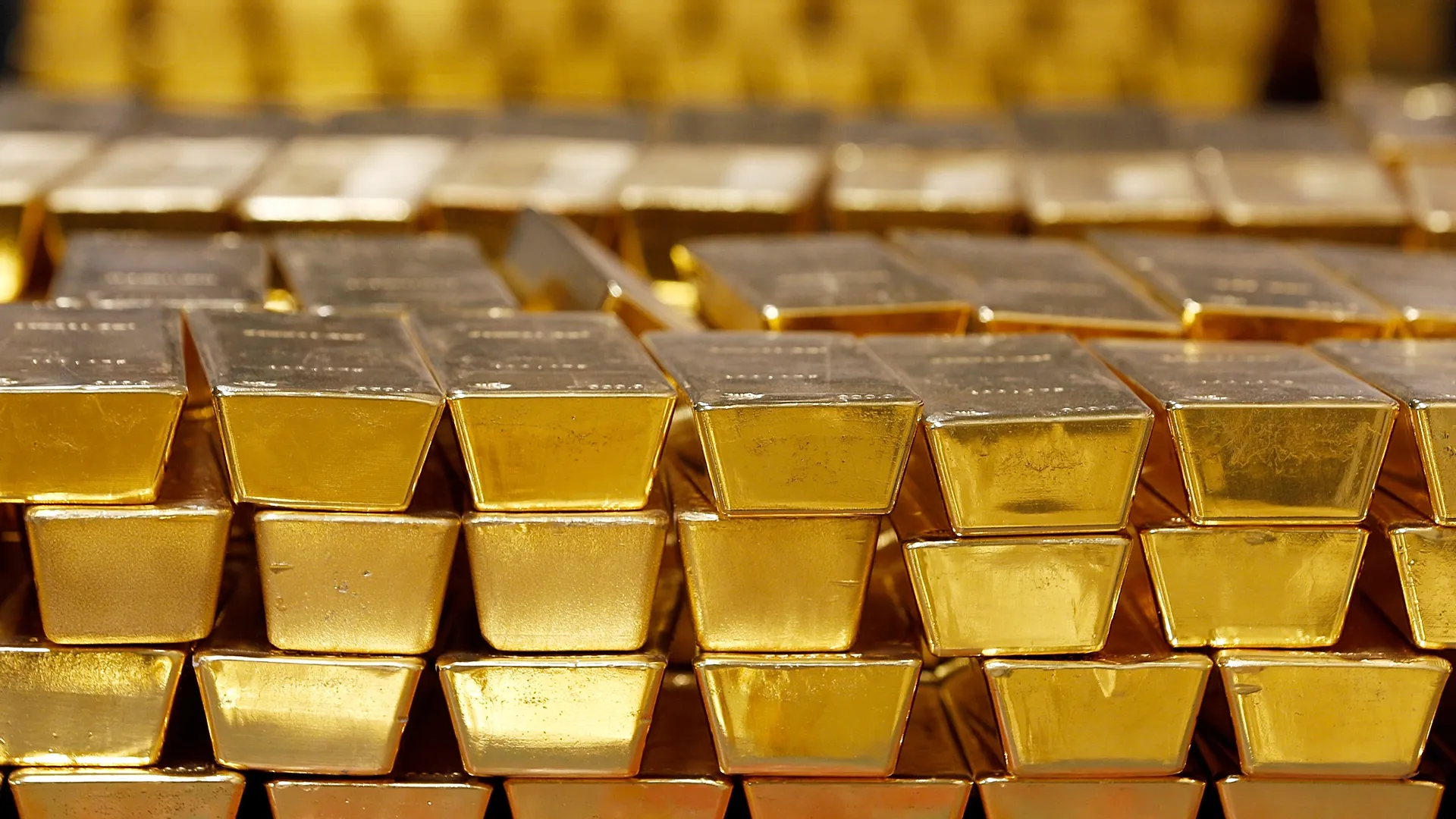
After hitting record highs, gold has broken sharply lower as shifting investor expectations and monetary policy signals reshape demand for the precious metal.
London, February 1, 2026. The price of gold has fallen dramatically from historic peaks this week, marking one of the steepest drops in decades and surprising markets that had previously driven the metal to unprecedented levels. After briefly trading above five thousand five hundred dollars per ounce — a milestone fueled by geopolitical uncertainty and strong safe-haven demand — prices reversed course sharply last Friday, sliding by more than nine percent in a single session before continuing a broader retreat as investors reassessed key drivers of demand.
The sudden slump followed a series of developments that altered market sentiment. In recent weeks, gold rallied in response to concerns about global geopolitical tensions, elevated inflation expectations, and a weakening U.S. dollar, which typically supports higher valuations for metals priced in dollars because it makes them cheaper for overseas buyers. This rally drew fresh interest from institutional investors, central banks and retail traders all seeking protection against risks ranging from political instability to financial market volatility.
However, over the course of this week traders began to reassess that bullish narrative as expectations around monetary policy shifted. News that a prominent nominee for the leadership of the U.S. Federal Reserve was being considered, interpreted as a sign that monetary policy may not be loosened as aggressively as some had anticipated, prompted a rapid change in expectations for interest rates and the strength of the dollar. A stronger dollar tends to reduce the appeal of non-yielding assets like gold, leading to selling pressure as investors rotated funds back into other asset classes.
Profit-taking also played a significant role in accelerating the slide. After the metal reached record levels, many traders chose to lock in gains, triggering a cascade of selling that was amplified by reduced liquidity in futures markets. As gold broke key technical price levels, algorithmic trading systems and stop-loss orders reinforced the downward momentum, pushing prices further away from recent highs.
The broader precious metals complex was similarly affected, with silver experiencing even steeper losses after its own record run. The sharp correction in both metals was reminiscent of historic sell-offs seen only rarely in modern markets, underscoring the volatility that can emerge when momentum stalls and sentiment shifts abruptly.
Macroeconomic data and cross-asset trends also contributed to the dynamic. Positive developments in equity markets and renewed confidence in risk assets encouraged some investors to reduce exposure to traditional hedges like gold, while central bank commentary emphasizing cautious monetary adjustments provided additional relief to markets that had priced in more aggressive support earlier in the year.
Despite the recent decline, analysts caution that the fundamental factors supporting demand for gold have not disappeared entirely. Ongoing geopolitical uncertainties, elevated government debt in many major economies, and potential inflationary pressures continue to make gold an attractive component of diversified portfolios for many long-term holders. Some market participants view the current pullback as a technical correction within a larger upward trend, suggesting that prices could stabilise or recover if risk perceptions remain elevated.
The sharp drop also highlights the complexity of the gold market, where investor psychology, macroeconomic expectations and monetary policy all interact to shape prices. Sudden shifts in any of these elements can have outsized effects, especially in a market that has seen extraordinary gains in recent months.
As trading continues and markets digest new information about monetary policy direction and global risk conditions, the future trajectory of gold prices will depend on how investors balance the competing forces of risk appetite, inflation concerns and currency dynamics.
Detrás de cada dato, hay una intención. Detrás de cada silencio, una estructura.