

 Phoenix 24
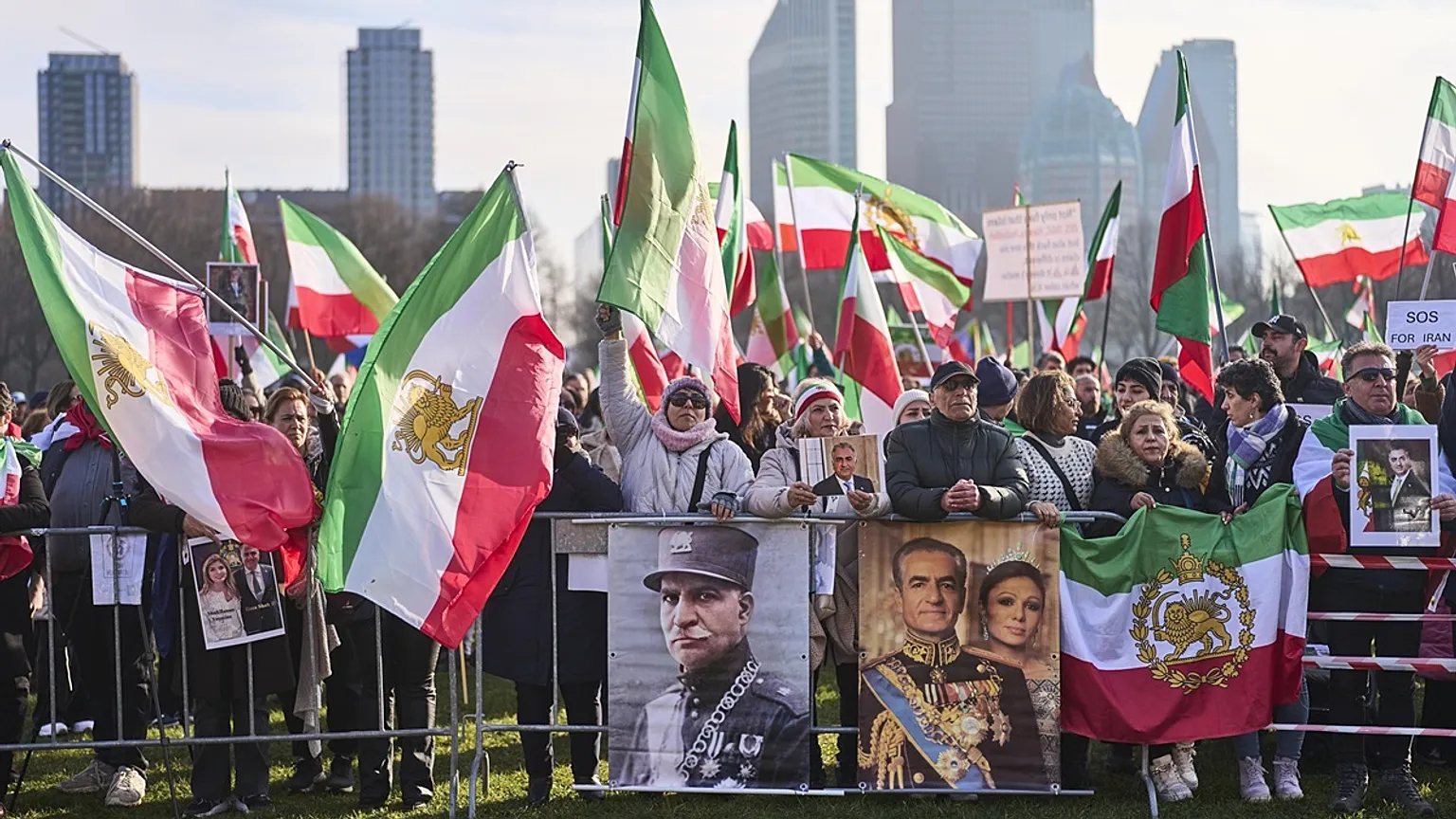
Doha is positioning itself as a key intermediary as geopolitical pressure mounts across the Middle East.
Doha, February 1, 2026. Qatar has stepped up its regional diplomatic efforts in response to escalating tensions involving Iran, Western powers and neighboring states, reinforcing its role as a mediator at a moment of heightened geopolitical uncertainty. As security incidents, military posturing and sharp rhetoric continue to raise the risk of confrontation, Qatari leaders have moved to strengthen dialogue channels aimed at preventing further escalation and preserving regional stability.
In recent days, senior Qatari officials have engaged directly with Iranian counterparts, holding high level meetings focused on de escalation and communication. These discussions have emphasized the importance of diplomacy over force, with both sides signaling an interest in keeping negotiation pathways open even as broader tensions persist. For Doha, maintaining open lines with Tehran is part of a long standing strategy that prioritizes mediation and conflict prevention in a region marked by deep rivalries.
Qatar’s diplomatic push comes as concerns grow over the cumulative impact of recent developments, including increased military deployments in the region, uncertainty surrounding U.S. policy toward Iran and the broader consequences of instability for energy markets and regional security. Gulf states in particular are wary of scenarios in which miscalculation or rapid escalation could disrupt trade routes, threaten infrastructure or draw neighboring countries into a wider conflict.
The Qatari government has framed its engagement as an effort to lower the temperature at a critical moment. Officials have highlighted the need for dialogue that respects sovereignty while addressing security concerns through political channels rather than military action. This approach reflects Qatar’s broader foreign policy posture, which seeks to balance relationships with diverse actors, including Iran, the United States and other regional powers.
Alongside bilateral contacts with Iran, Qatar has coordinated diplomatically with other regional players, including Turkey and Egypt, who have also advocated restraint and dialogue. These parallel efforts suggest a growing recognition among some Middle Eastern governments that unmanaged confrontation could have far reaching consequences, both economically and politically. The emphasis on multilateral communication underscores an attempt to create overlapping safety nets that reduce the likelihood of sudden escalation.
Qatar’s credibility as a mediator is rooted in its history of facilitating dialogue in complex conflicts, ranging from regional disputes to negotiations involving global powers. Its willingness to host talks, maintain neutrality in certain disputes and invest diplomatic capital has allowed Doha to occupy a unique position in Middle Eastern diplomacy. In the current context, this experience is being leveraged to address tensions that many fear could spiral beyond control if left unmanaged.
Despite these efforts, analysts caution that the regional environment remains fragile. Deep seated mistrust, unresolved disputes and domestic political pressures continue to shape decision making across the Middle East. While diplomatic engagement can slow escalation and create space for negotiation, it cannot on its own resolve the structural drivers of conflict that have accumulated over years.
For Qatar, the challenge lies in sustaining its mediating role without becoming entangled in rivalries or losing the confidence of key actors. Its current initiatives suggest a calculated effort to reinforce its image as a stabilizing force, even as power dynamics and alliances in the region remain fluid. The success of this strategy will depend not only on Doha’s diplomacy but also on the willingness of other actors to prioritize dialogue over confrontation.
As tensions linked to Iran continue to test regional stability, Qatar’s diplomatic activism highlights the growing importance of mediation in an era defined by uncertainty and shifting power balances. Whether these efforts can translate into lasting de escalation remains unclear, but they underscore a broader recognition that dialogue remains one of the few tools available to manage risk in an increasingly volatile geopolitical landscape.
Detrás de cada dato, hay una intención. Detrás de cada silencio, una estructura.