

 Phoenix 24
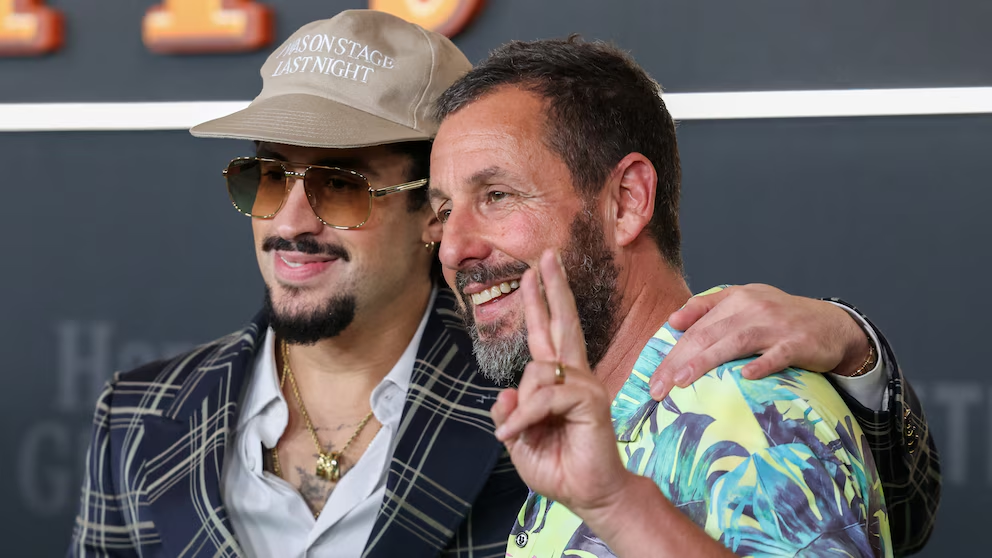
More than a chart topper he became a cultural force whose reach reshaped the musical landscape.
Miami, January 31, 2026. According to industry tallies compiled by Billboard over the course of 2025, Bad Bunny stood out as the most significant pop artist of the year, not only in terms of commercial performance but in his ability to influence global music trends, expand linguistic boundaries and redefine mainstream success outside traditional English language dominance. The Puerto Rican artist’s achievements throughout the year reflect an integration of artistic ambition, cultural resonance and strategic engagement with a diversified audience that surpassed expectations and recalibrated what it means to lead in contemporary popular music.
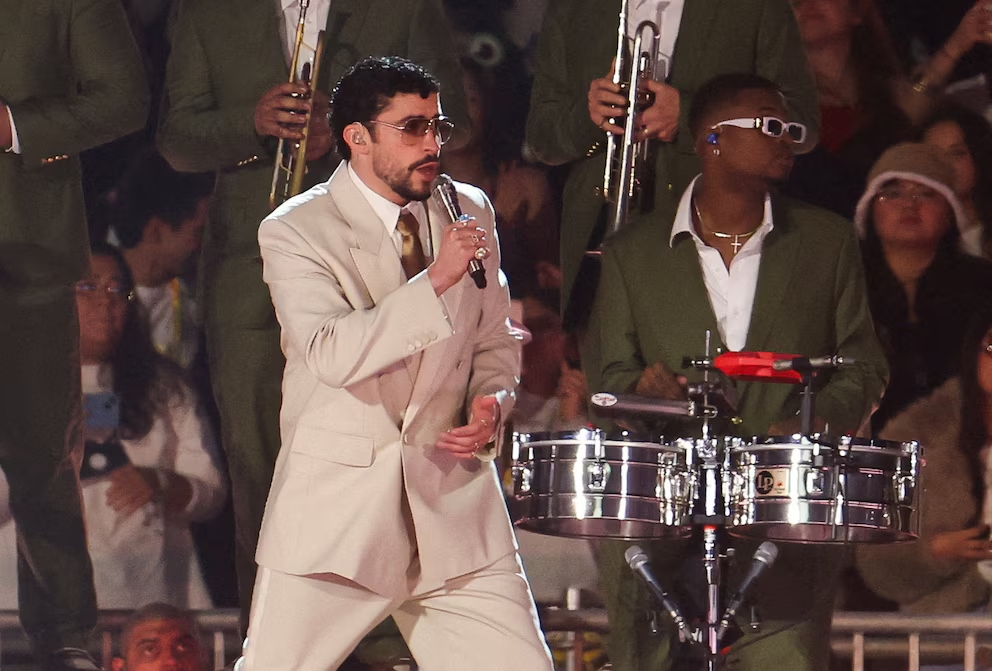
Bad Bunny’s rise to prominence in 2025 was characterized by a series of accomplishments that collectively distinguished him from his peers. His albums and singles consistently performed at the highest levels across multiple markets, generating sustained presence on charts that measure sales, streaming and radio play. This commercial success was coupled with a pronounced cultural impact as his music became a unifying soundtrack across festivals, social events, digital platforms and global playlists. Analysts tracking trends note that his ability to connect with listeners transcended linguistic and regional divides, demonstrating that music grounded in authentic expression can achieve universal reach without conforming to traditional industry conventions.
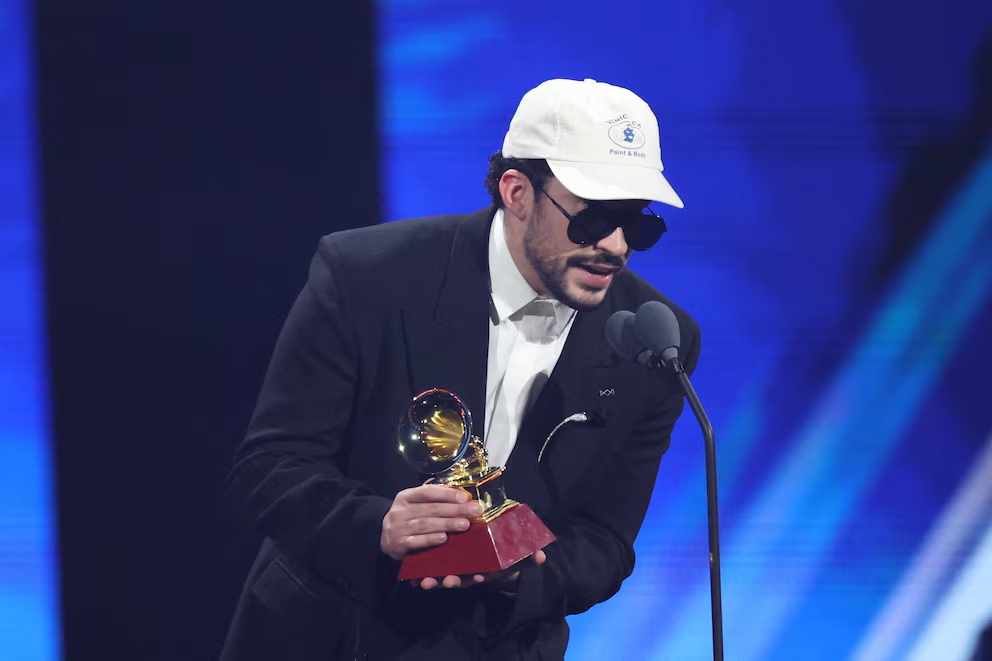
Central to Bad Bunny’s ascent was his capacity to blend genres and experiment with sonic textures, creating works that felt both deeply personal and broadly accessible. His releases in 2025 revealed a mastery of crafting rhythms that draw from reggaeton, Latin trap and other contemporary influences while embedding lyrical themes that spoke to individual experience, social identity and emotional complexity. This combination of musical innovation and thematic depth resonated with audiences of diverse ages and cultural backgrounds, contributing to a collective enthusiasm that elevated his presence beyond typical pop performance metrics.
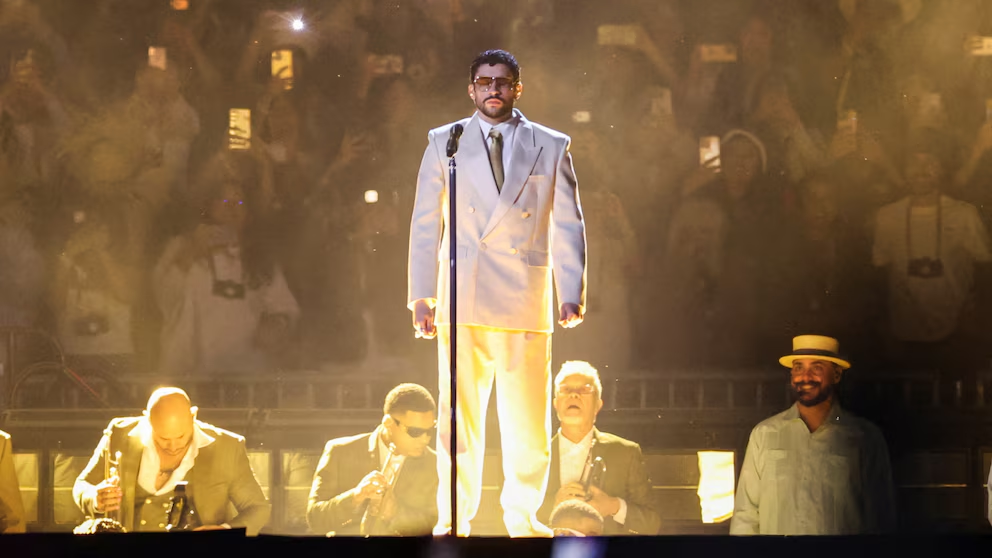
In addition to his artistic output, Bad Bunny’s influence was reinforced through his prolific touring schedule, which brought his performances to audiences across continents. His live shows became cultural events in their own right, drawing fans who viewed attendance not only as an entertainment experience but as a statement of communal identity. Concert attendance figures and ticket sales from 2025 indicate that his tours consistently topped lists of the year’s most attended and highest grossing, reinforcing his status as a live performer whose appeal rivals that of the most established international acts.
Beyond charts and concerts, Bad Bunny’s visibility extended into fashion, social media and cultural discourse. His stylistic choices, public statements and collaborations with other artists and brands contributed to a broader conversation about representation, creative autonomy and the fluidity of artistic expression. Critics and commentators observed that his presence in spaces traditionally dominated by anglophone performers signaled a shift in how global popular culture is defined and consumed, with audiences increasingly embracing diversity as a core component of influence.
Industry executives point to the strategic decisions that shaped Bad Bunny’s 2025 trajectory as examples of how modern artists negotiate the interplay between creativity and commercial success. His ability to maintain artistic integrity while engaging with a global market demonstrated that authenticity and universality are not mutually exclusive. Rather, they can reinforce each other when an artist’s work resonates with shared human experiences that extend beyond geographic or linguistic boundaries.
The designation as the most prominent pop artist of 2025 by Billboard reflects these multifaceted accomplishments. It acknowledges not only the quantifiable achievements in charts and sales but the qualitative impact he had on the musical ecosystem. His success contributed to a rethinking among industry observers about the metrics that define pop leadership in a connected world where audiences curate their listening experiences across platforms and cultures.
As the music industry moves into 2026, Bad Bunny’s example suggests that future pop success will be determined less by adherence to established formulas and more by the capacity to engage meaningfully with audiences who value authenticity, innovation and emotional connection. The evolution of his career offers insights into how artists can navigate the pressures of visibility and commercial expectation without sacrificing creative vitality.
Behind every data point, there is an intention. Behind every silence, a structure.