

 Phoenix 24
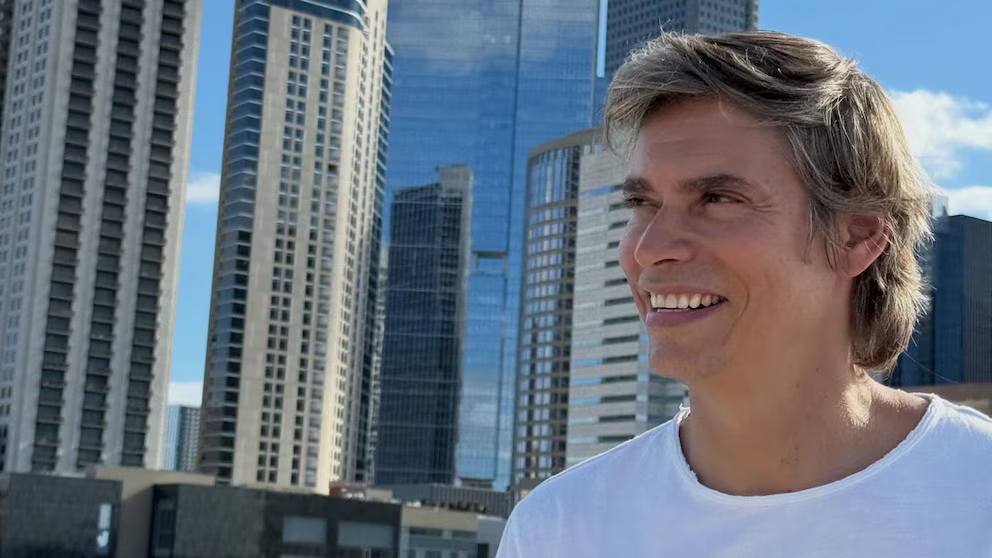
At fifty-one years old the Venezuelan singer reflects on how structure and personal choices shape both health and identity.
Miami, January 31, 2026. Carlos Baute, the Venezuelan artist known for his enduring presence in Latin pop and for a career that has spanned decades, has shared an intimate portrait of his personal health regimen, emphasizing the role of consistency, self-awareness and pleasure in sustaining both physical well-being and artistic vitality. At fifty-one, Baute describes himself as the beneficiary of what he calls “a blessed genetic makeup,” but he is equally clear that genetics alone do not account for his current state of health. Rather, he frames his approach to daily life as one grounded in deliberate habits, thoughtful discipline and an understanding of his own body’s needs, including how he responds to periods of fasting, nutrition and the rhythms of rest and activity that define his everyday routine.
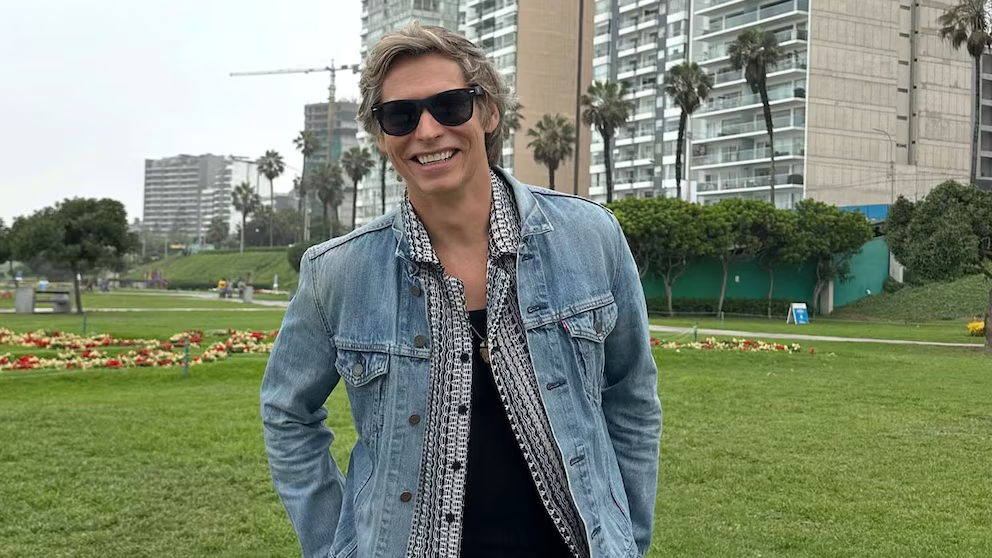
Baute’s reflections on his health have garnered attention not because they represent a dramatic departure from celebrity wellness trends, but because they articulate a nuanced balance between structure and enjoyment. He acknowledges that his regimen includes elements that require restraint, such as intermittent fasting, but he resists the notion that such practices must be austere or joyless to be effective. Instead, he describes his approach as adaptive, personal and attuned to both his physical goals and his enjoyment of life’s pleasures. In a conversation about how he breaks a fast, he mentions indulging in fried eggs and bacon, noting that this choice reflects his understanding of how certain foods fit into his body’s energetic and metabolic needs after a period without nourishment. The image of a seasoned performer savoring familiar comfort foods challenges simplistic narratives about health that equate strict avoidance with success, suggesting instead that mindful enjoyment can coexist with disciplined practice.
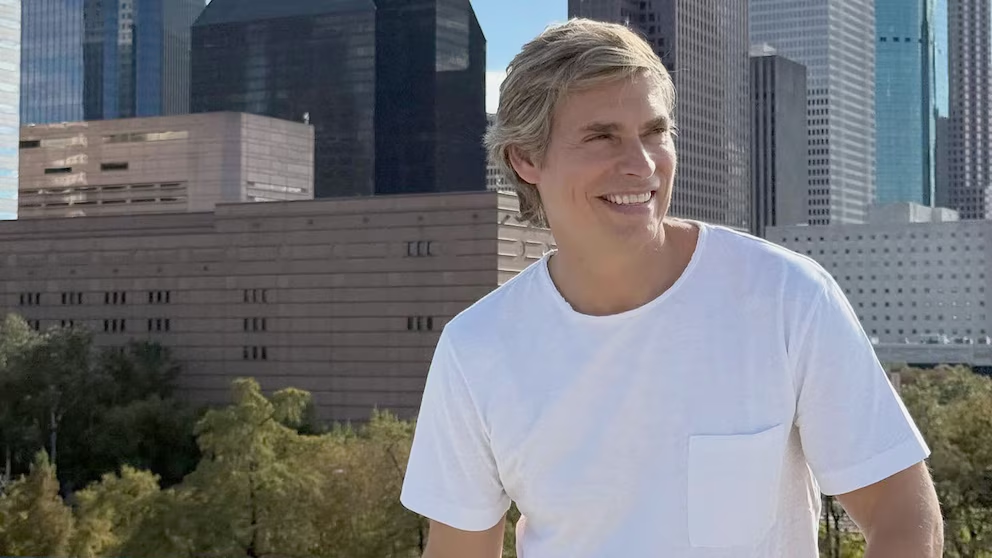
The singer’s openness about his routine also extends to the temporal structure of his days. Like many people who adopt intermittent fasting, Baute talks about setting clear windows for eating and abstaining from food in order to regulate not only his metabolism but his sense of focus and self-control. This temporal discipline, he explains, has become a framework around which other aspects of his life are organized, including his creative work, exercise habits and periods of rest. For Baute, the practice is neither a fad nor a rigid doctrine, but a tool that supports his broader goals of clarity, energy management and sustained performance. He frames it as a strategy that requires attention but also flexibility, recognizing that the needs of his body and schedule can change with context.
In articulating his personal experience, Baute’s narrative intersects with broader conversations about health and aging, particularly in fields where physical presentation and stamina are often intertwined with professional demand. His emphasis on listening to his body and adjusting his practices according to what feels right rather than adhering to prescriptive rules resonates with a growing trend among public figures who advocate for individualized approaches to wellness. This perspective challenges one-size-fits-all models and invites audiences to consider how personal history, lifestyle and preference inform choices about food, movement and rest. Baute’s candidness about his daily practice underscores a principle that transcends specific diets or routines: that awareness and intention are central to sustainable well-being.
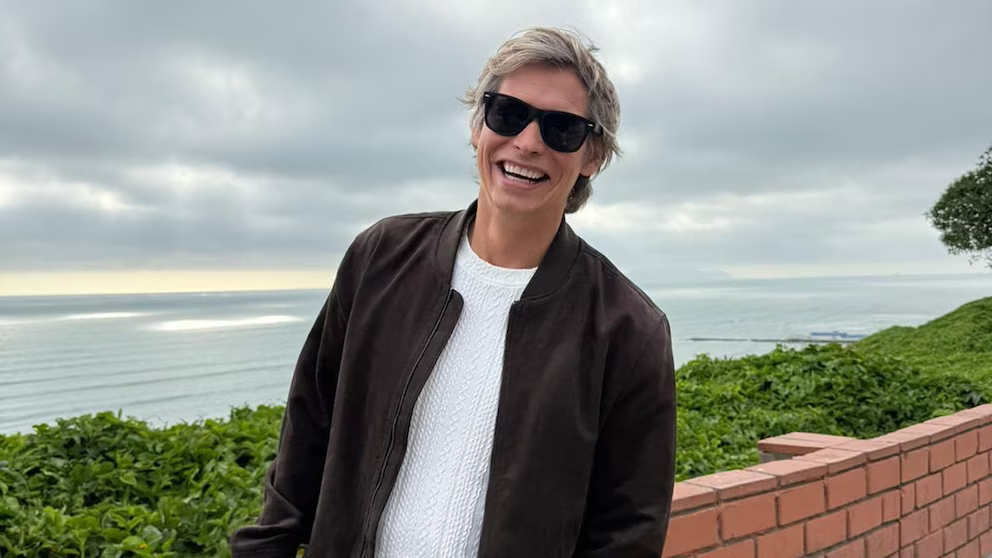
The singer’s framing of his own genetic predisposition as a blessing rather than a burden further illuminates his outlook. He acknowledges the advantage of favorable physiology, but he also underscores that good genetics require cultivation and respect. In his telling, genetic luck is only the starting point; what matters most is how one manages the gifts one has been given through deliberate attention, consistency and responsiveness to the body’s signals. This emphasis on personal agency adds depth to his story, positioning his habits as neither exceptional nor unattainable, but as thoughtful choices made in service of long-term health and functional vitality.
Baute’s narrative also touches on the cultural dimensions of food and identity. By describing meals that include foods associated with pleasure and comfort, he challenges the binary between health food and indulgence, suggesting that nourishment can encompass both. His approach invites a reassessment of how food is valued, not simply in nutritional terms, but as part of the lived experience of joy, cultural memory and personal preference. In a media landscape where diet trends are constantly recast and branded as revolutionary, Baute’s emphasis on meaning, satisfaction and context offers an alternative lens through which to view eating habits and their relationship to quality of life.
As Baute moves forward in his career and personal journey, his reflections on daily practice, bodily awareness and the cultivation of sustainable habits provide a candid look at how an artist balances the demands of public presence with private care. His story resonates not only because of his fame, but because it illustrates an approach to life that values both discipline and pleasure, structure and adaptability, intention and enjoyment. In an era where wellness narratives often swing between extremes, Baute’s perspective underscores that thoughtful integration of habits, personal insight and enjoyment can shape a life that is both healthy and fully lived.
Behind every data point, there is an intention. Behind every silence, a structure.