

 Phoenix 24
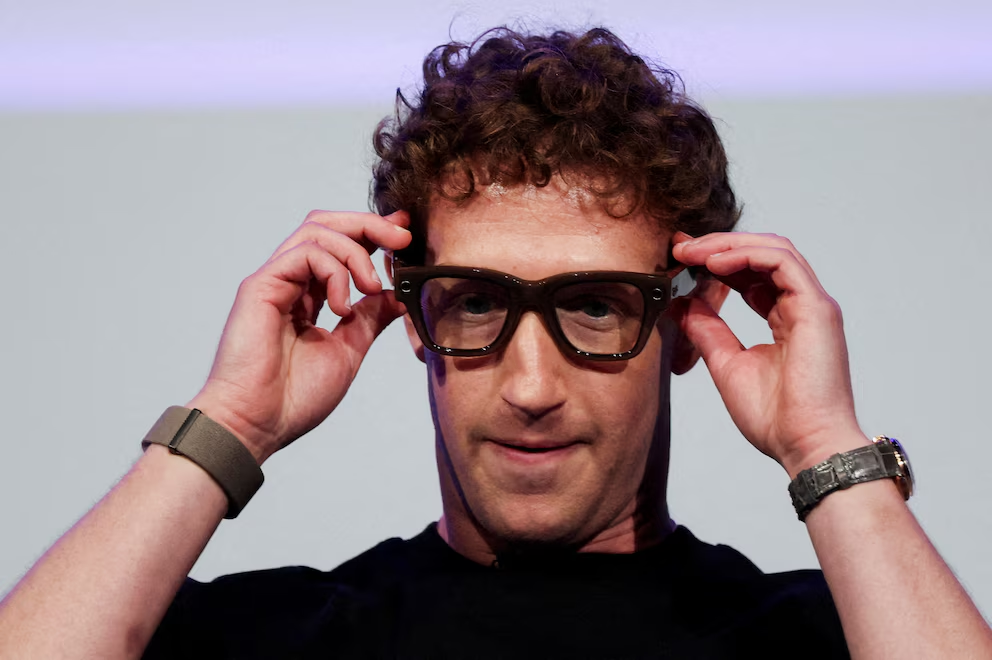
The device that shaped an entire generation may be approaching its structural limit as technology moves closer to the human body.
New York City, January 31, 2026. The dominance of the smartphone as the primary gateway to the digital world could be entering its final stage, according to recent statements by Mark Zuckerberg, chief executive of Meta. His remarks suggest that the future of human interaction with technology will no longer revolve around a handheld screen, but around wearable devices enhanced by artificial intelligence that integrate digital information directly into daily perception.

For nearly two decades, smartphones have functioned as the central nervous system of modern life. They consolidated communication, entertainment, navigation, commerce and social interaction into a single object that billions of people carry at all times. This consolidation reshaped habits, attention spans and even social norms. Yet Zuckerberg argues that the very form factor that made smartphones revolutionary is now becoming a limitation in an era defined by artificial intelligence and continuous connectivity.
According to this vision, the next stage of personal computing will be driven by smart glasses capable of overlaying digital information onto the physical world. These devices would allow users to access messages, directions, contextual data and AI assistance without interrupting their awareness of their surroundings. Instead of looking down at a screen, interaction would occur within the user’s natural field of vision, creating a more fluid and less intrusive relationship with technology.
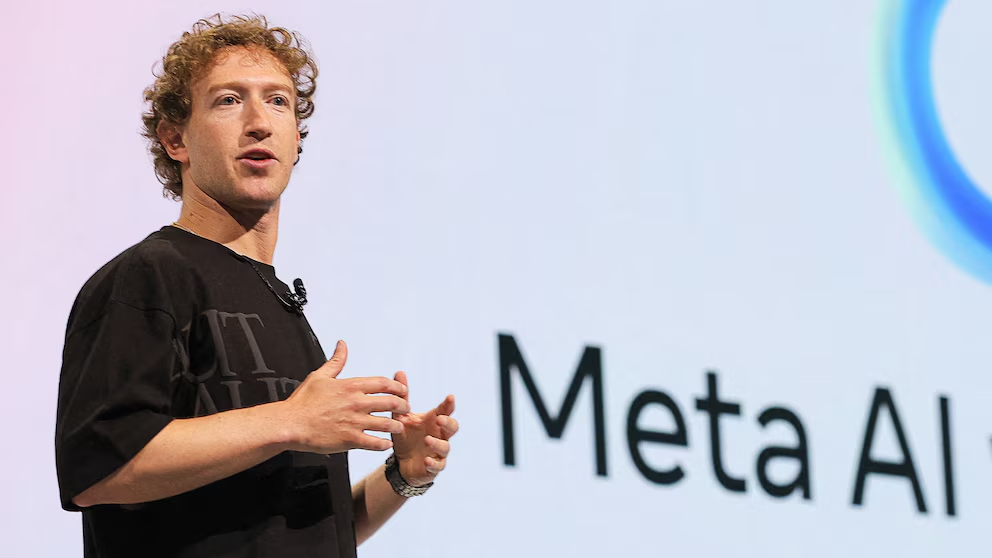
Zuckerberg emphasizes that eyewear offers a strategic advantage as a platform because it already exists as a socially accepted and widely adopted object. Billions of people around the world wear glasses daily, which lowers the psychological barrier to adoption compared to entirely new device categories. By embedding artificial intelligence into this familiar form, he believes technology can move closer to the human experience rather than forcing humans to adapt to rigid interfaces.
Meta’s investment in this direction reflects a broader shift in the technology industry. The company has reported significant growth in its smart glasses segment, reinforcing the idea that wearable devices are transitioning from experimental products to commercially viable tools. As these devices become more capable of real time language processing, visual recognition and contextual understanding, their usefulness could rival and eventually surpass that of smartphones for many everyday tasks.
This transition is not framed as an abrupt replacement but as a gradual rebalancing. Smartphones are unlikely to disappear overnight. Instead, their role may diminish as wearables absorb functions that no longer require a physical screen. Communication, navigation and information retrieval could become ambient processes, handled by AI systems that respond to voice, gaze or subtle gestures. Over time, the smartphone may shift from being the primary interface to a secondary or backup device.
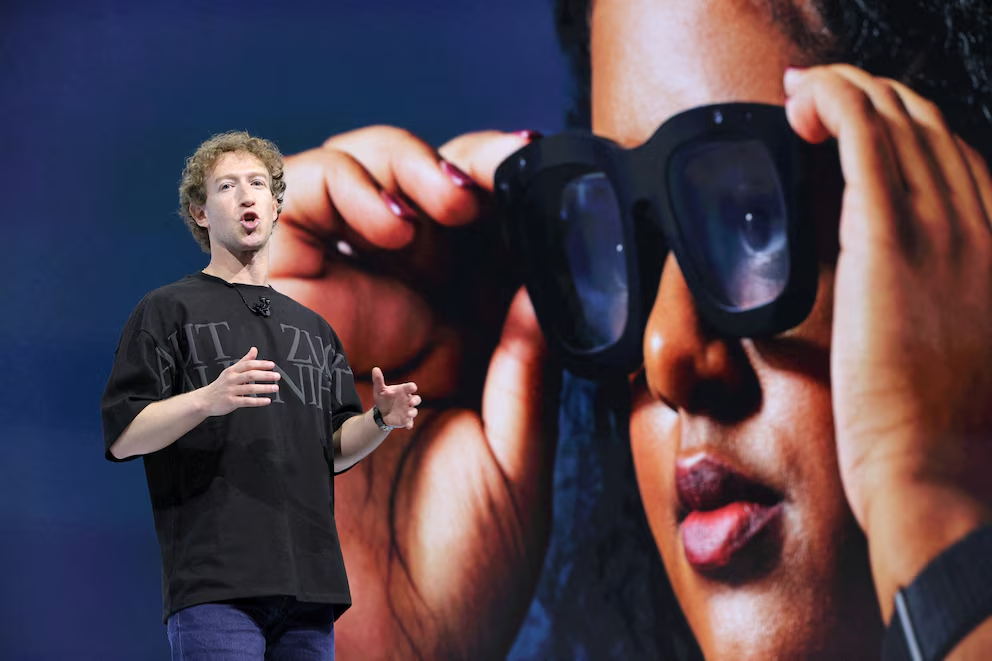
Still, significant obstacles remain. Current wearable technology faces challenges related to battery life, processing efficiency, heat management and long term comfort. Social concerns also persist, particularly around privacy. Devices capable of continuously interpreting the environment raise questions about data collection, consent and surveillance. For widespread adoption to occur, these concerns will need to be addressed both technologically and culturally.
Skeptics note that smartphones are deeply embedded in economic systems, infrastructure and human behavior. Their resilience lies not only in their technical capabilities but in the ecosystems built around them. Applications, services and business models are optimized for the smartphone format, and shifting away from it will require coordinated change across industries. History has shown that dominant technologies often coexist with their successors far longer than predicted.
Despite these uncertainties, Zuckerberg’s comments align with a broader trajectory in computing. Human computer interaction is moving away from touch based interfaces toward systems that are context aware, voice driven and visually integrated. Artificial intelligence accelerates this shift by reducing the need for explicit commands and enabling more natural forms of interaction. In this sense, the decline of the smartphone as the central device is less about obsolescence and more about evolution.
If this vision materializes, the next decade will redefine what it means to be connected. Technology will become less visible yet more pervasive, embedded not in pockets but in perception itself. The smartphone may remain part of daily life, but no longer its focal point. Instead, interaction will become more continuous, more adaptive and more closely aligned with human behavior.
Behind every data point, there is an intention. Behind every silence, a structure.