

 Phoenix 24
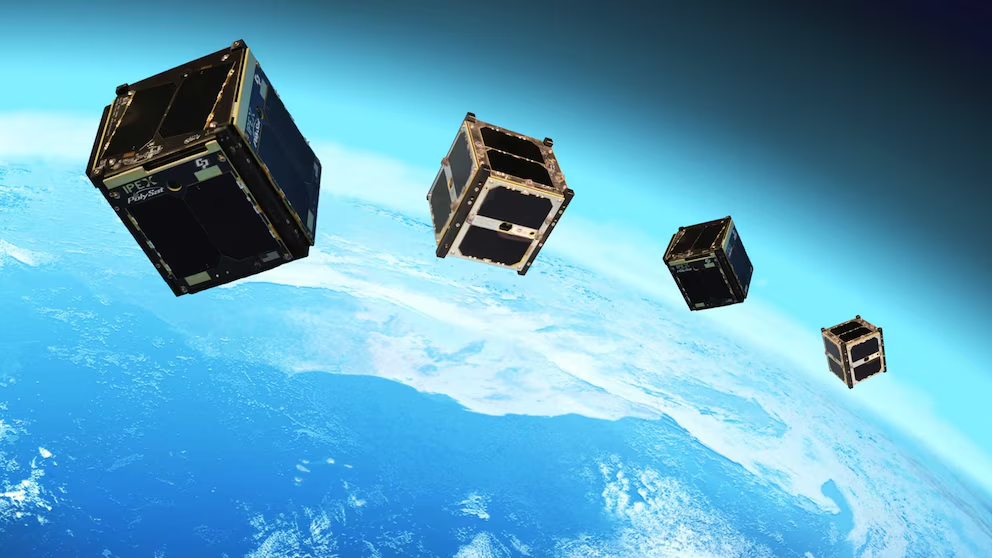
A novel venture aims to transform end-of-life rituals through orbital services.
Miami, January 2026.
A former executive from an aerospace and technology company led by Jeff Bezos has established a startup that plans to send the cremated remains of up to one thousand individuals into space, marking a distinctive convergence of commercial space operations and deeply personal rites of passage. The venture, conceived amid the rapid expansion of private sector space capabilities, will offer families the opportunity to memorialize loved ones not just on Earth but beyond the planet’s atmosphere, positioning such launches as symbolic gestures that redefine traditional burial and remembrance practices. The company’s business model envisions batch launches that carry individual capsules containing a small fraction of cremated remains into various orbital trajectories, where they will either remain in low Earth orbit for a commemorative period or be placed on trajectories that extend toward deeper space before reentry.
This initiative reflects the broader evolution of private spaceflight from technology demonstration and cargo transport to experiential services with cultural and emotional resonance, expanding the scope of what space commercialization can encompass. By situating end-of-life experiences within an extraterrestrial setting, the startup seeks not only to offer novel memorial options but also to embed human narratives within the expanding domain of outer space.
The genesis of this enterprise can be traced to the founder’s background in aerospace systems and project management, where exposure to orbital mechanics, launch logistics and regulatory compliance shaped a vision for service offerings that go beyond traditional satellite deployment and research missions. Drawing on insights from space operations, engineering teams and legal frameworks governing commercial launches, the startup has initiated dialogues with launch providers, regulatory agencies and aerospace partners to ensure that its missions comply with international and national space law. Among the considerations are requirements for safety, orbital debris mitigation and coordination with space situational awareness networks to avoid conflict with existing satellite constellations.
The involvement of experienced aerospace professionals lends technical credibility to the venture, although it also brings into focus the challenges of integrating emotionally driven services within the highly regulated and safety-critical environment of space operations. These preparations highlight how emerging space services must navigate a complex ecosystem of technical, legal and ethical requirements long before any launch occurs.
This initiative sits at the intersection of space commodification and personal meaning making, illustrating how private space enterprises increasingly seek to embed cultural and experiential value into their offerings. Rather than serving purely scientific or industrial applications, space services are expanding into domains that address human aspirations, rituals and symbolic acts. The idea of memorial orbital services taps into a longstanding fascination with space as a realm of transcendence and existential significance, where the cosmos becomes a stage for human expression beyond Earth’s confines.
For families and communities, the prospect of an orbital memorial can evoke both emotional solace and philosophical reflection, as loved ones are commemorated in a context associated with exploration, infinity and human aspiration. This broader narrative situates memorial launches within cultural frameworks that transcend conventional burial practices, positioning them as expressions of individual and collective identity in the context of humanity’s outward expansion.
The rise of memorial space services also raises questions about access, equity and the cultural framing of death rituals in an era of commercial spaceflight. Services of this nature are likely to be priced at a premium relative to traditional funerary options, prompting debate about the social implications of commodifying posthumous commemoration and assigning extraterrestrial settings to a subset of the population. Critics argue that such offerings risk reinforcing socioeconomic divides in how individuals and families can honor their deceased, while proponents contend that expanding the repertoire of memorial options enriches cultural diversity and personal choice. These tensions mirror broader conversations about the social dimension of emerging technologies, where innovation intersects with questions of inclusion, cultural norms and the meaning of public versus private space. The commercialization of memorial launches thus embodies not only a technological milestone but also a moment of cultural negotiation around the ethics and symbolism of death in the age of space enterprise.
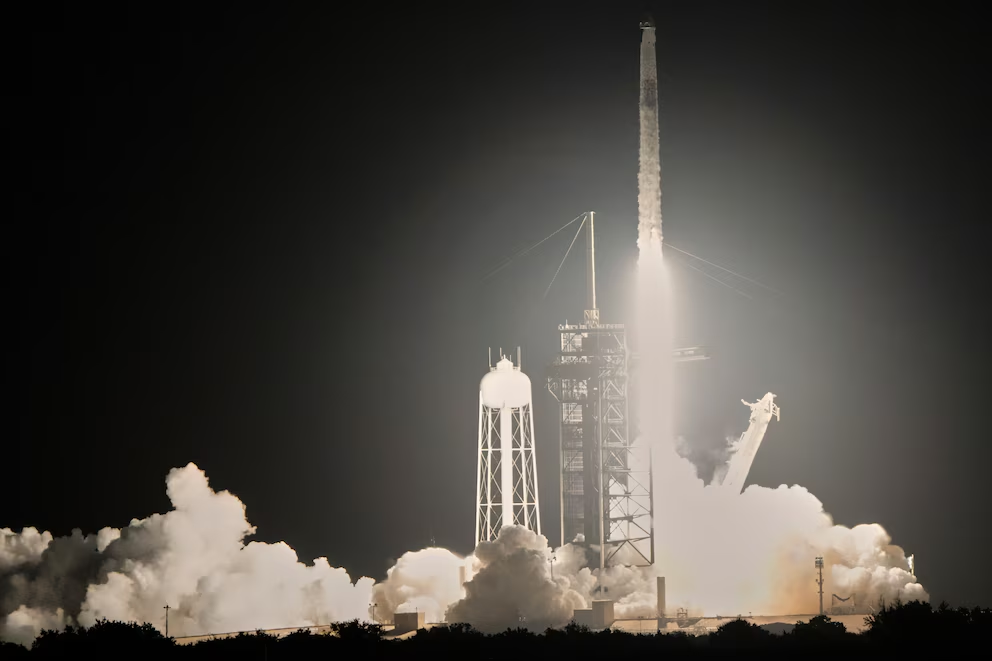
Operationally, the startup’s roadmap includes collaboration with existing launch providers, integration of standardized payload interfaces and adherence to best practices for mass and volume constraints characteristic of orbital missions. By leveraging established infrastructure and aerospace expertise, the venture aims to launch its first group memorial missions within the next few years, subject to regulatory approval and market demand. Engineers and business strategists involved in the project emphasize the importance of risk management and environmental stewardship, underscoring that responsible practices in space are essential not only for technical success but also for sustaining long-term commercial viability. The coordination of memorial payloads alongside other commercial or scientific cargo exemplifies how space services are being diversified and integrated into multi-mission architectures that maximize launch efficiency and resource allocation. This integration reflects a maturing commercial space sector where innovative applications must operate within shared logistics systems and collaborative frameworks.
From a cultural perspective, the emergence of orbital memorialization prompts reflection on how societies reconcile deeply personal experiences with collective technological advancement. The notion of sending remains into space resonates with narratives of human transcendence yet also underscores the interplay between tradition and innovation in rituals of remembrance. By situating posthumous commemoration within the context of space exploration, the startup advances a vision of memorial practice that blends emotive meaning with the frontier ethos of human expansion beyond Earth. Whether such services achieve widespread cultural resonance or remain symbolic offerings for niche markets, they signify a moment where personal narratives intersect overtly with the material and symbolic infrastructures of space civilization. In this intersection lies a broader question about how humanity fashions meaning in an increasingly technologized and expansive cosmos.
Phoenix24: clarity in the grey zone.