

 Phoenix 24
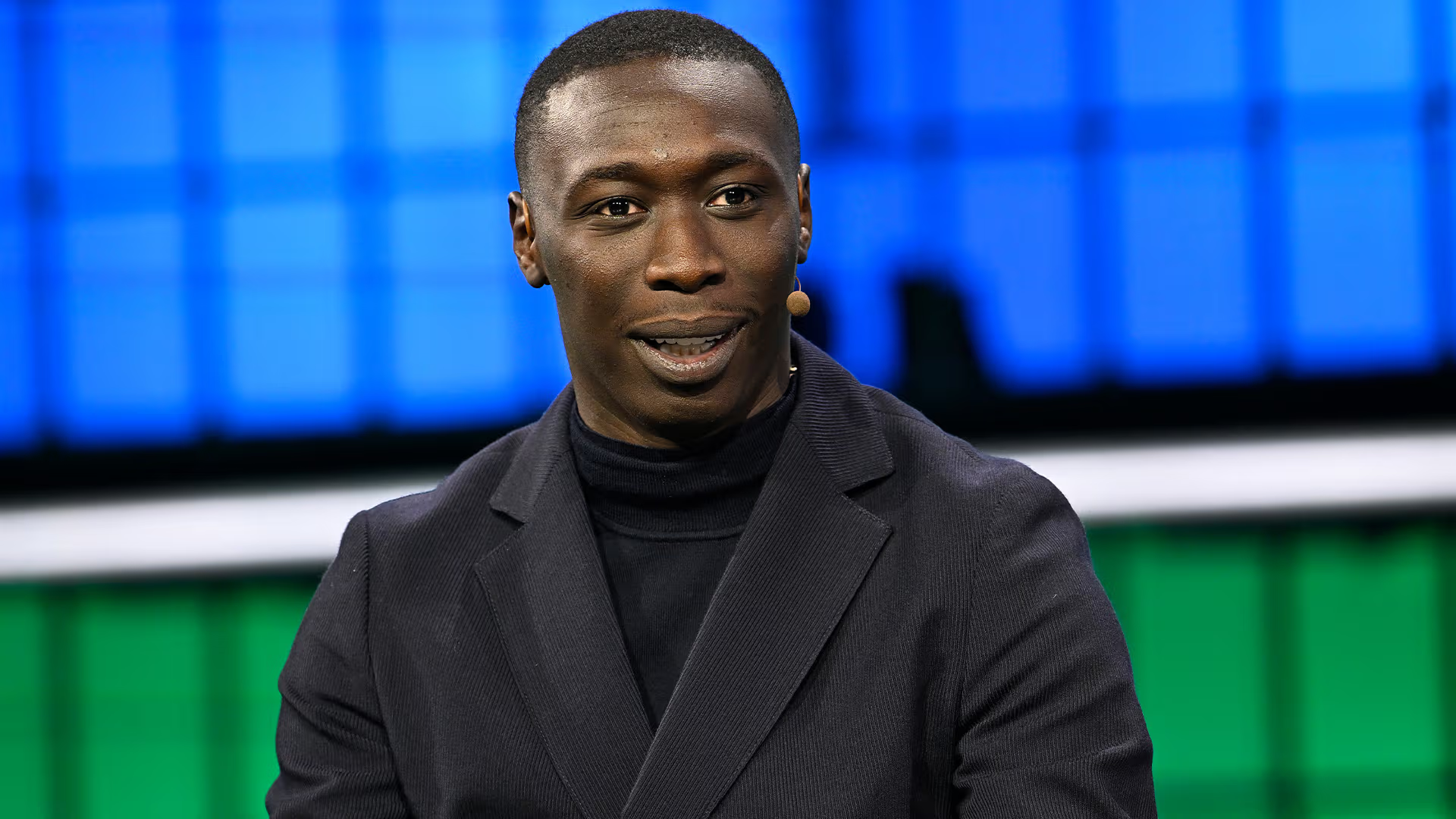
A landmark transaction reframes influencer influence as corporate value.
Dubai, January 2026.
Khaby Lame, whose rise from silent visual comedian to the most-followed individual on global short-form platforms redefined what it means to capture mass digital attention, has sold his primary company in a transaction valued at approximately nine hundred million US dollars. The agreement transfers ownership and strategic control of his core commercial entity, which encompasses brand partnerships, content operations and consumer product ventures, to a multinational investment group. This sale marks a pivotal moment in the evolution of the creator economy, where individual cultural capital is converted into structured corporate equity rather than remaining tethered solely to platform metrics or sponsorship deals.

Under the terms agreed by both parties, Lame will continue to produce creative content and engage audiences internationally, but the underlying business infrastructure now operates within a broader corporate governance framework designed to scale commercial operations systematically across markets. The transaction thus situates Lame not merely as a content creator, but as a founder who architected a cultural brand capable of commanding institutional investment on par with long-established media enterprises.
The implications of this deal reflect a deeper structural shift in how digital influence is valued within the global economy. Historically, creators monetized their followings through direct brand collaborations, advertising revenue and merchandise licensing, all of which depend heavily on platform algorithms and audience stability. In contrast, the sale of Lame’s enterprise embeds the value of his brand into a legally defined commercial entity with predictable revenue streams, governance standards and growth forecasts that appeal to traditional investors.

This reframing from ephemeral attention to durable asset heightens the strategic importance of creators as economic actors whose work extends beyond performative engagement to tangible financial outcomes. Observers in the tech and media sectors interpret this evolution as a watershed for creator-driven commerce, suggesting that future transactions may increasingly treat creator enterprises as legitimate corporate counterparts in mergers and acquisitions. The transaction highlights that the boundaries between individual influence and institutional capital are dissolving, creating new pathways for cultural entrepreneurship.
Lame’s personal journey illustrates the potential scale of creator-driven brands. Born in Dakar and raised in Italy, he first gained global recognition through videos that humorously demystified complex or overengineered tasks, using silence and expressive gesture to engage audiences across linguistic boundaries. This universal approach translated into hundreds of millions of followers across platforms, establishing an unprecedented base of global engagement.

Over time, his content strategy expanded to include collaborations with major brands and diversified revenue opportunities, reflecting a hybrid model of cultural production and commercial integration. By the time negotiations for the sale commenced, Lame’s enterprise already incorporated multiple business lines, including digital content strategy, branded merchandise and advisory roles for emerging creators. The company’s transformation under his leadership exemplifies a model in which cultural resonance becomes the foundation for scalable economic infrastructure.
The broader creator economy has watched this development closely, recognizing that valuation for creator enterprises is no longer confined to advertising revenue or audience size, but encompasses diversified streams that appeal to long-term investors. As institutional capital flows into creator-oriented businesses, traditional conceptions of media ownership and cultural production face redefinition. The acquisition of Lame’s company suggests that creator brands can transition from platform dependency to corporate autonomy, leveraging engagement metrics not as end goals but as inputs into structured financial models. In doing so, creators may secure more stable revenue foundations and greater bargaining power with platforms, advertisers and distribution partners. This shift underscores a maturation of the digital content ecosystem into an economic domain where cultural influence intersects with corporate strategy.
At the same time, this transaction raises questions about the future of creative autonomy within corporate structures. As creator enterprises integrate into larger commercial frameworks, balancing artistic freedom with investor expectations will be critical. Ensuring that brand authenticity remains intact while meeting performance benchmarks for profitability and growth will test the adaptive capacity of creators and their management teams. In Lame’s case, the continuation of his creative role suggests a hybrid governance model, where creative leadership coexists with institutional oversight. How this balance unfolds may serve as a reference model for other high-profile creators navigating similar transitions.

From an economic perspective, the sale also reflects evolving investor appetites for assets derived from digital culture. The convergence of technology, media and commerce has expanded the scope of cultural production to include business constructs that generate measurable financial value. As creators increasingly build diversified portfolios that extend beyond content alone, investor frameworks will adapt to assess long-term viability, brand equity and cross-market scalability. In this environment, cultural resonance becomes a measurable economic input rather than an intangible byproduct. The success of this transaction therefore resonates beyond a single deal, indicating broader trends in how digital influence is systematized, valued and institutionalized.
Beyond the immediate financial metrics, this development signals a paradigmatic shift in the creative economy, where influence is no longer ephemeral but convertible into enduring business structures that engage both cultural and financial logics.
Facts that do not bend.
Phoenix24: facts that do not bend.