

 Phoenix 24
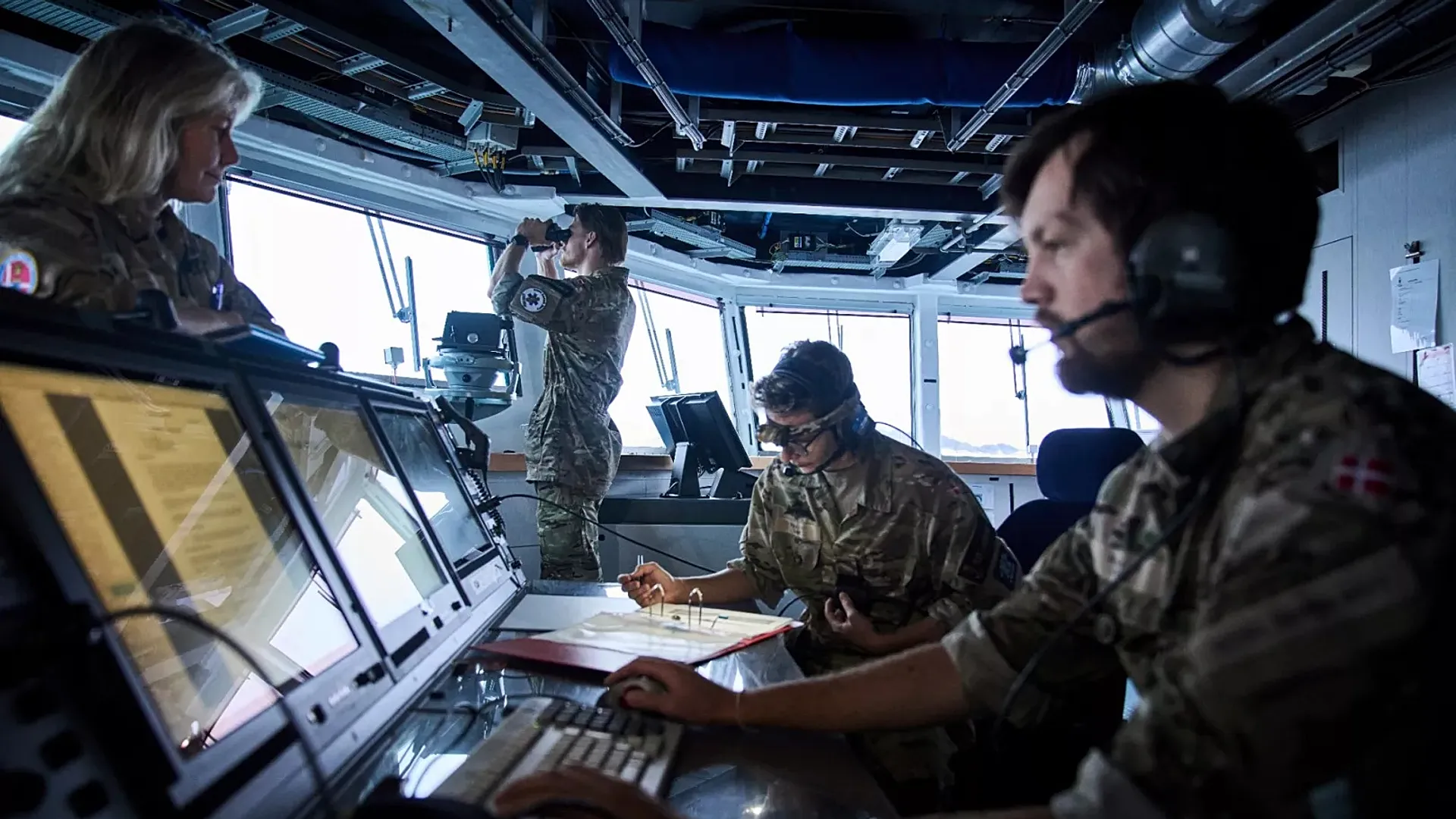
When strategic ambiguity surfaces, institutions close ranks.
Brussels, January 2026.
Members of the North Atlantic Treaty Organization and the Danish government agreed to reinforce security coordination in the Arctic following diplomatic signals that introduced uncertainty around Greenland’s strategic status. The decision emerged after public remarks from the United States reframed the island primarily through its strategic utility rather than its constitutional position. Those remarks disrupted long-standing assumptions within the alliance and triggered concern over narrative drift. Rather than respond with public escalation, allied governments redirected the discussion toward procedural consolidation and collective clarity. The Arctic became the space where cohesion was actively restored through institutional alignment.
European and North American partners focused their response on reaffirming sovereignty and constitutional order without personalization. Denmark’s authority over Greenland was treated as a settled legal reality anchored in alliance norms and international law. Officials avoided corrective or punitive language to prevent bilateral tension from spilling into multilateral fracture. This restraint was deliberate and aimed at closing interpretive gaps before they hardened into policy divergence. Stability was framed as a shared responsibility rather than a negotiable claim.
From an institutional perspective, the episode illustrates how alliances manage pressure originating from within rather than from external adversaries. Internal disruption requires tools that privilege process, coordination, and shared language over deterrent signaling. Procedural clarity becomes the primary stabilizer when public rhetoric risks altering baseline assumptions. Collective messaging replaces individualized positioning to prevent fragmentation. Structure, not spectacle, becomes the mechanism of containment.
The Arctic’s strategic relevance has expanded steadily as climate shifts reshape access routes, logistics, and mobility. Resource considerations and military transit corridors elevated the region within defense planning well before the present episode. Allied institutions had already integrated the Arctic into broader security architectures and operational planning. Exercises and coordination frameworks reflected this evolution across multiple commands. The Greenland moment accelerated existing trajectories rather than creating new ones.
Reinforcing Arctic security therefore functioned as confirmation rather than escalation. Existing commitments were emphasized and operationalized, not expanded beyond mandate. Ambiguity was identified as the principal risk to be managed across allied capitals. Institutional language worked to close interpretive gaps while preserving diplomatic space. Predictability itself became a form of deterrence.
Within Greenland, the situation resonated beyond diplomatic circles and entered public debate. Political discourse reflected concern that external power narratives could overshadow local agency and autonomy. Local actors emphasized self-determination alongside security considerations rooted in constitutional arrangements. These signals were monitored by allied capitals as indicators of legitimacy and consent. Legitimacy was treated as integral to stability rather than a secondary issue.
The alliance response also addressed perception management across multiple audiences. Markets, defense planners, and external actors observe cohesion closely in sensitive regions. Visible fracture can invite miscalculation or opportunistic behavior. Reinforcement signaled continuity rather than reaction to headlines. Confidence was restored through repetition of shared norms.
Ultimately, reinforcing Arctic security was less about territory than governance and alliance discipline. Shared frameworks continued to regulate power despite internal strain. Institutions held where rhetoric wavered and assumptions were tested. Structure prevailed through collective action rather than confrontation. The outcome reaffirmed alliance durability in a contested strategic environment.
Beyond the news, the pattern. / Beyond the news, the pattern.