

 Phoenix 24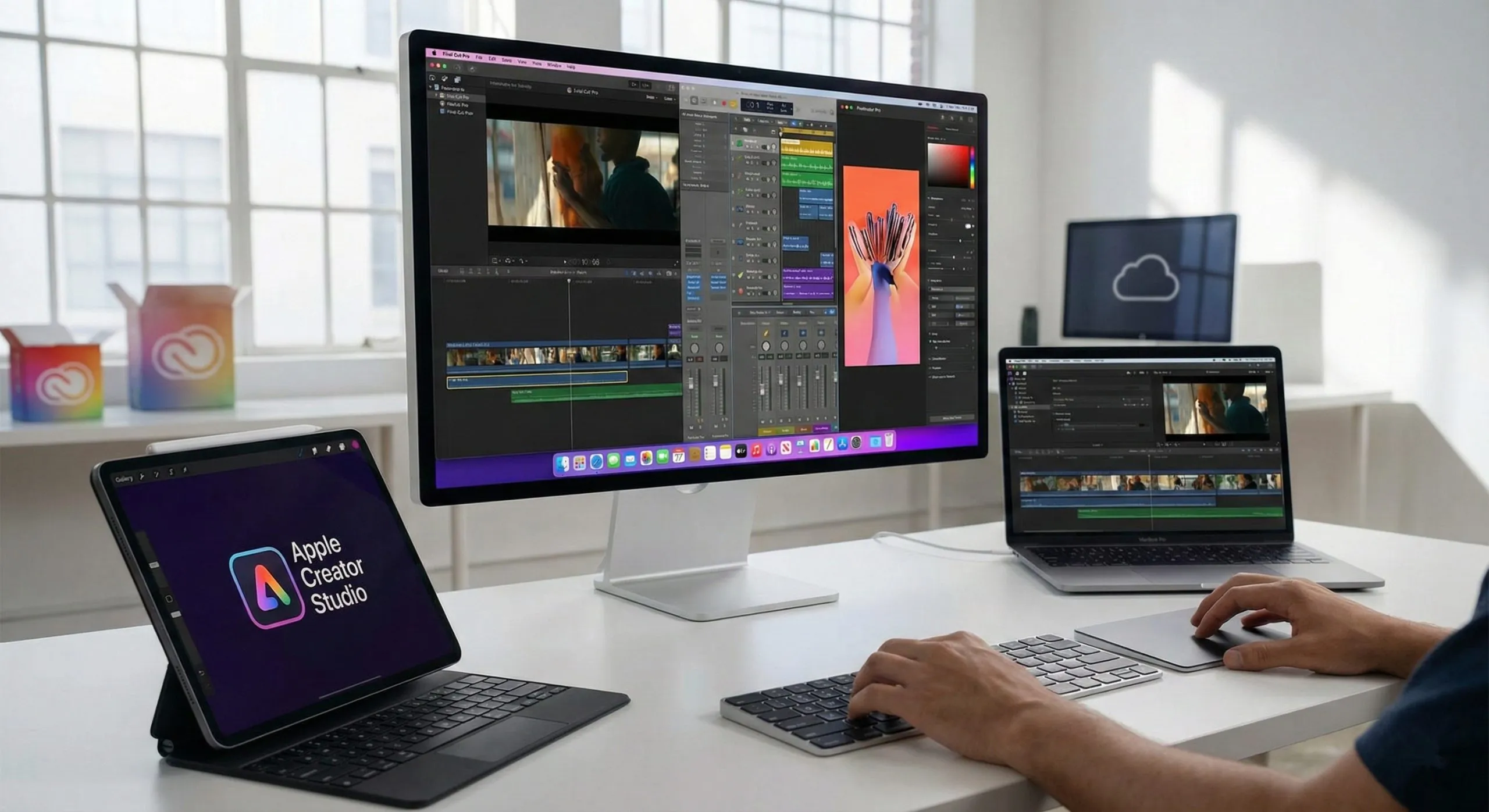
When a major technology company introduces a service that blends advanced artificial intelligence with everyday creativity, it signals a shift in how users will produce and refine digital content.
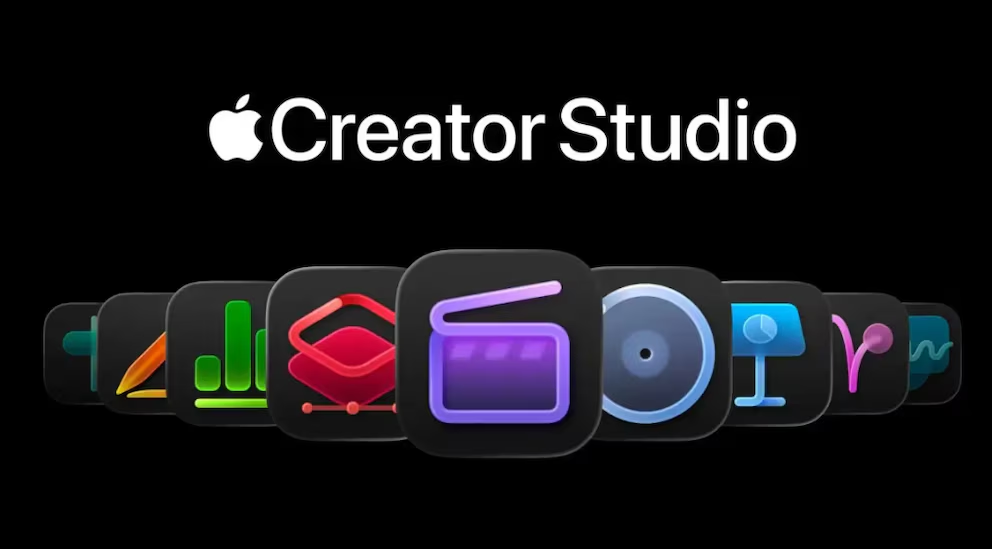
Cupertino, January 2026. Apple has unveiled a new subscription service for Mac and iPad users that combines traditional creative tools with a suite of artificial intelligence-enhanced editing capabilities. The offering, designed to appeal to professionals and casual creators alike, integrates machine learning features directly into familiar applications, allowing users to streamline workflows, automate complex tasks and elevate the quality of their output without needing specialist software.
The new service extends across multiple Apple platforms and centers on an AI-assisted editing environment. Users will find tools that can suggest stylistic improvements, automate routine adjustments and provide context-aware recommendations. For example, in text and document editing, the system can propose rewrites, correct tone and improve clarity based on user intent. In visual media applications, algorithms can adjust lighting, refine compositions and isolate elements for targeted edits without requiring manual masking. These features are designed to work intuitively alongside traditional user controls rather than replacing them.

According to Apple’s product teams, the service leverages on-device processing in combination with cloud-based compute resources to balance performance with privacy protections. On-device processing helps maintain responsiveness and keeps sensitive content local to the user’s hardware, while cloud integration offers additional compute power for more intensive tasks. Apple’s approach reflects an ongoing industry emphasis on privacy-preserving AI, aiming to deliver intelligent features without compromising user data.
The subscription model provides access to a suite of applications and services rather than a standalone product. Subscribers will receive regular updates, new AI tools as they are developed, and enhanced integration between apps on Mac and iPad. Cross-device continuity, a hallmark of the Apple ecosystem, allows users to begin a project on an iPad and complete it seamlessly on a Mac, with AI features adapting to each platform’s capabilities.
Industry observers see the introduction of this service as part of a broader trend in personal computing, where machine intelligence moves from experimental features into core productivity workflows. In recent years, creative professionals have increasingly relied on third-party plugins and external applications to augment their work with AI. Apple’s offering seeks to unify these capabilities within its own ecosystem, reducing friction and simplifying the learning curve for users who may have been hesitant to adopt standalone machine learning tools.
For educators and students, the potential for AI-assisted editing could reshape how assignments are created and refined. Tools that suggest structural improvements in text or propose alternative phrasing can serve instructional roles, helping learners understand language patterns and editorial decision-making. Visual editing aids may also support creative courses, enabling students to focus on conceptual development without being encumbered by technical barriers.

The service arrives as companies across the technology sector compete to embed AI into their core products. Some competitors have emphasized generative capabilities that produce content from scratch, while others focus on analytical tools that extract insights from data. Apple’s strategy appears to prioritize augmentation rather than automation, enabling users to retain control over creative decisions while benefiting from suggestions and enhancements powered by machine intelligence.
Privacy advocates have noted that offering sophisticated AI features within a controlled ecosystem may have advantages in terms of data governance. Because Apple emphasizes local data processing and hardware-level protections, the risk of sensitive content being exposed to external servers is reduced compared with some services that rely primarily on third-party cloud platforms. At the same time, the reliance on cloud compute resources for heavier tasks highlights ongoing trade-offs between performance and privacy that companies must manage.
Adoption of the subscription service will depend in part on how users perceive the practical value of integrated AI tools. For professionals who already use specialized software, the questions will focus on whether the new features can meet industry standards for precision and control. For casual creators, ease of use and clear improvements in productivity will be central to subscription uptake. Apple’s pricing strategy will also influence adoption, as it positions the service relative to existing creative suites and standalone AI editing tools.
The rollout will likely accelerate conversations about how intelligent features should be integrated into everyday software. As machine learning models become more capable and more deeply embedded, expectations about what users can accomplish with minimal training will rise. This shift raises questions about skill development, the nature of creative work and the boundaries between human intent and algorithmic suggestion.

Critics and advocates alike note that while AI can streamline many aspects of editing and creation, it does not replace the need for human judgment. Effective communication, artistic vision and critical thinking remain central to the creative process. The tools introduced by Apple aim to amplify these human strengths rather than substitute for them, providing assistance while leaving final decisions in the hands of the user.
As this subscription service becomes available in early 2026, observers will be watching user feedback, industry uptake and competitive responses. The interplay between intelligent technology and human creativity is still unfolding, and each new development contributes to a broader understanding of how people will work, express themselves and solve problems in the digital age.
Behind every data point, the intention.
Detrás de cada dato, la intención.