

 Phoenix 24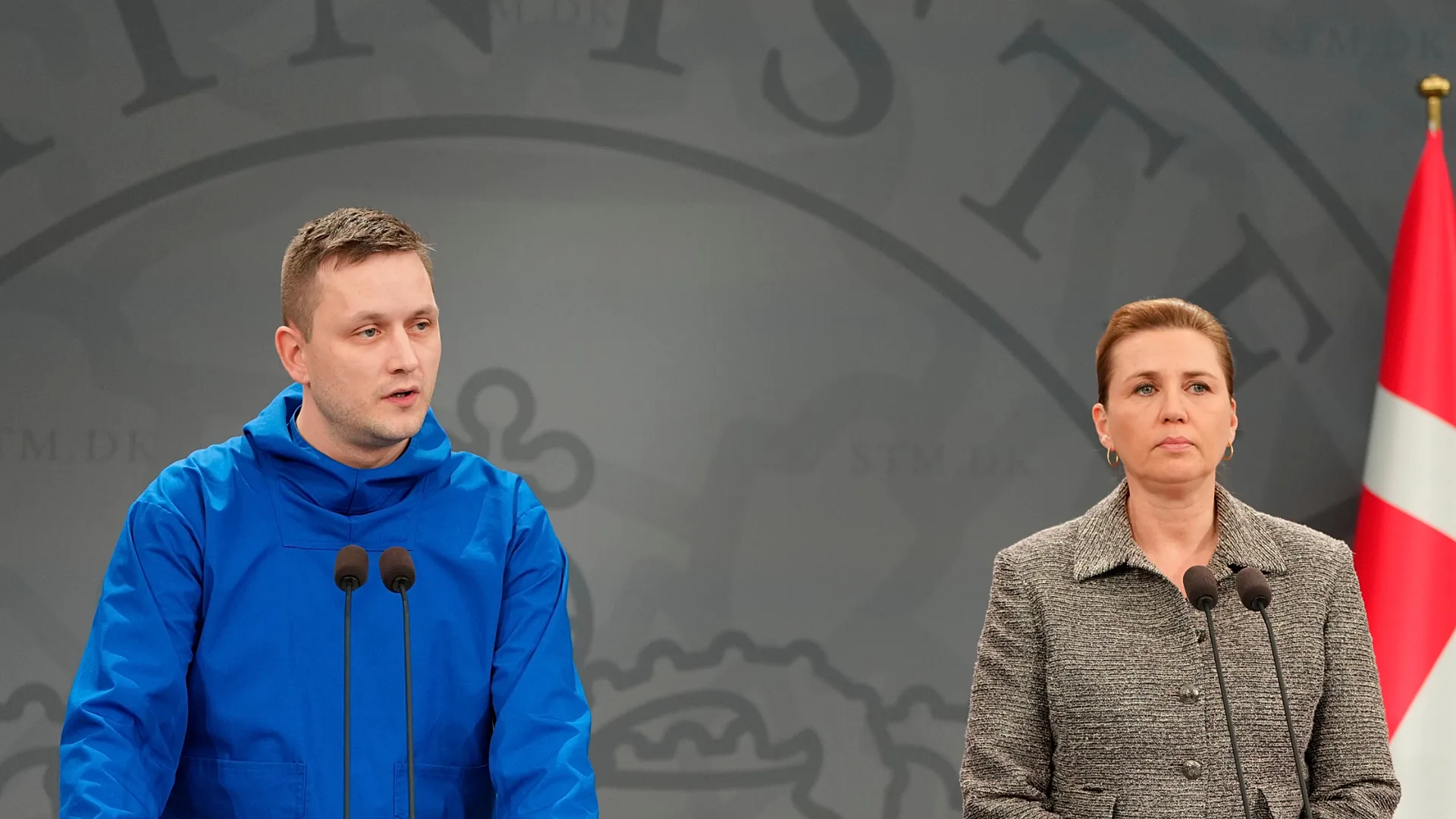
When strategic geography meets domestic politics, diplomatic engagements often carry messages that extend far beyond protocol.
Washington, January 2026. The United States government has announced that senior representatives from Denmark and Greenland will be received in Washington for high level meetings with U.S. officials, a diplomatic engagement that coincides with a period of heightened rhetoric and strategic signaling from the U.S. president toward both allies and rivals. The visit underscores the growing importance of Arctic geopolitics, transatlantic ties and intra Western cooperation at a time of competing global interests.
Officials from Copenhagen and Nuuk are scheduled to engage with their American counterparts in discussions spanning security cooperation, economic partnerships and collaboration in science and technology. The timing of the meetings reflects an intensifying strategic focus on the Arctic region, where melting ice, new shipping routes and rich mineral resources have elevated geopolitical stakes for both NATO partners and near Arctic states.
For Denmark and Greenland, whose constitutional arrangements link Greenland’s external relations to the Kingdom of Denmark while granting Nuuk increasing autonomy over its internal affairs, the U.S. visit offers an opportunity to solidify bilateral links and clarify strategic intentions. This comes amid broader debates in Europe and North America about how best to respond to external pressures from major powers seeking influence in the High North.
At the same time, the visit unfolds against a backdrop of robust public statements by the U.S. president about national power, global influence and the role of the United States in shaping international outcomes. The president’s recent remarks, which have included renewed assertions of American strength and criticism of geopolitical rivals, have drawn attention for their tone and implications for alliance dynamics.
Washington’s renewed emphasis on Arctic engagement aligns with long standing strategic interests. The region’s evolving security environment, shaped by increased activity from Russia and economic initiatives from China, has prompted NATO members and partner states to reassess their defense postures and cooperative frameworks. For Denmark and Greenland, closer coordination with the United States offers a means of reinforcing deterrence and aligning policies on maritime security, search and rescue capabilities and infrastructure development.
The U.S. Department of State signaled that the upcoming meetings would address not only traditional security topics but also economic and environmental cooperation. Greenland’s abundant natural resources, including rare earth elements and potential critical mineral deposits, have drawn international interest as countries seek to diversify supply chains and reduce dependency on single sources. Both American and Danish officials have highlighted the potential for responsible development that balances economic opportunity with environmental stewardship and respect for local communities.
In addition to bilateral dialogues, observers expect that the visit will touch on regional coordination mechanisms involving Arctic Council members and other stakeholders. The United States, Denmark and Greenland share an interest in maintaining a stable and rules based Arctic order, even as they recognize that differing priorities and diplomatic approaches can complicate multilateral efforts.
The context of the visit is shaped not only by Arctic dynamics but by broader strategic competition. As great power rivalry extends into multiple theaters, from the Indo Pacific to the Middle East, the High North has become part of a wider chessboard of influence. Engagements such as the upcoming Washington meetings signal to allies and competitors alike that relationships and commitments remain active, even as rhetoric on power and influence intensifies.
European capitals have generally welcomed deeper cooperation between European states and the United States in Arctic affairs, while urging that such efforts be grounded in long term strategic thinking rather than short term political calculation. Analysts in both Europe and North America note that alliance cohesion in high stakes environments requires clear communication, mutual respect and shared assessments of risk.
For Denmark and Greenland, whose geopolitical significance has risen with the strategic prominence of the Arctic, participation in these talks reflects a recognition that their voices matter in discussions about regional futures. Nuuk’s growing autonomy and Copenhagen’s role in transatlantic security position both as interlocutors capable of shaping outcomes that affect not only their immediate region but broader alliance strategies.
In Washington, U.S. officials have framed the visit as part of a continuous process of engagement with partners who share common interests in defense, economic resilience and environmental protection. While the specifics of the agenda remain diplomatic in tone, the broader significance lies in reaffirming commitments at a time when global competition for influence shows no signs of abating.
The interplay between public rhetoric on national power and concrete diplomatic engagement illustrates how foreign policy operates at multiple levels simultaneously. Speeches and statements shape perceptions. Meetings and agreements shape commitments. Together, they form a pattern in which alliances are tested, reaffirmed and adapted to new strategic realities.
Truth is structure, not noise.