

 Phoenix 24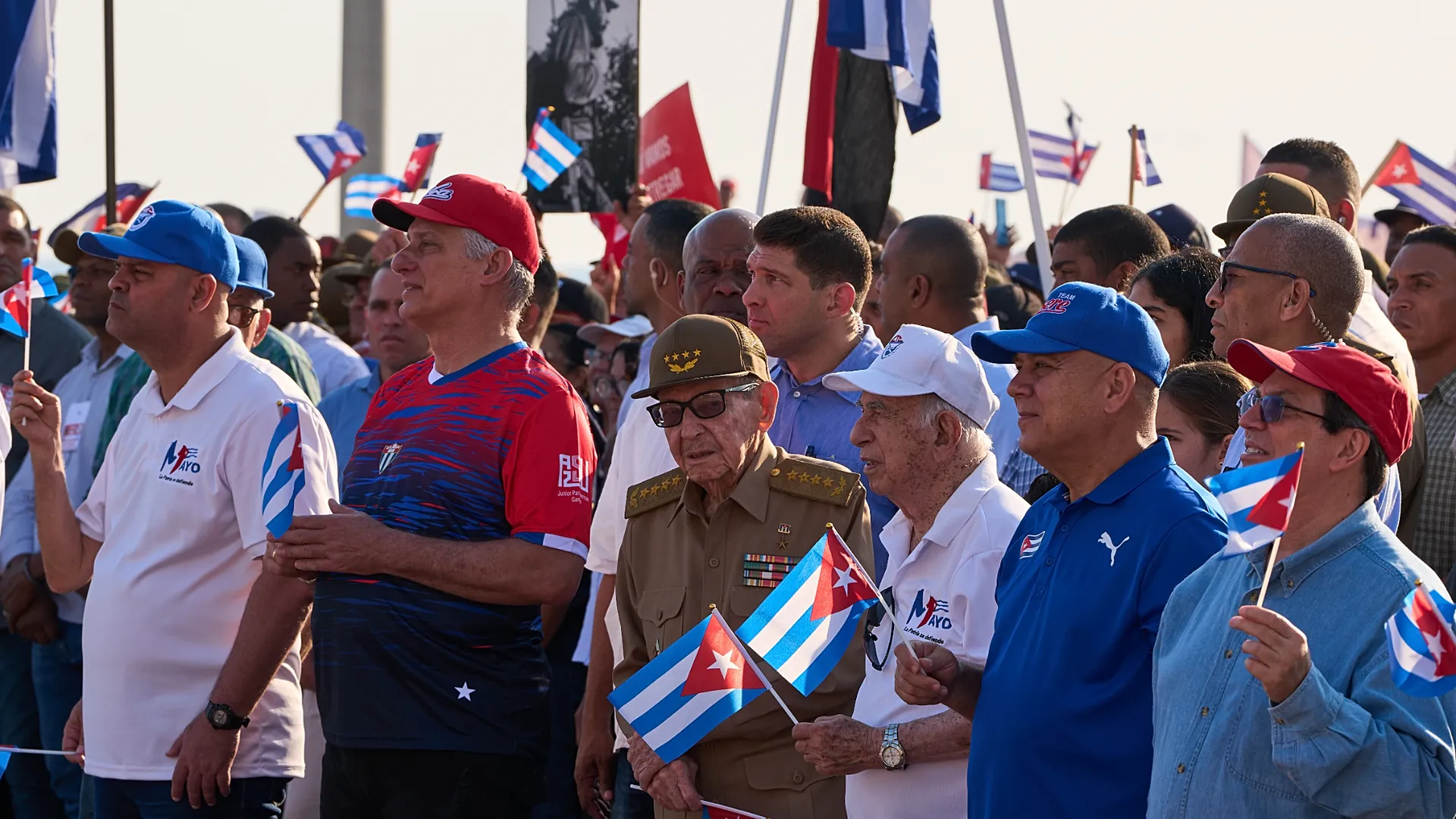
The Caribbean is entering a new stage of strategic tension.
Havana, May 2026. Cuban President Miguel Díaz-Canel warned that any military action by the United States against Cuba would provoke “a bloodbath with incalculable consequences,” escalating rhetoric after reports alleging that Havana has acquired hundreds of military drones with support linked to Russia and Iran. Cuban authorities insist the island has no aggressive plans, but argue it possesses the legitimate right to self-defense under growing pressure from Washington.
The confrontation intensified after U.S. media reports claimed Cuban military officials had discussed possible drone operations against strategic American targets, including the naval base at Guantánamo Bay and nearby military assets. Havana rejected the accusations as fabricated or manipulated narratives designed to justify further sanctions or a possible intervention scenario.
Díaz-Canel framed the situation as part of a broader “multidimensional aggression” against Cuba, pointing to sanctions, energy restrictions and political pressure from the United States. Cuban officials argue the island is enduring severe shortages, blackouts and economic destabilization while simultaneously facing intensified surveillance and hostile rhetoric from the United States.
The drone issue has transformed what was already a fragile bilateral relationship into a regional security crisis. Intelligence concerns inside Washington increasingly focus on asymmetric warfare capabilities near U.S. territory, especially after reports suggesting Iranian military advisers may have operated in Havana. While American officials reportedly do not consider an attack imminent, the perception of a new military capability only ninety miles from Florida has dramatically raised tensions.
At the same time, Cuba has intensified internal military preparedness and civil defense messaging. Authorities have reinforced the doctrine of “War of All the People,” a long-standing Cuban strategy centered on territorial resistance and mass mobilization in the event of invasion. The government’s language suggests that deterrence now depends as much on psychological signaling as on military hardware itself.
The deeper danger is not only military confrontation, but strategic miscalculation. Drones reduce reaction times, amplify uncertainty and make symbolic escalation easier to trigger. In that environment, accusations, reconnaissance flights and political rhetoric can rapidly become operational realities.
Phoenix24: inteligencia para audiencias libres. / Phoenix24: intelligence for free audiences.