

 Phoenix 24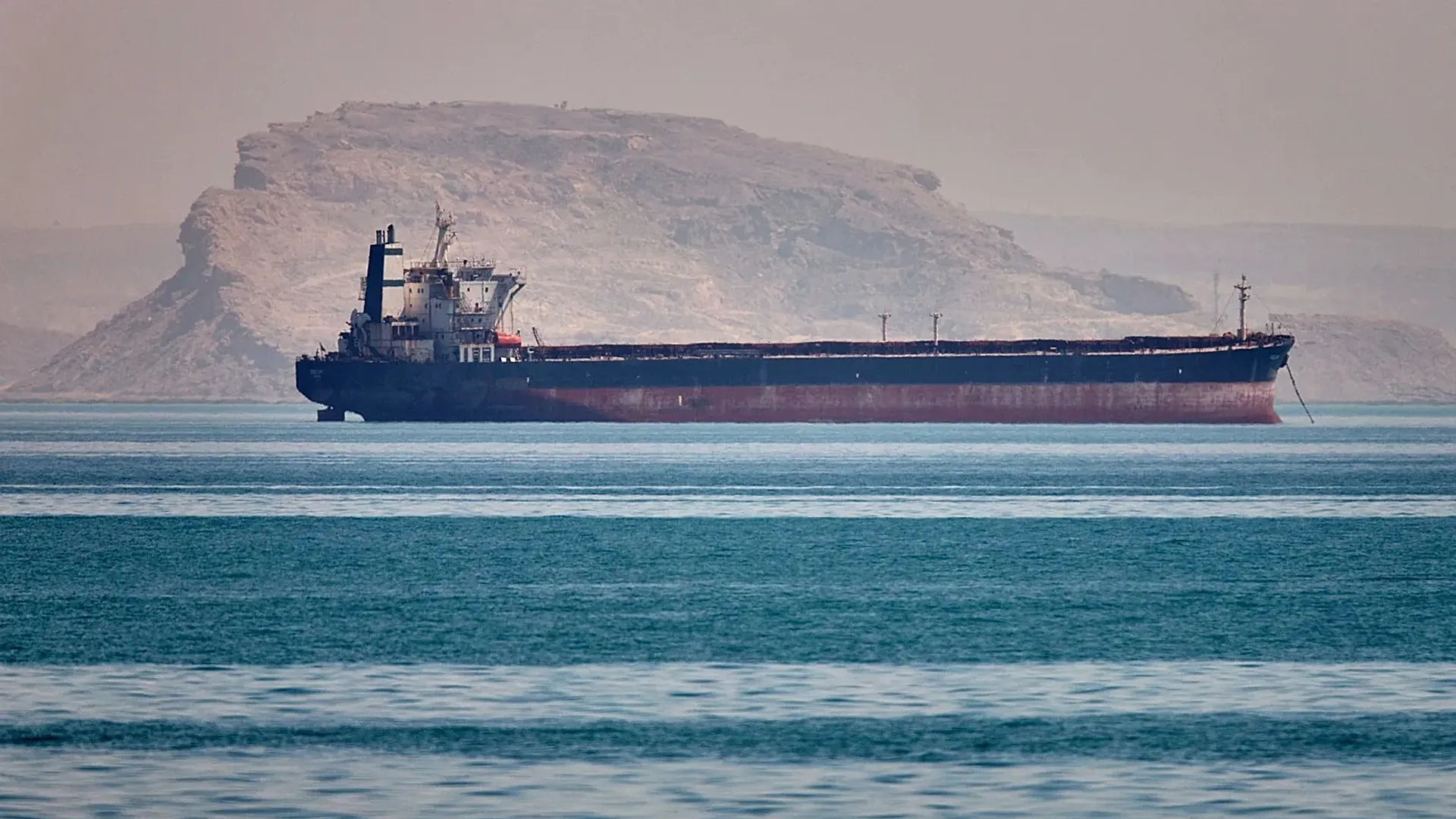
Global trade routes are becoming instruments of pressure.
Tehran, May 2026. Iran has moved to formalize control over maritime traffic in the Strait of Hormuz through a new transit authority designed to regulate vessel passage and potentially charge ships for crossing one of the world’s most critical energy chokepoints. The measure marks a major escalation in Tehran’s effort to transform geographic leverage into economic and geopolitical power.
The newly created Persian Gulf Strait Authority would oversee authorization procedures, documentation and coordination for vessels navigating the strait. Iranian officials and state-linked media have suggested that ships seeking passage may need to comply with new transit protocols and pay associated fees. Analysts warn that the initiative effectively turns Hormuz into a controlled maritime gateway operating under Iranian strategic conditions.
The Strait of Hormuz carries roughly a fifth of global oil and gas shipments, making any disruption or additional cost immediately relevant to energy markets, insurance premiums and international shipping logistics. Even the perception of instability in the corridor can trigger price volatility across fuel, transport and industrial supply chains.
The legal dimension is equally explosive. Maritime law specialists argue that international straits cannot be subject to arbitrary tolls or restrictions on transit passage. Iran, however, disputes aspects of that framework and insists it has sovereign authority to regulate movement through waters bordering its territory.
The timing reflects broader regional instability following months of confrontation involving Iran, the United States and Israel. Shipping routes through Hormuz have already faced interruptions, military threats and selective transit permissions for certain countries. The emerging system therefore appears less like a bureaucratic reform and more like an attempt to institutionalize geopolitical filtering inside a global trade artery.
For the international economy, the danger is not limited to higher transit costs. The deeper shift is conceptual. Maritime corridors once treated as neutral infrastructure are increasingly becoming tools of negotiation, retaliation and strategic hierarchy. In Hormuz, geography is no longer only a map feature; it is leverage converted into policy.
Más allá de la noticia, el patrón. / Beyond the news, the pattern.