

 Phoenix 24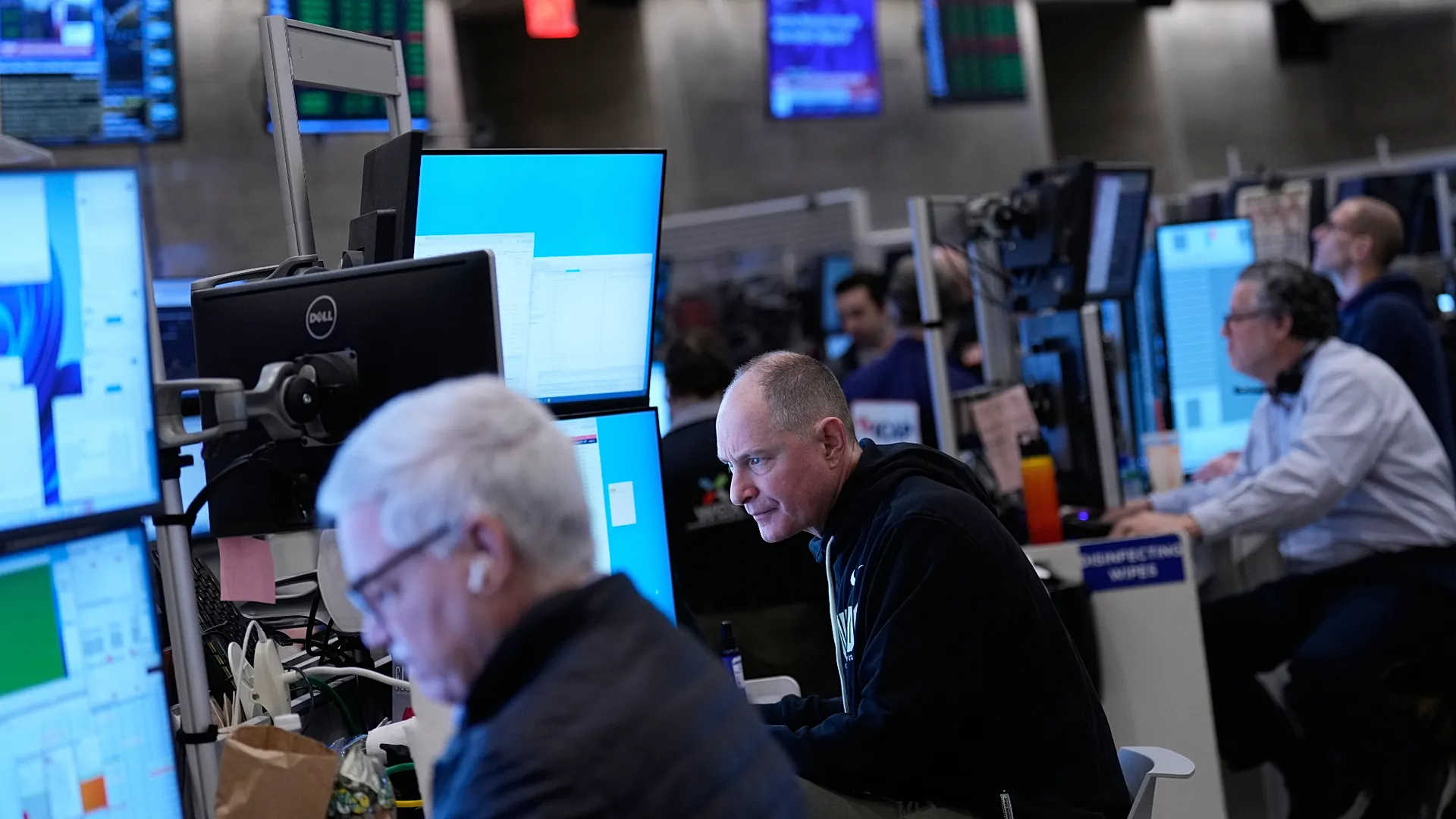
When trust in monetary authority begins to crack, precious metals return to their old role as shelters of value.
New York, January 2026. Gold and silver prices surged sharply in global markets after expectations grew that the United States could shift its monetary stance following signs of instability around Jerome Powell’s position at the head of the Federal Reserve. The jump in prices reflects not only anxiety over a possible change in leadership at the central bank, but also a broader reading of interest rate stability and the global perception of financial risk.
The link between monetary authority and precious metals runs deep in economic history. When central banks lose clarity, investors tend to move toward assets long seen as stores of value: gold and silver. That pattern intensified after uncertainty around the Federal Reserve triggered heavier buying of metals by investment funds, central banks and private holders across the United States, Europe and Asia, pushing prices upward.
In the latest trading sessions, gold reached levels not seen in months, leading the rush toward safe assets. Silver, closely tied both to industrial demand and to financial sentiment, followed with an even sharper rise, extending its recovery after a period of sustained volatility.
This movement is partly explained by mixed signals coming from the US economy. While some indicators point to moderate slowing, others suggest that inflation may not fall as quickly as markets expected at the end of 2025. In that context, Powell’s future at the Fed has become a central source of uncertainty. The idea of his possible departure strengthened defensive strategies among fund managers and market participants.
From Europe, analysts at major multinational banks stressed that the current global environment of high interest rates and persistent geopolitical risk makes precious metals especially attractive for those seeking protection against currency erosion. In Latin America, where gold and silver have long held cultural and economic importance, the reaction has also been strong. Regional banks and funds have increased positions, anticipating capital flows from more developed economies.
Physical demand has also mattered. Retail purchases of gold and silver bars and coins rose in Asian markets, especially in India and China, where traditions of investing in precious metals remain deep. In those economies, gold is not only a financial hedge but also part of household savings culture.
Market reactions were not limited to metals. US Treasury bonds showed fluctuations, especially in longer maturities, as investors considered how a change at the Fed could reshape expectations for interest rates. So called safe currencies also moved against the dollar, reflecting a search for assets seen as less exposed to shifts in US monetary policy.
Some economists warned that the rise in metals could prove temporary if the Fed maintains its current course and if inflation continues to ease in coming quarters. Under that scenario, the appeal of precious metals as a refuge could fade compared with higher yielding assets such as equities in cyclical sectors or high grade corporate bonds.
Yet the strength of the initial reaction suggests that global markets sense a moment of transition. Multilateral financial institutions have recently emphasized in rotating reports that central bank credibility is essential for market stability. When that credibility is questioned, traditional shelters regain importance almost automatically.
The Fed’s own narrative is part of this effect. Any hint that its leadership or strategy could change has a direct impact on investor behavior. In markets that operate around the clock and feed on real time news, perception can be as powerful as economic fundamentals.
In that sense, recent fluctuations respond not only to the possibility of a change at the top of the Federal Reserve, but to a wider doubt about how major economies manage the balance between growth and price stability. Metals that historically served as protection against inflationary pressure are again being read as safe, even when inflation is not out of control but simply uncertain.
Investment in gold also carries a geopolitical dimension. In periods of tension among major powers or of doubt about traditional financial institutions, the metal regains part of its strategic role. Ongoing trade disputes between economic blocs, pressure on supply chains and technological rivalry across regions all feed a climate in which classic refuges regain space in portfolios.
What began as a tactical move in response to uncertainty around the Fed has become a broader phenomenon. Financial markets, monetary policy debates, regional investment strategies and cultural habits of saving now converge around a single reading: when monetary authority appears unstable, precious metals come back to life.
Hechos que no se doblan.
Facts that do not bend.