

 Phoenix 24
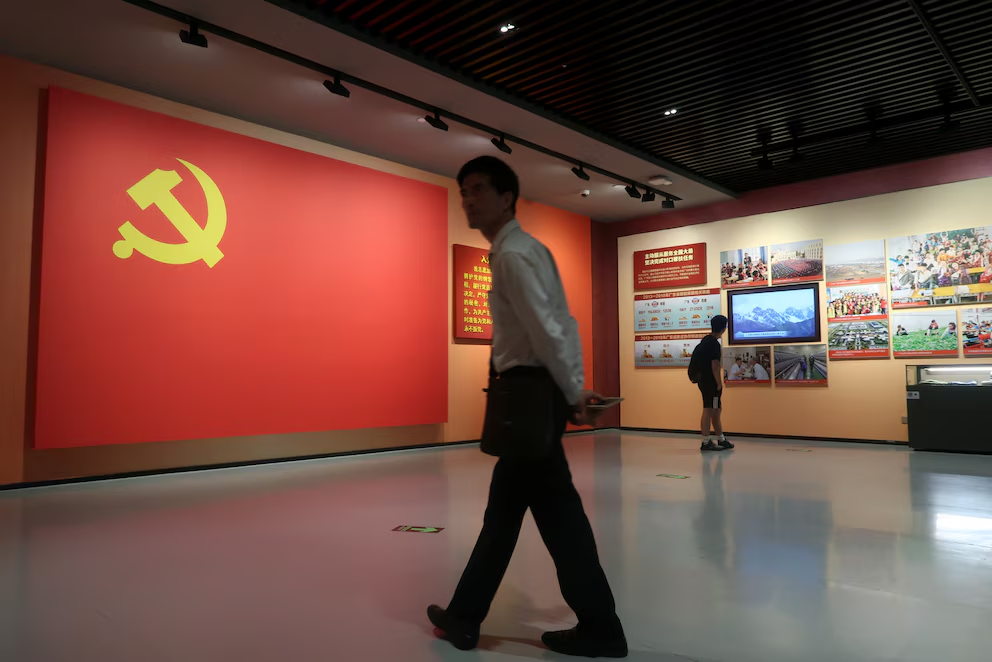
Cultural ambition can expand rapidly in times of prosperity, but it is tested most severely when liquidity recedes.
Beijing, January 2026.
For years, the rapid growth of private museums across China was read as a signal of cultural confidence aligned with economic ascent. Wealthy collectors, developers, and entrepreneurs invested heavily in architectural landmarks and ambitious exhibition programs, positioning these institutions as symbols of modernity and global engagement. Today, that expansion is being sharply recalibrated as financial pressure exposes structural vulnerabilities embedded in the private museum model.
The strain now affecting private museums is inseparable from broader economic headwinds. A prolonged slowdown, particularly in real estate and private investment, has constrained the financial ecosystems that sustained many of these institutions. Unlike state funded museums, private venues often relied on a narrow mix of personal wealth, property linked revenue, and corporate sponsorship. As asset values softened and capital flows tightened, those foundations weakened, leaving museums exposed to abrupt operational risk.
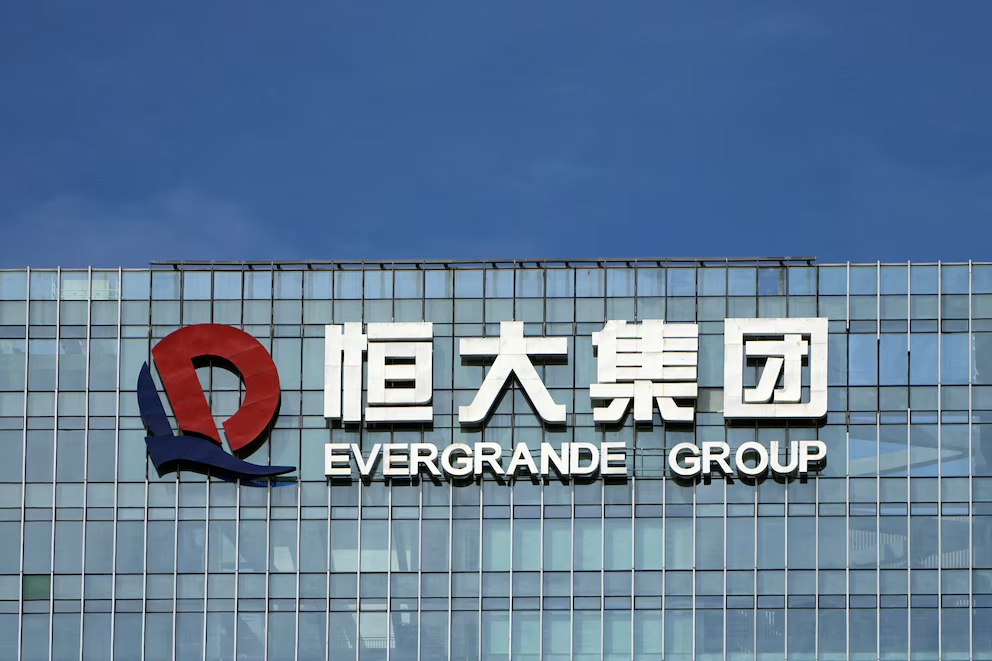
Several high profile closures and restructurings have brought the issue into public view. Institutions once celebrated for their scale and design have reduced programming, delayed exhibitions, or shut their doors entirely. Cultural analysts within China note that these outcomes are not isolated failures, but symptoms of a system built during years of abundant capital with limited emphasis on long term sustainability. When founders’ commercial ventures encountered difficulty, the cultural projects attached to them were often among the first to feel the impact.
From a governance perspective, the contrast with public museums has become increasingly visible. State supported institutions benefit from predictable budget cycles and policy continuity, even during economic downturns. Private museums, by contrast, operate without comparable fiscal buffers. In many cases, governance structures remained closely tied to individual patrons rather than diversified boards or endowment models, limiting flexibility when financial conditions changed.
The implications extend beyond balance sheets. Private museums played a central role in China’s contemporary art ecosystem, serving as platforms for experimental work, international exchange, and emerging artists. Their contraction has narrowed exhibition opportunities and reduced institutional diversity within the cultural landscape. Curators and artists have expressed concern that the retrenchment risks consolidating cultural production around a smaller number of state aligned venues, potentially constraining pluralism in artistic expression.
Observers in Europe and North America see parallels with challenges faced by private cultural institutions elsewhere. Museums in the United States and parts of Europe have also confronted rising operational costs, donor fatigue, and pressure to justify public relevance. The difference lies in institutional maturity. In Western contexts, private museums often benefit from tax incentives, endowments, and philanthropic traditions that provide some insulation during downturns. China’s private museum sector, comparatively young, has not yet developed similar shock absorbers.
Within Asia, cultural policy specialists emphasize that China’s experience reflects a transitional phase rather than a terminal decline. Private museums expanded at exceptional speed, outpacing the regulatory and financial frameworks needed to support them. As a result, the current contraction may function as a corrective cycle, forcing a reassessment of scale, governance, and mission. Some institutions have already begun exploring new models, including partnerships with universities, educational programming, and membership based revenue designed to reduce dependence on volatile sponsorship.
Internationally, the situation has drawn attention from global art networks that once viewed China as an expanding frontier for exhibitions and collaboration. Reduced budgets and closures complicate long planned cultural exchanges, affecting artists and institutions far beyond China’s borders. Cultural diplomacy, once reinforced by private museum initiatives, now faces uncertainty as partners reassess capacity and continuity.
At the policy level, debates are intensifying over the appropriate balance between state oversight and private initiative in cultural stewardship. Advocates for reform argue that clearer regulatory frameworks, limited public support mechanisms, and incentives for transparency could stabilize the sector without undermining independence. Critics counter that excessive intervention risks diluting the experimental energy that made private museums distinctive in the first place.
Public perception has also shifted. Where private museums were once associated with prestige and progress, they are now increasingly scrutinized for financial opacity and sustainability. This recalibration reflects a broader societal reassessment of wealth driven cultural projects in an era of economic uncertainty. The question is no longer how quickly such institutions can be built, but whether they can endure.
Despite the turbulence, not all signals are negative. Some private museums have demonstrated resilience by downsizing strategically rather than closing outright. Others have refocused on local audiences, educational outreach, and research driven exhibitions that require fewer resources than large scale international shows. These adaptations suggest that contraction does not necessarily imply disappearance, but transformation.
The financial crisis confronting China’s private museums thus represents a moment of reckoning. It challenges assumptions that cultural infrastructure can be indefinitely sustained by personal wealth and market momentum alone. It also opens space for institutional learning, potentially leading to models that align ambition with durability.
As China continues to navigate economic adjustment, its private museums stand at a crossroads. Their future will depend on whether they can evolve from symbols of surplus into institutions grounded in diversified support, credible governance, and long term public value. The outcome will shape not only China’s cultural landscape, but its role within the global circulation of art and ideas.
Phoenix24: claridad en la zona gris. / Phoenix24: clarity in the grey zone.