

 Phoenix 24
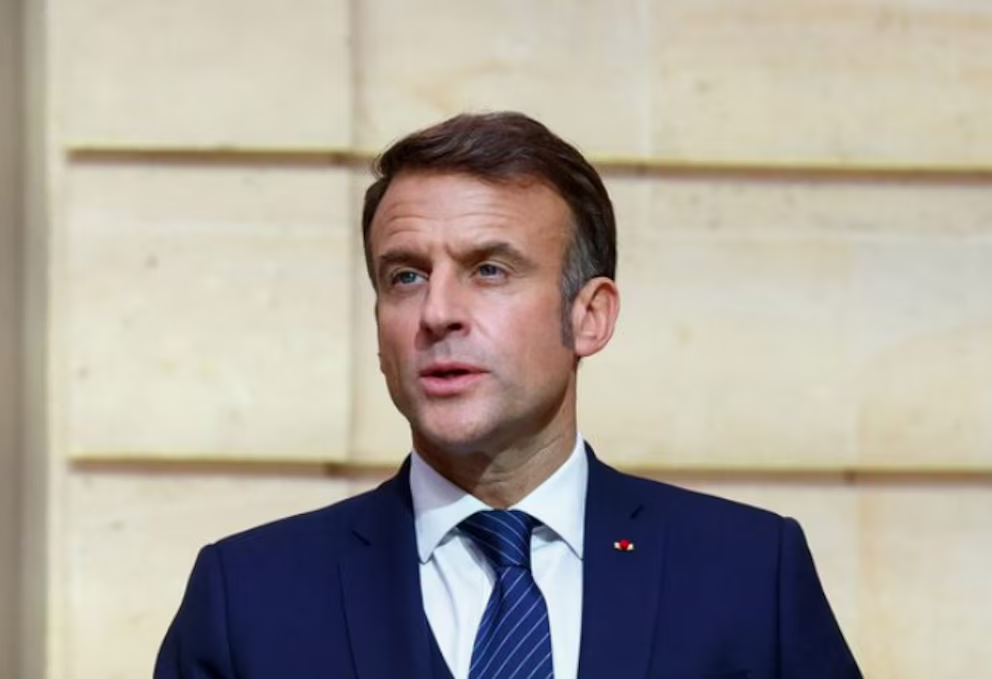
French authorities have signaled support for a prominent Venezuelan diplomat to help guide political and institutional change amid ongoing governance shifts.
Paris, France.
French officials have publicly stated their support for Edmundo González Urrutia to assume a central role in Venezuela’s political transition as the country navigates a period of leadership change and efforts to restore democratic processes. González Urrutia, a seasoned diplomat with extensive experience in international affairs, has been mentioned by French representatives as a figure capable of contributing to dialogue, institutional stability and consensus building at a moment of significant uncertainty for Venezuela’s governance. French commentary underscores the expectation that inclusive leadership and external engagement can help chart a course toward political normalization.
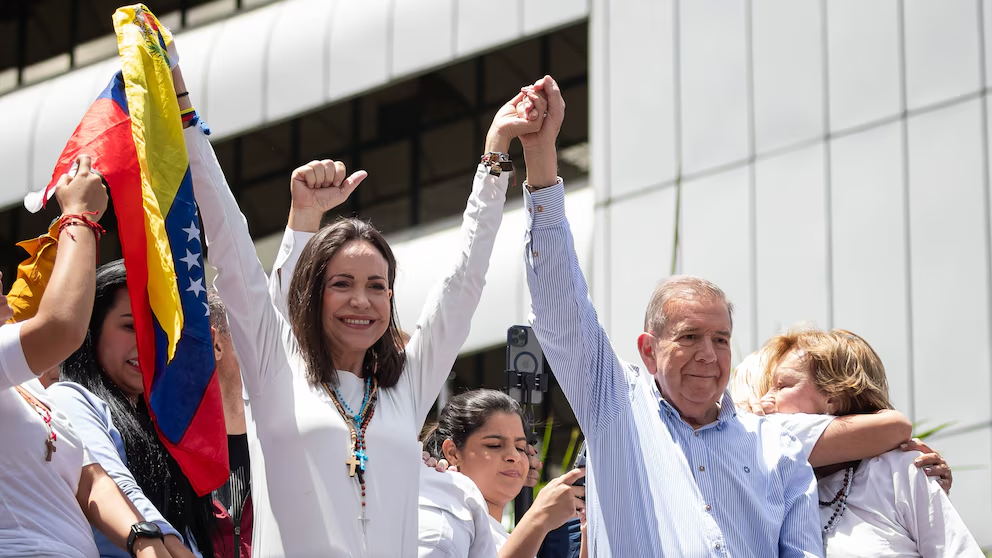
France’s position reflects broader European and international interest in developments in Venezuela, where shifts in governance structures have prompted questions about constitutional order, civil liberties and the reestablishment of dialogue among political factions. French authorities have framed their support for González Urrutia’s involvement as part of a diplomatic effort to encourage a peaceful and negotiated transition, emphasizing respect for Venezuelan sovereignty and the need for broad participation in shaping the country’s future direction.
According to statements from French diplomatic sources, González Urrutia’s expertise in diplomacy and his understanding of regional dynamics equip him to serve as a mediator or coordinator in efforts to bring together diverse political voices. In this view, an effective transition requires not only leadership recognized domestically but also engagement with international partners who can support institutional reforms, electoral credibility and human rights protections. France’s call for an elevated role for González Urrutia aligns with recommendations from some civil society groups and foreign policy analysts who advocate for experienced facilitation in transition processes.
The proposal has drawn attention from analysts who note that external endorsements of specific figures carry both opportunities and challenges. Support from influential foreign governments can provide diplomatic momentum and legitimacy for transitional leadership, yet it also raises sensitivities about external influence in domestic affairs. French officials have responded by framing their stance as an expression of support for Venezuelans’ aspirations rather than an imposition of foreign will, emphasizing consultation and collaboration rather than unilateral decision making.
Within Venezuela, reactions to France’s comments vary. Political actors aligned with transitional efforts have expressed appreciation for international attention and backing, arguing that external support can reinforce internal momentum for reform. Critics, however, caution that prioritizing specific individuals risks overshadowing broader democratic processes and may inadvertently narrow the range of voices participating in transition discussions. This tension reflects longstanding debates about how best to balance international assistance with domestic agency in political transformations.
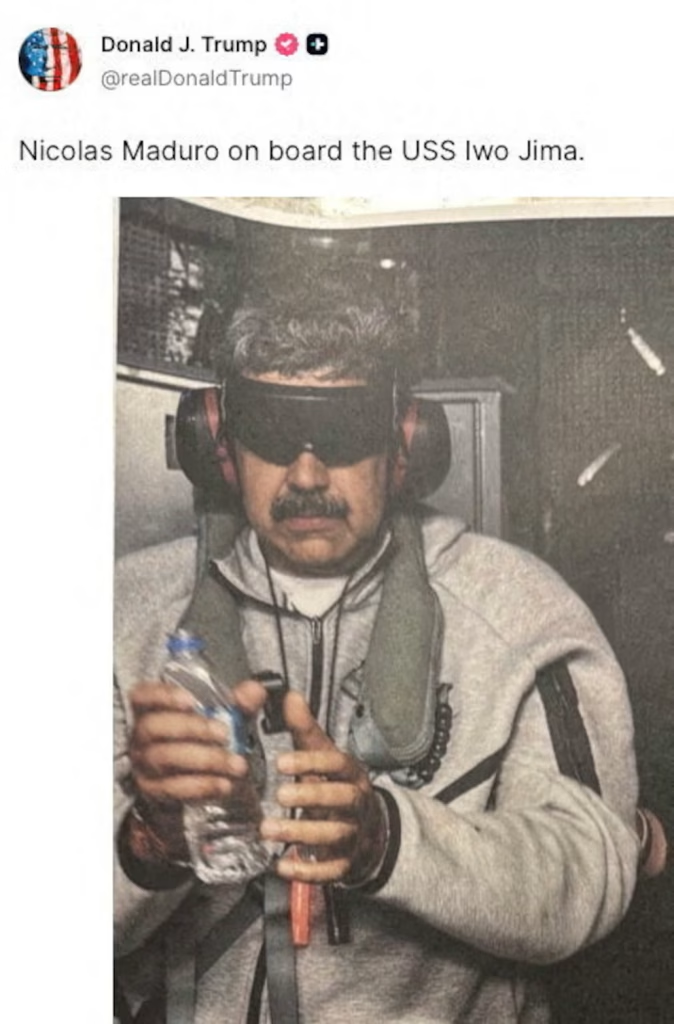
Regional responses have also entered the conversation, with neighboring countries and multilateral organizations observing the situation closely. Latin American governments that have engaged with Venezuela on migration, security and economic coordination view the transition as a key factor in stabilizing the region, and there is broad agreement on the importance of inclusive political processes. How González Urrutia’s potential role is perceived across regional capitals may influence the shape of diplomatic support and cooperation mechanisms.
France’s statement also touches on broader themes of democratic resilience and human rights, with officials reaffirming that respect for electoral integrity, freedom of expression and institutional checks and balances are essential components of a sustainable transition. In calling for a central role for González Urrutia, French authorities have cited his background in diplomacy, his network of international contacts and his familiarity with mechanisms of conflict resolution, positioning these attributes as assets in navigating Venezuela’s complex political landscape.
As discussions about transitional leadership continue, the emphasis from Paris underscores both the international dimension of Venezuela’s political evolution and the ways in which external support can intersect with internal priorities. The evolving narrative will likely involve ongoing dialogue between Venezuelan stakeholders and international partners seeking to support a transition that reflects the country’s diverse political aspirations and institutional needs.
Detrás de cada dato, hay una intención. Detrás de cada silencio, una estructura.
Behind every data point, there is an intention. Behind every silence, a structure.