

 Phoenix 24
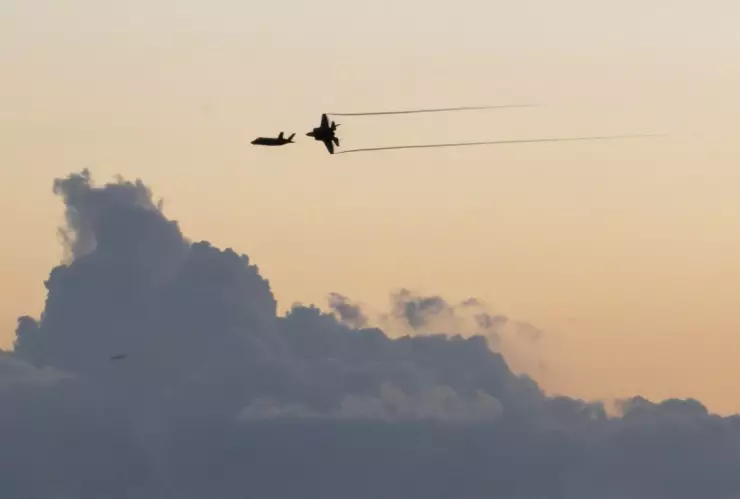
The coordinated air operation underscores ongoing international efforts to disrupt militant capabilities and prevent destabilizing activity in conflict zones.
Baghdad, Iraq.
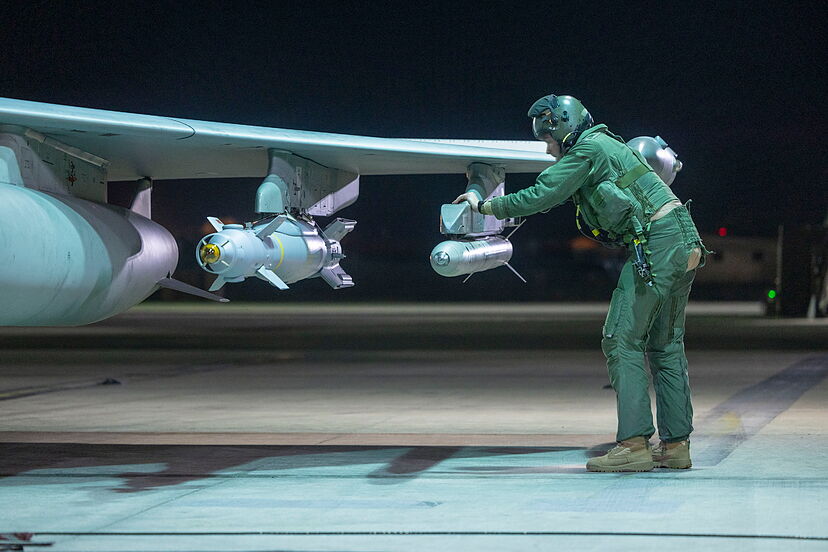
British and French combat aircraft conducted air strikes against what coalition forces described as a suspected weapons storage site linked to the Islamic State group in eastern Syria on January 4, supporting broader counter-terrorism efforts in the region. According to military statements from forces involved, the operation targeted a location believed to be used by militants to store arms and munitions that could enable future attacks or facilitate the group’s operational activities. The strikes were carried out with precision munitions, and coalition officials emphasized that civilian safety and minimization of harm were top priorities in mission planning and execution.
Details released by military authorities indicated that the site had been under surveillance for an extended period, with intelligence assessments suggesting its use for the consolidation and distribution of weapons components used by the group. The operation was framed as part of ongoing international cooperation aimed at degrading the capabilities of militant organizations that have continued to pose security threats despite territorial losses in recent years. Forces involved in the action highlighted the importance of sustained pressure on infrastructure that supports planning, logistics and execution of insurgent operations in affected regions.
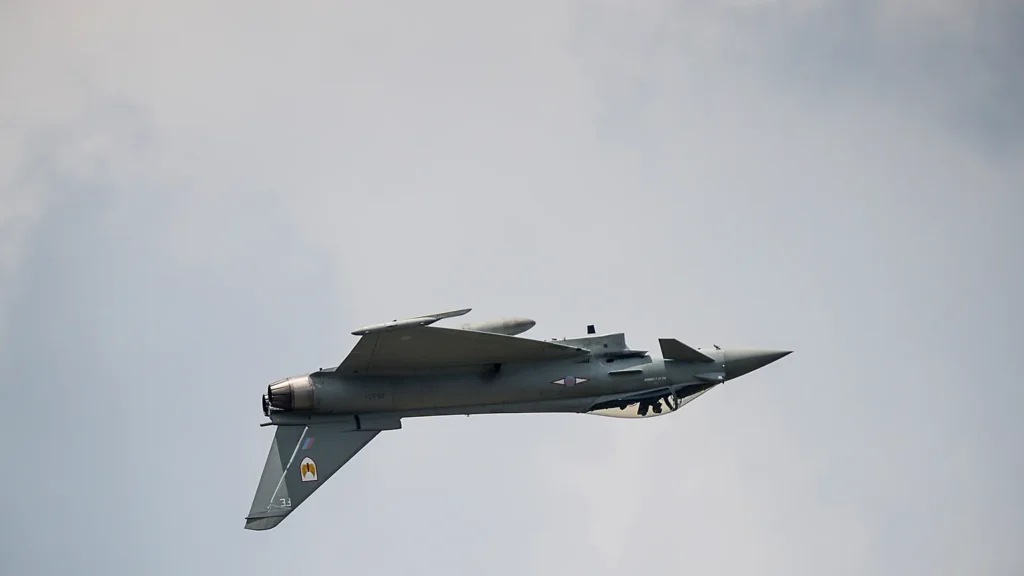
The involvement of British and French air power reflects broader commitments by international partners to contribute to security and stability in Iraq and Syria, where a patchwork of militant cells has remained active. Officials from both countries released statements affirming their resolve to prevent the resurgence of violent extremist activity, citing agreements to share intelligence, coordinate missions and align efforts with local security forces. This type of multinational cooperation forms a cornerstone of the campaign to limit the ability of militant groups to rebuild networks or reconstitute significant armed presence.
In response to the strikes, local Kurdish and Arab security elements collaborated in assessing the impacts on the ground, with initial reports suggesting damage consistent with the intended targeting of storage facilities. There were no immediate indications of civilian casualties, according to preliminary field assessments, although verification processes were ongoing at the time of reporting. Independent observers and humanitarian organizations in the area underscored the need for thorough assessments to confirm that non-combatant populations were not affected and to facilitate access for any necessary support or relief efforts.
International reactions to the operation reflect a mixture of approval for the targeted action and concern about the broader complexity of conflict dynamics in the region. Some governments and analysts have framed the strikes as a necessary component of counter-terrorism strategy, while also noting that military action alone cannot address underlying socioeconomic and political drivers that contribute to violent extremism. These perspectives point to the importance of complementary efforts in stabilization, governance support and community resilience alongside kinetic measures.
The timing of the operation occurred amid ongoing diplomatic and military engagements focused on maintaining pressure on remnants of the Islamic State group and related networks. Coalition representatives reiterated that follow-on actions may be considered if further intelligence indicates continued militant activity or preparations for future operations. The dynamic environment in eastern Syria, where various armed elements and external actors maintain a presence, continues to challenge efforts to solidify lasting security and prevent resurgence of organized violent groups.
Analysts emphasize that while such air strikes can disrupt immediate capabilities, long-term strategies require integrated approaches that combine security measures with political dialogue, reconstruction initiatives and support for local governance structures. The interplay between tactical military actions and broader stabilization efforts remains a subject of discussion among policymakers and regional stakeholders, particularly in areas marked by prolonged instability.
As coalition forces continue to monitor developments and adjust their operations, the focus remains on preventing militant actors from regaining strategic footholds or logistical capacity that could enable future violence. The strikes by British and French jets represent a continuation of that effort, illustrating how international military cooperation seeks to address evolving threats within a challenging and fluid regional context.
Detrás de cada dato, hay una intención. Detrás de cada silencio, una estructura.
Behind every data point, there is an intention. Behind every silence, a structure.