

 Phoenix 24
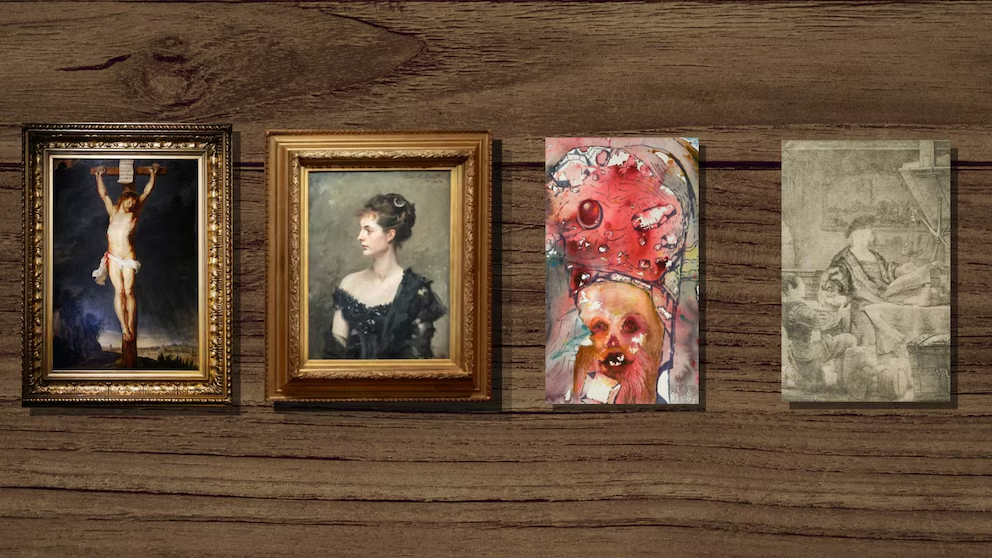
The reappearance of long-lost paintings and rediscovered pieces highlights the enduring power of art history and the complex processes that bring hidden works back into public view.
Rome, Italy.
In 2025, the art world was marked by a series of high-profile rediscoveries as previously unknown or undocumented works by historic masters surfaced in museums, private collections and archives, offering fresh perspectives on familiar oeuvres and renewing scholarly debate about artistic development, provenance and cultural heritage. The range of artists whose works emerged spanned centuries and styles, from baroque masters to twentieth-century avant-garde figures, demonstrating the continued vitality of art historical research and the unpredictability of discovery.
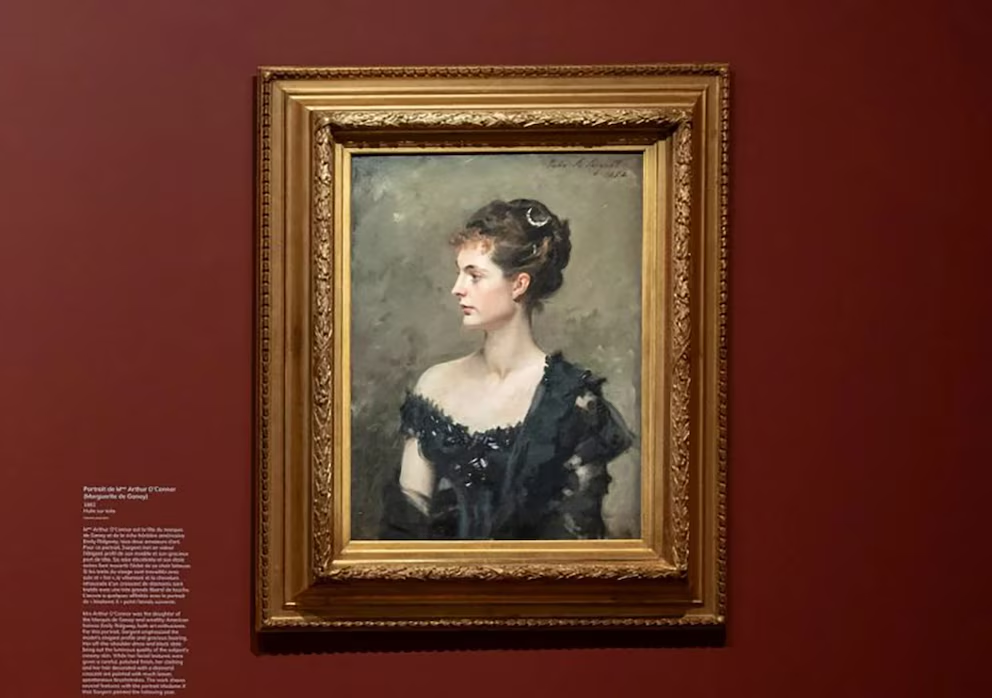
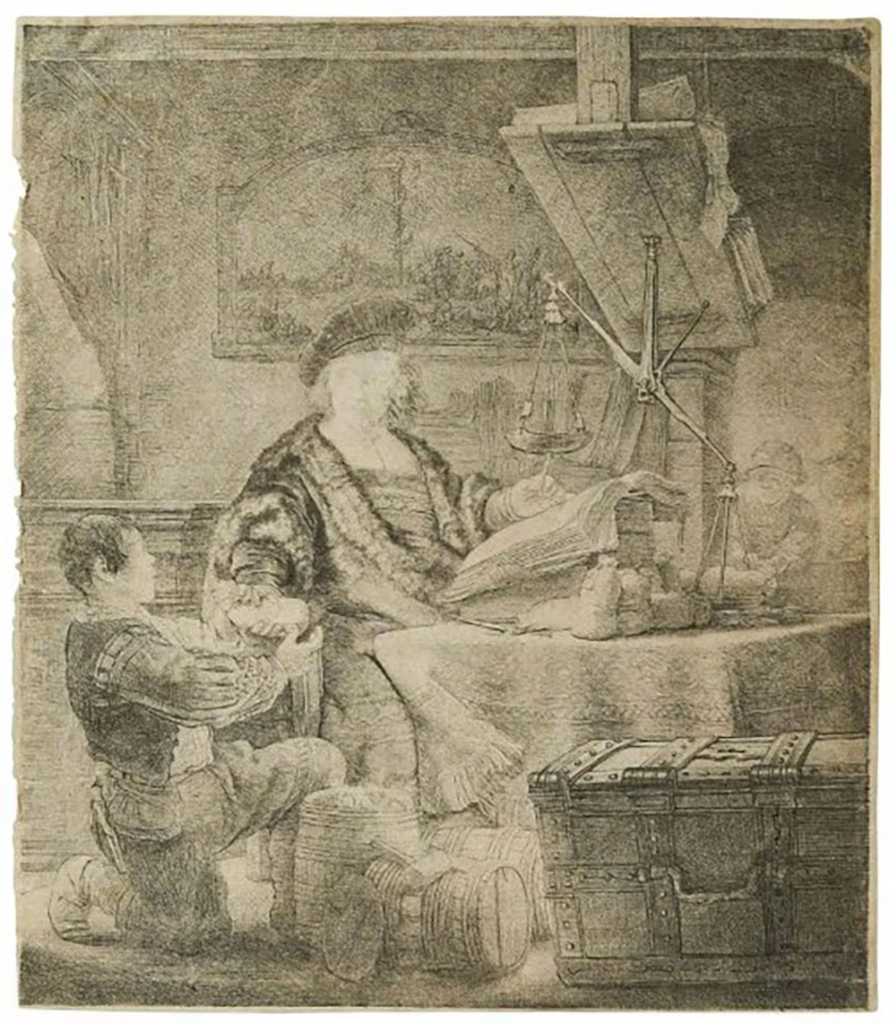
One of the most spectacular rediscoveries attributed to the baroque era involved a painting long believed lost that was authenticated as a work by Peter Paul Rubens. The piece, uncovered in a provincial European museum’s storage, underwent rigorous technical analysis including infrared reflectography, pigment comparison and archival cross-referencing with contemporaneous inventories. The authentication not only adjusted the chronology of Rubens’s stylistic evolution but also sparked renewed interest in the movement of his works across aristocratic collections in the seventeenth and eighteenth centuries.
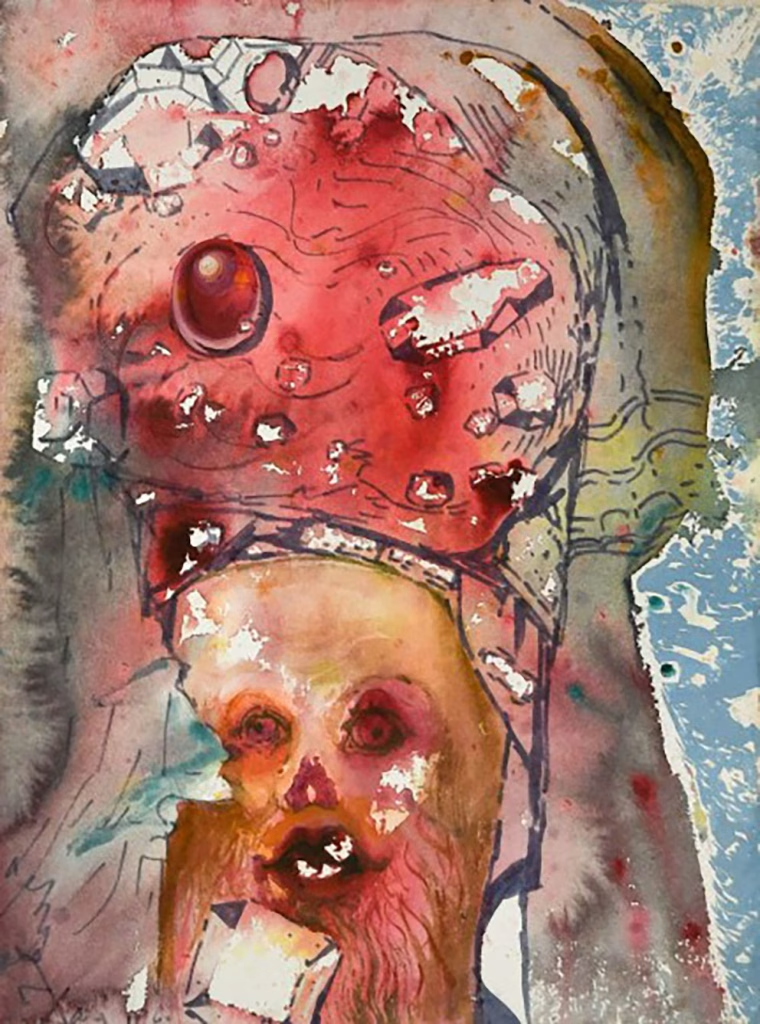
In a different register of artistic language, previously undocumented works by Salvador Dalí also captured attention. A series of surrealist sketches and mixed-media compositions, previously misattributed in private holdings, were re-evaluated by experts in twentieth-century art and confirmed as Dali originals. Their emergence illuminates lesser-known aspects of Dalí’s experimentation with symbolic motifs and offers insight into thematic arcs that bridge his early surrealist ventures with later explorations of personal iconography.
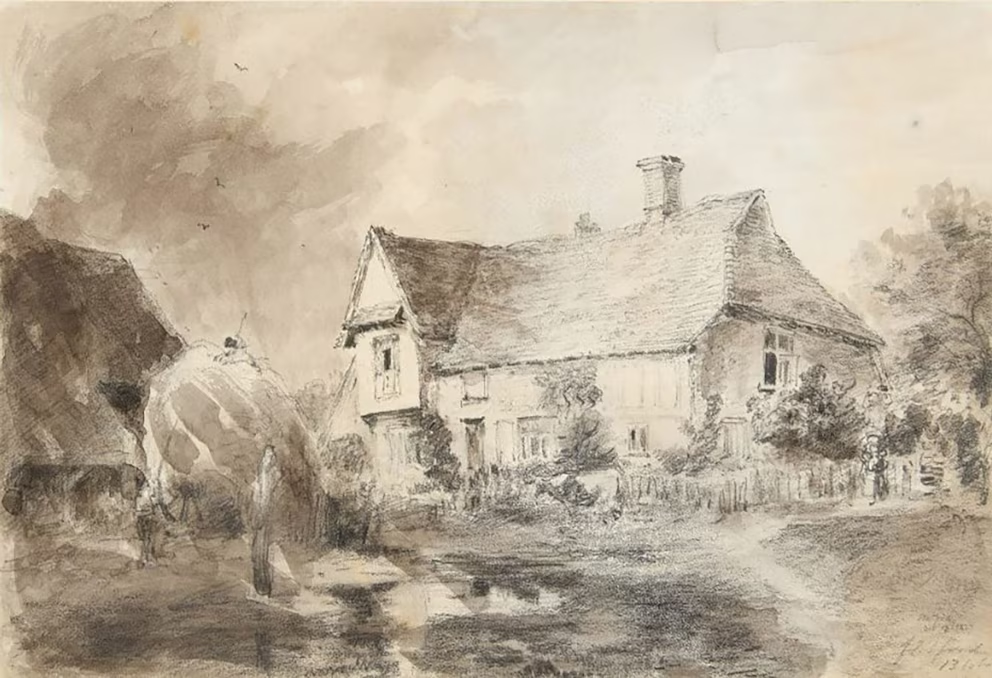
Other rediscoveries of note included drawings and preparatory studies by masters whose legacies are central to Western art history. Works that had been obscured by time, change of ownership or incomplete documentation were brought to light through dedicated provenance research, the digitisation of archives and collaborative international scholarship. These efforts not only expanded known catalogues of work but also raised questions about the historical processes that led to their obscurity in the first place, including displacement during periods of conflict, dispersion through private sale and gaps in institutional records.
The reappearance of these works generated scholarly interest that extended beyond academic journals and museum catalogues, prompting exhibitions and public programmes that contextualised the newly identified pieces within broader narratives of artistic innovation. Curators and historians emphasised that rediscoveries can recalibrate understanding of an artist’s influence, reshape interpretations of stylistic development and reveal networks of patronage and exchange previously obscured by incomplete records.
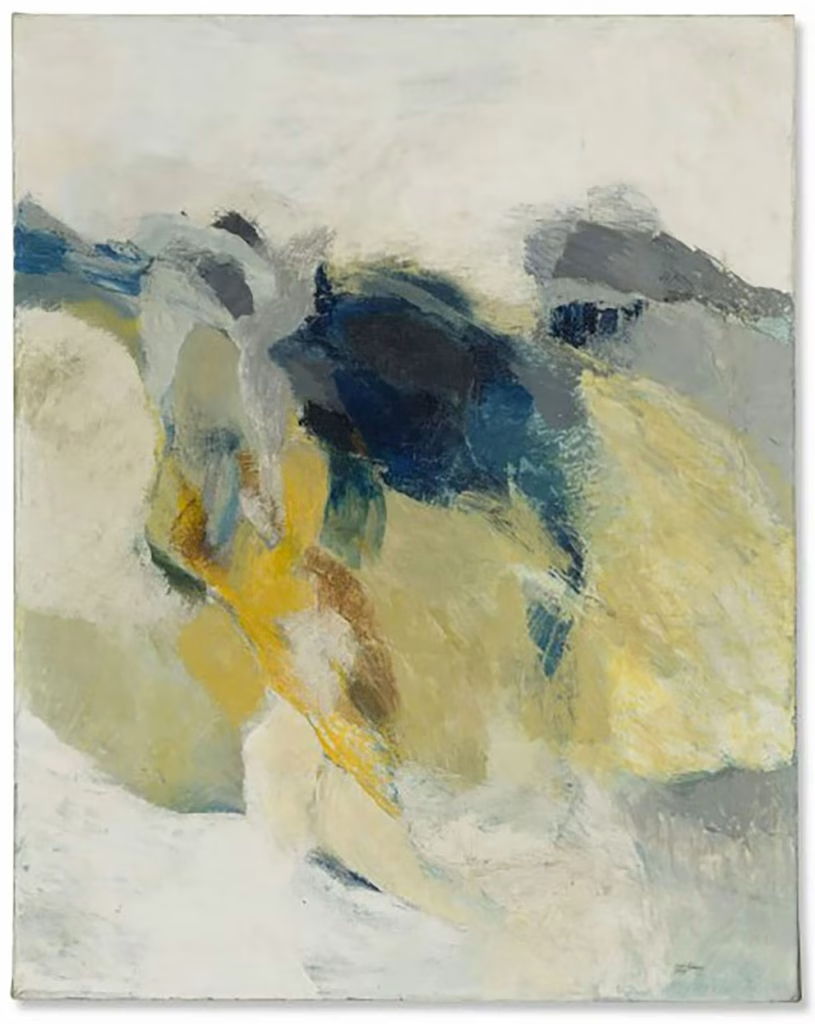
The processes that underlie such rediscoveries are often complex and interdisciplinary. Technical analysis, contextual research and provenance tracing involve collaboration among conservation scientists, art historians, archivists and legal experts. Advances in scientific imaging, database integration and international information sharing have enhanced the capacity of specialists to distinguish authentic works from misattributions or copies, even where historical documentation is fragmentary. In turn, these methodological advances have increased confidence in new attributions and enabled institutions to present rediscovered works with a high degree of scholarly rigor.
In some cases, rediscovered works challenged long-standing assumptions about artistic chronology or thematic continuity, prompting revisions in catalogues raisonnés and stimulating further research into associated bodies of work. The appearance of previously unknown pieces often serves as a catalyst for deeper inquiry into archival sources, historical contexts and the social networks that shaped artistic production. Galleries and academic institutions have responded by intensifying efforts to digitise collections and encourage public participation in identifying works that might otherwise remain hidden.
The cultural and market implications of these rediscoveries were also significant. Museums that exhibited the newly authenticated pieces reported high levels of public interest, reinforcing the notion that discovery and surprise remain powerful drivers of engagement in the visual arts. At the same time, discussions about the ethical dimensions of ownership, restitution and legal title accompanied the excitement of uncovering lost works, reflecting the broader conversation about cultural property and its movement across borders and collections.
Ultimately, the reappearance of previously unknown works by figures as diverse as Rubens and Dalí in 2025 highlights the dynamism of art history as a field of inquiry. It underscores the idea that the cultural record is not static but subject to revision and enrichment as new evidence comes to light and as methods of investigation evolve. These rediscoveries remind us that the archive of human creativity remains open to reinterpretation and that each generation of scholarship has the potential to reveal unseen facets of artistic legacy.
Detrás de cada dato, hay una intención. Detrás de cada silencio, una estructura.
Behind every data point, there is an intention. Behind every silence, a structure.