

 Phoenix 24
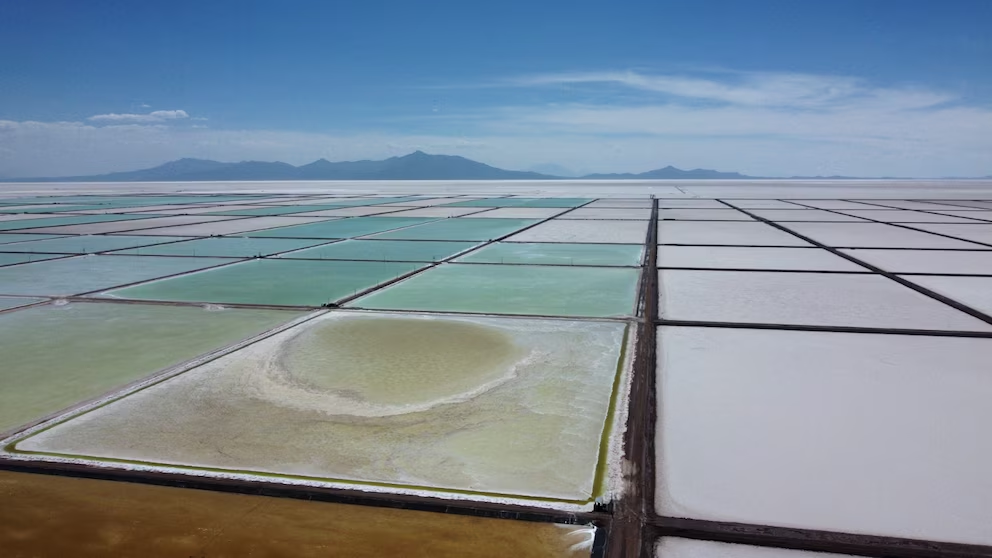
When a strategic resource lies beneath ancestral land, development becomes a question of legitimacy.
La Paz, December 29, 2025.
Indigenous communities in southwestern Bolivia have formally demanded that the government require comprehensive environmental impact studies before advancing lithium extraction projects in territories they inhabit and protect. Centered around the Uyuni salt flats, one of the world’s most significant lithium reserves, the request reflects not an outright rejection of development, but a call for governance grounded in consultation, transparency, and ecological responsibility.
At the core of the demand is water. In the high-altitude ecosystems of the Bolivian altiplano, hydrological balance is fragile and essential for community survival, agriculture, and biodiversity. Lithium extraction, particularly through evaporation-based processes, raises concerns about groundwater depletion and long-term environmental degradation. For local communities, the absence of rigorous environmental assessments is not a technical oversight but a structural risk that could irreversibly alter their way of life.
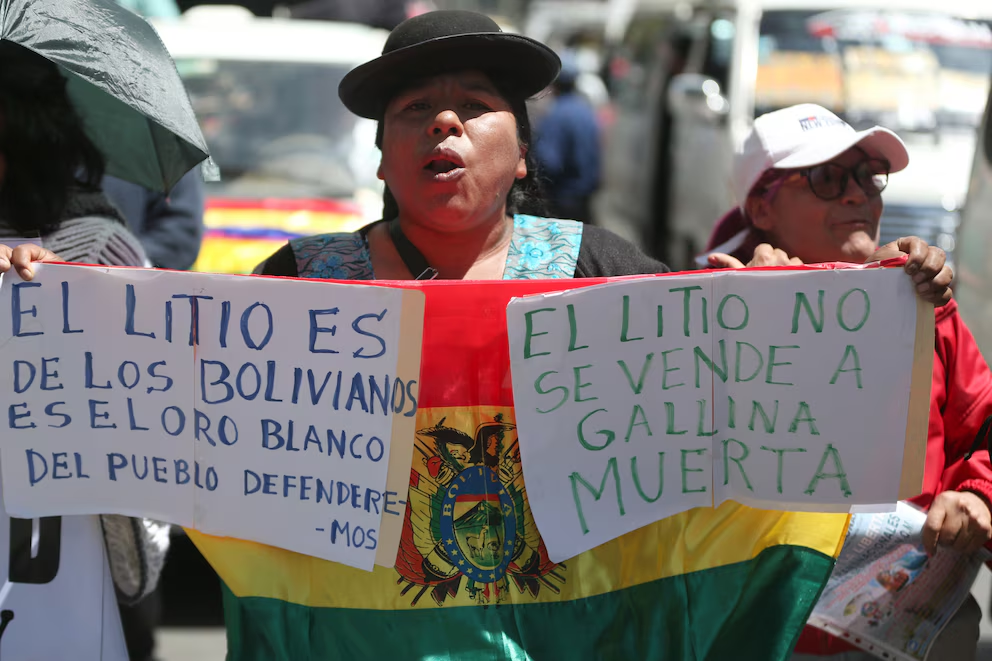
The communities’ position highlights a broader tension embedded in Bolivia’s development strategy. Lithium has been framed by the state as a cornerstone of national economic transformation and a gateway to relevance in the global energy transition. Batteries, electric vehicles, and renewable storage systems have elevated the mineral to strategic status. Yet this global demand collides with local realities, where indigenous territories have historically borne the environmental and social costs of extractive models without proportional participation in decision-making or benefits.
What is being contested, therefore, is not only extraction but authority. Indigenous leaders insist on prior, free, and informed consultation as a non-negotiable condition for legitimacy. This demand aligns with long-standing principles of indigenous rights, yet its implementation often remains inconsistent when strategic resources are involved. The call for environmental studies becomes, in this sense, a proxy for a deeper assertion: that development cannot be imposed, even in the name of national progress.
The Bolivian case illustrates a structural dilemma facing resource-rich states in the Global South. The urgency of participating in emerging green economies often accelerates extractive timelines, while regulatory and consultative processes lag behind. When this imbalance occurs on indigenous land, it amplifies historical grievances tied to exclusion, dispossession, and environmental harm. Lithium, despite its association with clean energy, does not escape this legacy.
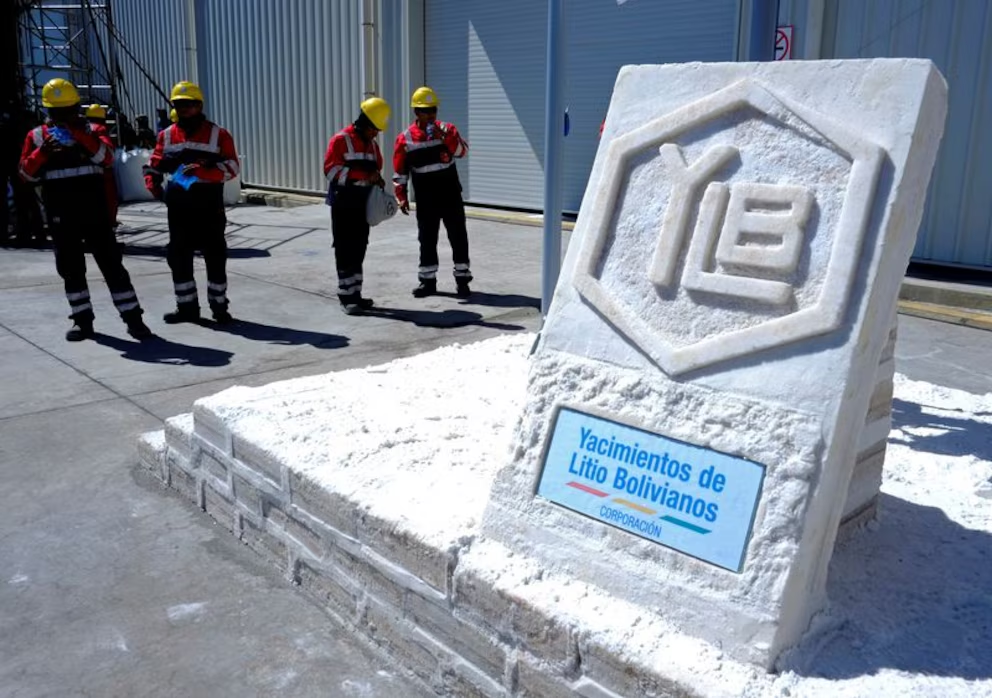
The dispute also reframes the narrative of the energy transition itself. A shift away from fossil fuels does not automatically translate into sustainable or just outcomes if new extractive frontiers replicate old patterns of decision-making. For the communities around Uyuni, sustainability is measured not by global carbon metrics, but by water security, territorial continuity, and cultural survival.
Bolivia now faces a defining choice. Proceeding without robust environmental evaluation and meaningful consultation risks deepening social conflict and undermining the legitimacy of its lithium ambitions. Incorporating indigenous participation, by contrast, could establish a model where strategic resource development aligns with environmental stewardship and social inclusion. The path chosen will signal whether the promise of lithium becomes a shared future or another chapter in a long extractive history.
Behind every data point, there is an intention. Behind every silence, there is a structure.