

 Phoenix 24
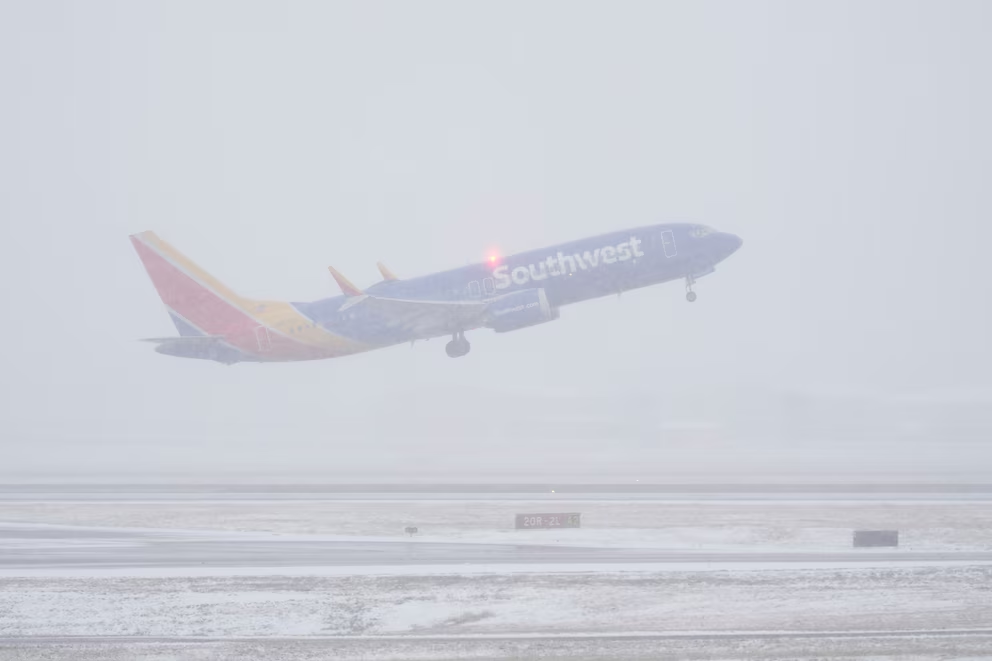
Extreme weather rarely disrupts just one system; it reverberates through interconnected infrastructures.
United States, December 2025.
Intense winter storms sweeping across large portions of the United States have triggered one of the most significant travel disruptions of the season, with at least 9,000 flights canceled as snow, strong winds, and reduced visibility forced airlines and airports to scale back operations. The magnitude of the cancellations highlights how optimized air travel systems remain highly vulnerable to abrupt environmental stress, where ground conditions rapidly cascade into nationwide consequences.
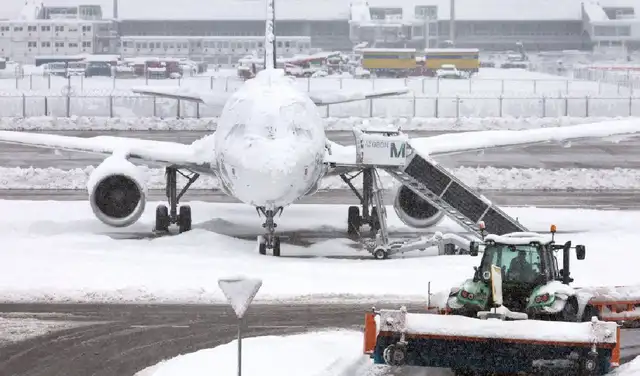
The highest concentration of cancellations occurred in regions facing heavy snowfall and blizzard conditions, where airports became operational choke points. Snow accumulation on runways, ice on taxiways, and unstable approach conditions exceeded safety thresholds, leaving airlines with limited options beyond grounding flights. These decisions, governed by strict safety regulations, prioritize passenger and crew protection even as they amplify disruption across tightly coordinated flight schedules.
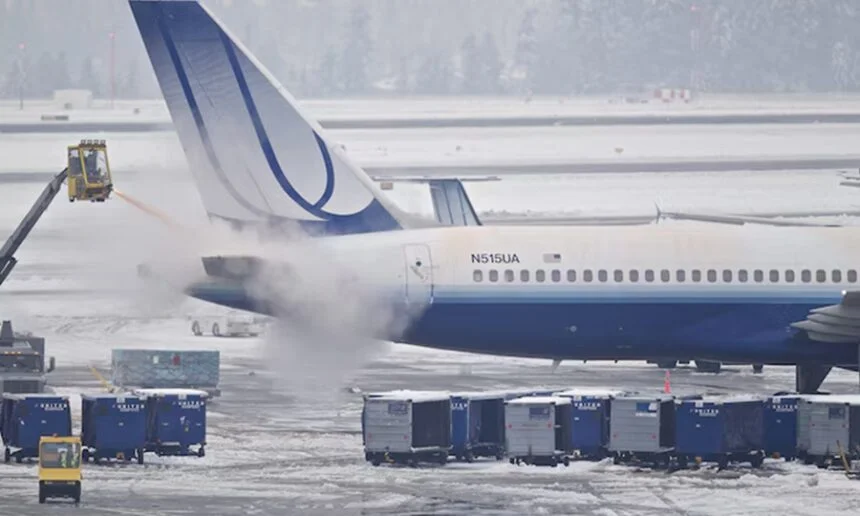
Beyond meteorology, the episode reveals structural characteristics of modern aviation. Aircraft rotations, crew assignments, and gate availability operate within narrow margins. When a major hub experiences prolonged delays or ground stops, the effects ripple outward. Inbound flights are diverted or delayed, crews exceed duty limits, and aircraft are stranded away from planned routes. What begins as a regional weather event quickly evolves into a national bottleneck.
For passengers, the impact is immediate and personal. Missed connections, extended waits in terminals, and sudden itinerary changes strain both travelers and airport infrastructure. Hotels, rental car services, and ground transportation networks absorb secondary pressure as stranded passengers seek alternatives. During peak travel periods, such disruptions also carry a broader economic footprint, affecting tourism and local commerce well beyond airport boundaries.
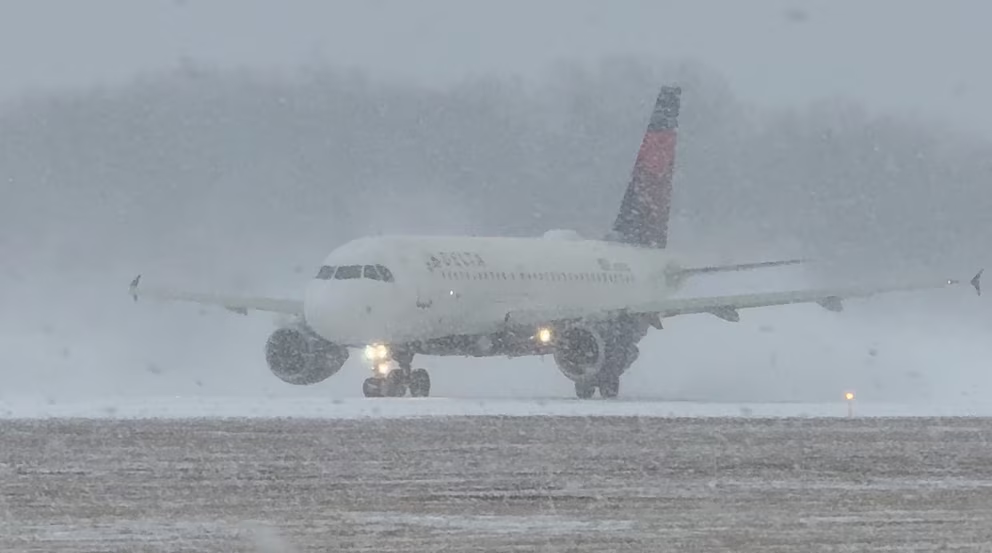
Winter storms are not unexpected in U.S. aviation planning, yet the frequency and intensity of recent systems have tested contingency measures. Airports deploy snow removal and de-icing operations continuously, but when accumulation outpaces response capacity, safety protocols require suspending departures and arrivals. Air traffic controllers and pilots treat ground stops and holding patterns not as exceptions, but as necessary brakes in a system operating near maximum efficiency.
The broader context underscores a systemic trade-off. The U.S. air travel network emphasizes efficiency and just-in-time scheduling, leaving limited buffers for absorbing shocks. Under such conditions, severe weather exposes fragility. Nodes are interdependent, and when one fails, the network reacts collectively. Reliability under normal circumstances can translate into brittleness under stress.
Airlines and authorities consistently stress that safety remains non-negotiable. Regulations governing takeoffs, landings, and crew hours exist precisely to prevent accidents when conditions deteriorate. Still, the tension between safety and continuity is sharply felt by travelers when cancellations outpace departures and uncertainty becomes the dominant experience.
These events also foreground the human dimension of infrastructure. Each canceled flight represents disrupted plans, postponed reunions, and altered routines. In an interconnected society, weather asserts itself not just as a natural phenomenon, but as a force that reshapes social rhythms and economic activity.
As conditions stabilize, retrospective assessments will follow, examining runway resilience, forecasting accuracy, and operational preparedness. For those affected in the moment, however, the experience is defined by waiting and adaptation. Snow does not conform to schedules, and aviation, despite its sophistication, must yield when nature imposes its limits.
Detrás de cada dato, hay una intención. Detrás de cada silencio, una estructura.
Behind every data point, there is an intention. Behind every silence, there is a structure.