

 Phoenix 24
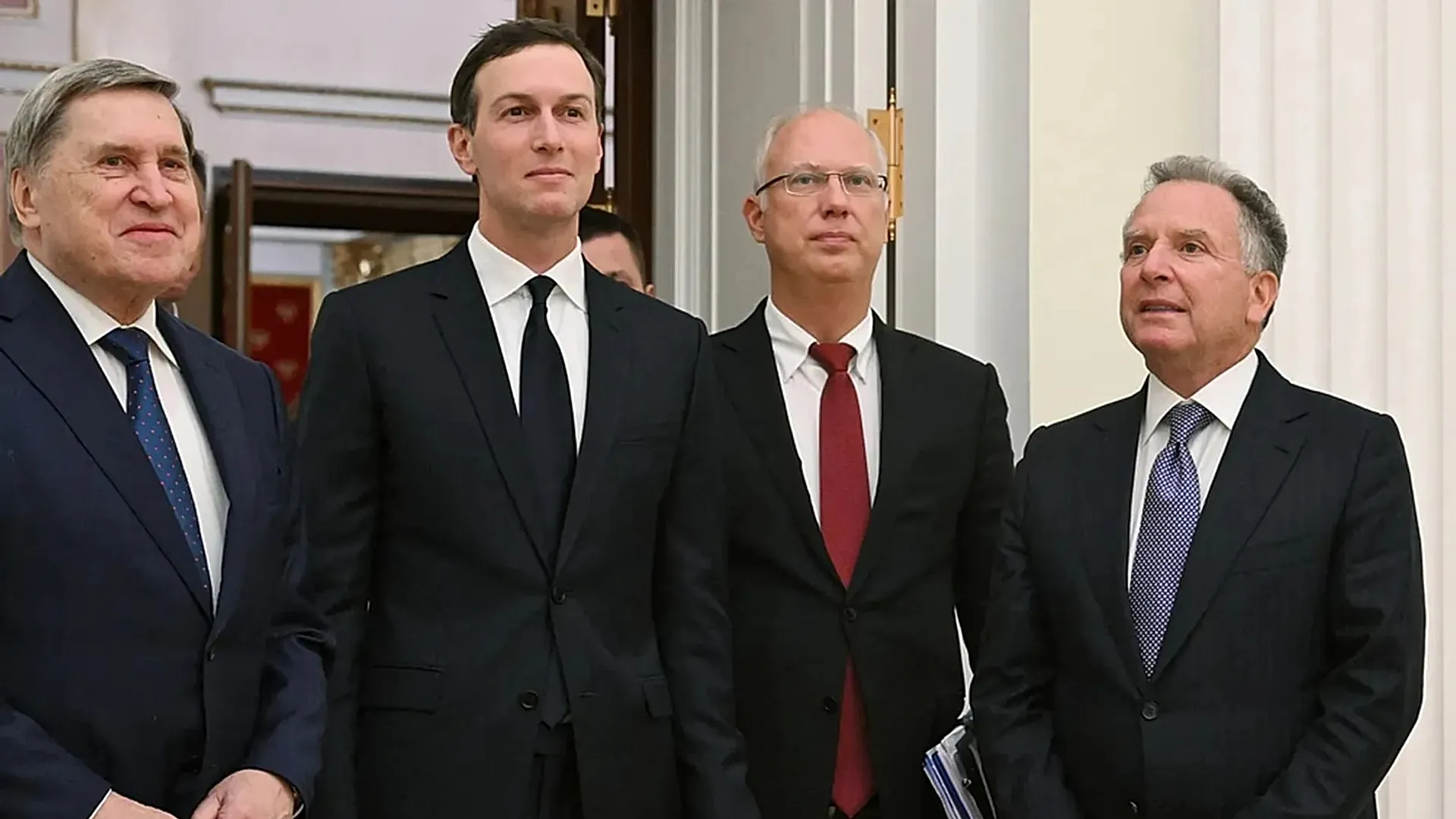
When adversaries agree to a table, the absence of bullets can be as meaningful as the words spoken.
Miami, December 2025
Officials from Russia and the United States are scheduled to convene in Miami for negotiations aimed at advancing a ceasefire and laying the groundwork for a broader peace framework in the ongoing war in Ukraine. This initiative marks one of the most significant diplomatic engagements since hostilities intensified late last year, reflecting both international pressure for de-escalation and the growing recognition that a military stalemate alone cannot resolve the conflict. According to observers, the Miami talks will focus less on immediate battlefield conditions and more on intermediate arrangements that could stabilize frontlines, reduce civilian harm and create pathways toward sustainable dialogue.
The decision to host the meeting in Miami, rather than in a neutral European capital or multilateral venue, signals Washington’s intent to shape the agenda and to bring its strategic partners into the core of the negotiation dynamic. U.S. officials have framed the engagement as an effort to bridge gaps in key areas, including humanitarian access, protection of energy and food supply routes, and mechanisms to prevent further escalation. For Moscow, participation reflects a willingness to maintain channels of communication even as both sides maintain divergent interpretations of core security interests.
This diplomatic move coincides with mounting international fatigue over the protracted conflict and its ripple effects on global markets, supply chains and geopolitical alliances. European and Asian partners have voiced support for renewed negotiations, emphasizing the urgency of mitigating civilian casualties and bolstering regional stability. A successful dialogue in Miami could recalibrate the tenor of international debates and provide a template for subsequent engagements, though analysts caution that the road to a comprehensive peace remains complex and fraught with mistrust.
For the Ukrainian government, the news has elicited careful optimism. Kyiv has characterized the initiative as an opportunity to consolidate support for Ukrainian sovereignty while addressing immediate humanitarian and security concerns. Ukrainian representatives have stressed that any negotiated outcome must respect territorial integrity and adhere to international law. Officials in Kyiv have also underscored that meaningful progress depends on enforceable guarantees and sustained international backing beyond initial statements of intent.
In Moscow, state spokespeople affirmed their delegation’s readiness to participate and highlighted the importance of protecting Russian security interests and the well-being of ethnic and linguistic communities beyond its borders. This framing reflects longstanding narratives promoted by Russian leadership regarding the justification of its military posture. The ability of both sides to reconcile deeply rooted narratives will be a key factor in the success of the talks.
Civil society and advocacy groups on both sides of the conflict have called for transparency and the inclusion of humanitarian perspectives in the negotiation process. Human rights organizations emphasize that any durable arrangement must prioritize civilian protection, safe passage for displaced persons and accountability for violations of human rights and humanitarian law. For communities directly affected by years of fighting, these human dimensions of peace are as critical as territorial or political arrangements.
The Miami meeting arrives against a backdrop of shifting global alignments. Support from NATO members, economic sanctions and diplomatic pressures have all influenced the contours of the conflict. Yet the underlying dynamics on the ground — the resilience of Ukrainian forces, the recalibration of Russian military strategy and the broader geopolitical competition between major powers — complicate simple narratives of victory or capitulation. In this sense, the Miami talks are less a culmination than a waypoint in a process that could unfold over months if not years.
What emerges from this diplomatic moment is a recognition that military stalemate cannot substitute for negotiated settlement. The human toll of the conflict — lives disrupted, families displaced, infrastructures destroyed — underscores the urgency of seeking pathways that reduce harm while preserving core principles of sovereignty and security. Whether Miami becomes a turning point or a symbolic pause will depend on the willingness of parties to move beyond maximalist positions toward practical compromises.
Phoenix24. The visible and the hidden, in context. / Phoenix24. Lo visible y lo oculto, en contexto.