

 Phoenix 24
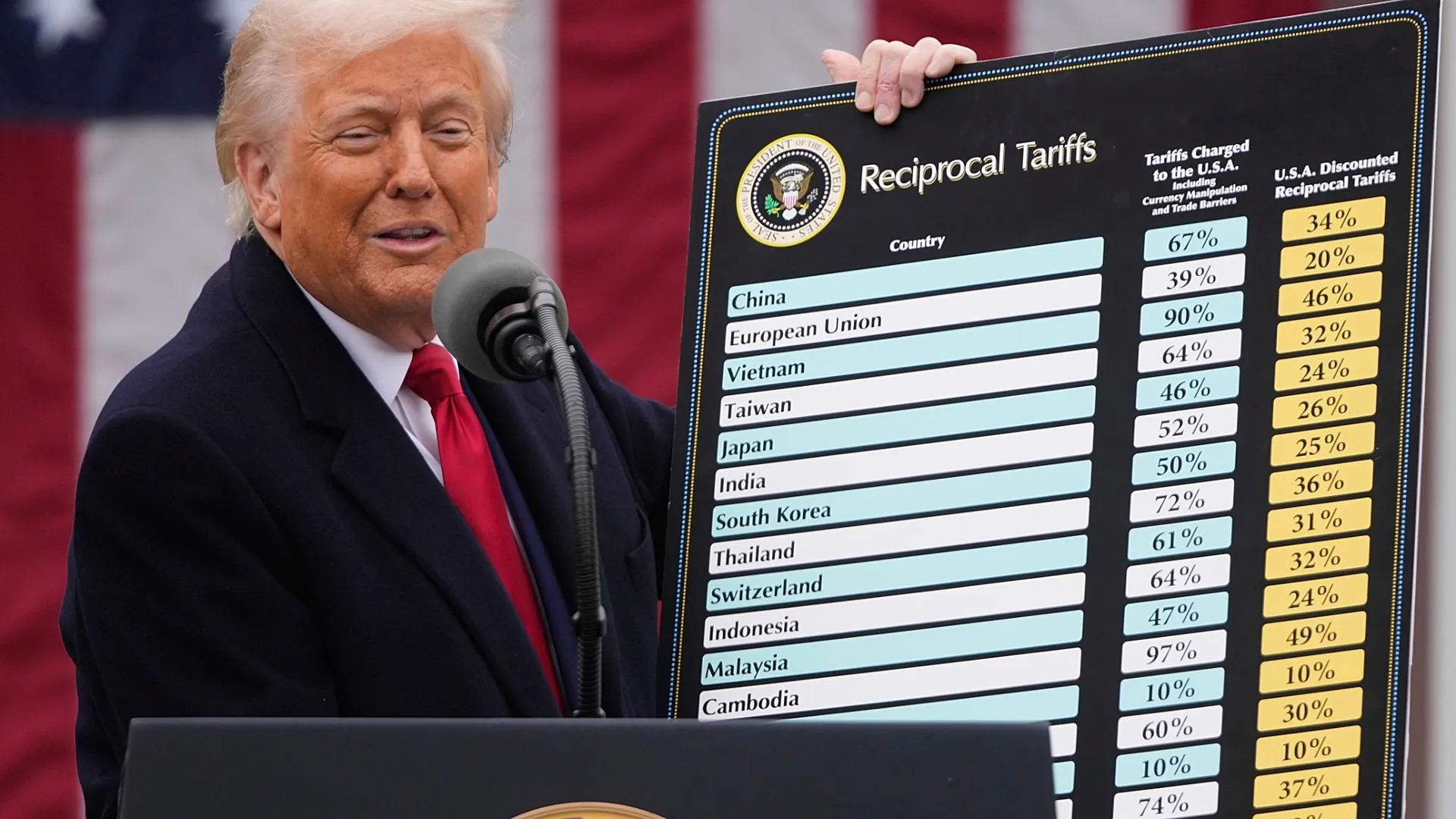
The choice reflects broader public attention to cost pressures, trade debates and living-cost concerns across multiple societies.
Brussels, December 2025.
In a year marked by heightened economic anxieties and intensified debate over trade policy, the word “tariff” was selected as the word of the year for 2025 by an international language observatory, reflecting not only linguistic prevalence but also the central role that trade costs and price barriers played in public discourse. The selection highlights how a term rooted in economic policy resonated with millions of people confronting rising cost structures, fiscal adjustment debates and geopolitical tensions that influence everyday inflation and market habits.
The annual designation, determined by a panel of linguists and social analysts tracking usage patterns across traditional media and digital platforms, underscores how economic vocabulary can migrate from technical forums into everyday conversations. In 2025, discussions about tariffs were not limited to academic or expert circles, but were amplified by media attention on changes to import duties, adjustments to cross-border commerce, and the knock-on effects felt by consumers and businesses. The panel noted that the frequency of the term surged in news reporting and public commentary in regions experiencing ongoing negotiation over trade agreements and supply chain realignments.
Observers attribute the prominence of “tariff” in part to a series of high-profile policy announcements from major economies that sought to recalibrate trade relationships in the face of shifting global demand and political pressures. Governments facing inflationary environments deployed tariff adjustments both as tools to protect domestic industries and as bargaining chips in broader diplomatic negotiations. In some cases, tariffs were debated as mechanisms to cushion local producers against cheaper imports, even as critics warned of the potential for retaliatory measures and the risk of price increases for consumers.
The language panel also highlighted the term’s associative reach into related conversations about cost of living, energy prices and the competitiveness of local markets. As households grappled with everyday expenditures, references to tariffs in commentary and analysis frequently intersected with discussions about food prices, fuel costs and the economic outlook. This pattern underscored how a policy term can become shorthand for wider social concerns about affordability and financial resilience.
Economists caution that while the visibility of the term may reflect genuine public concern, its everyday usage sometimes oversimplifies complex policy mechanisms. Tariff structures vary widely across sectors and involve considerations such as trade balances, international agreements and regulatory standards that are not readily captured by colloquial references. Nevertheless, the panel emphasized that the elevation of “tariff” as a cultural touchstone offers insight into how economic policy themes permeate broader societal narratives.
Linguistic observers pointed out that the rise of the word in 2025 stands in contrast to recent years when culturally oriented terms or social concepts dominated annual lexicon lists. The shift toward an economically framed word of the year suggests that public attention this cycle was particularly focused on material conditions and the mechanisms that shape them. In a context of uneven growth, geopolitical friction and evolving labor markets, the term became a lens through which many populations examined the intersection of macroeconomic policy and lived experience.
Public reaction to the designation has been mixed, with some commentators celebrating the recognition of a term that encapsulates pressing economic realities, while others noted that the selection reflects deeper anxieties about cost pressures and market unpredictability. Academics in sociolinguistics view the choice as indicative of the dynamic interplay between language and social conditions, where recurrent use mirrors collective preoccupations and the salience of certain policy debates.
As policymakers and analysts look ahead to 2026 and beyond, the continued relevance of tariff discussions will depend on how global trade, inflation management and geopolitical alignments evolve. For now, the prominence of the term in public discourse offers a snapshot of a moment when economic vocabulary served as a bridge between technical policy and everyday concerns.
Narrative is power too.
La narrativa también es poder.