

 Phoenix 24
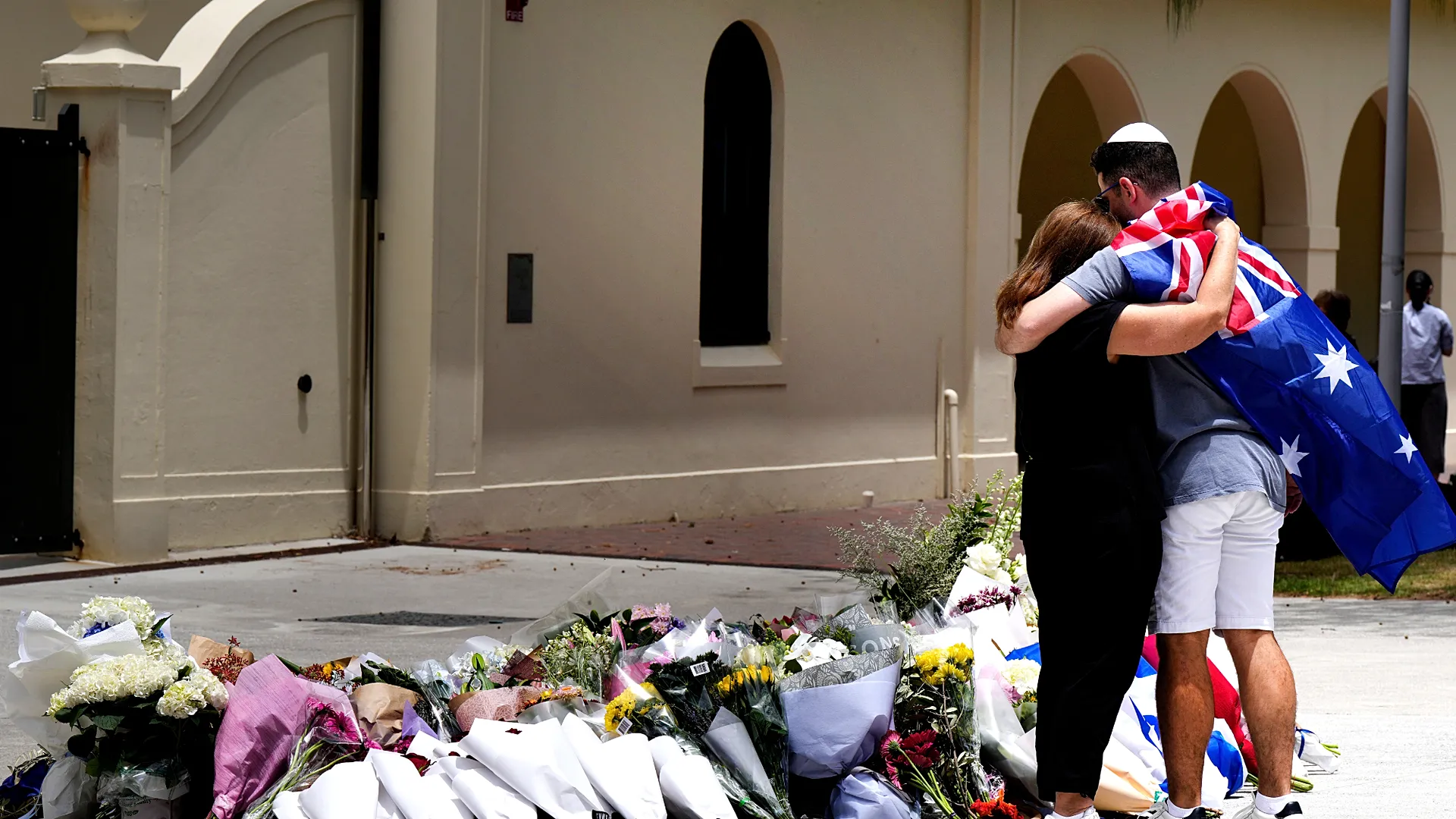
Authorities say the suspected attackers’ ideological ties add a new dimension to the investigation.
Sydney, December 2025.
Australian law enforcement officials investigating the deadly shooting at Bondi Beach announced that the two suspects involved in the attack had reportedly pledged allegiance to the Islamic State group prior to the assault, adding a troubling ideological component to a massacre that left at least fifteen people dead and dozens more wounded during a holiday season gathering. The revelation has heightened concerns about the reach of extremist networks and the threat posed by radicalized individuals acting on both local and transnational narratives of violence.
The attack, which unfolded during a public event near one of Sydney’s most frequented beaches, shocked the nation and drew swift condemnation from political leaders, community representatives and international observers. In the days following the incident, investigators focused on piecing together the background and motives of the suspects, ultimately detecting statements and declarations that Australian authorities interpreted as pledges of allegiance to a terrorist organization known for global campaigns of violence. This development shifts part of the inquiry from criminal culpability to the realm of counterterrorism, prompting cooperation with intelligence agencies and foreign partners.
Australia’s minister for home affairs described the reported allegiance as a deeply concerning indicator that isolated acts of violence may be influenced by broader ideological currents, even in countries with relatively strict gun control and low incidences of mass shootings. While officials emphasized that the investigation is ongoing and that claims of allegiance must be rigorously verified, they also acknowledged that early evidence suggests a level of premeditation connected to extremist motivations, rather than purely personal or spontaneous factors.
The discovery resonates with broader global patterns in which individuals influenced by extremist ideologies have carried out attacks far from the traditional theaters of conflict. In this case, the context of a crowded holiday celebration has underscored both the unpredictability of such threats and the vulnerability of public spaces. Security authorities have reiterated their commitment to enhancing surveillance, intelligence sharing and preventive measures to detect and disrupt potential radicalization pathways before they culminate in violence.
Community leaders in Sydney and across Australia have responded with calls for unity and resilience. Representatives of affected communities — including faith-based organizations and civic groups — stressed the importance of resisting fear and division in the face of violent acts carried out in the name of extremist narratives. At the same time, there has been recognition of the need to support mental health resources and trauma counseling for survivors, witnesses and family members of victims, whose lives were irrevocably altered by the attack.
The alleged ideological dimension of the Bondi Beach shooting has also sparked debate among policymakers about the balance between public security and civil liberties. Discussions in the national parliament have touched on issues of radicalization, online influence, community outreach and the role of social integration programs in preventing the spread of violent beliefs. Some lawmakers have pressed for expanded counter-extremism funding, while others have urged caution to ensure that measures do not stigmatize specific communities or erode civil rights.
Internationally, the incident has been contextualized within ongoing efforts to counter the diffusion of extremist ideologies that transcend borders. Diplomatic channels have conveyed condolences and solidarity, with an emphasis on cooperative frameworks for intelligence and law enforcement. Analysts note that the emergence of pledges of allegiance in a context as distant as a Sydney beach highlights the fluidity of modern radical influences and the need for adaptive strategies that account for both global and localized factors.
As forensic work continues and charges are prepared, Australian authorities face the task of articulating clear findings while maintaining transparency with the public. The reported allegiance element adds complexity to legal proceedings and future security planning, emphasizing that motives in acts of mass violence can span a spectrum from individual pathology to ideological affiliation.
In confronting the aftermath of the Bondi Beach attack, the nation’s focus has shifted toward both accountability and resilience. The coming weeks will be critical in determining how investigators piece together motive, means and potential networks, even as communities seek to reaffirm their commitments to openness and mutual respect in the face of extreme adversity.
The visible and the hidden, in context.
Lo visible y lo oculto, en contexto.