

 Phoenix 24

A quiet start to the day may be the secret behind what looks like relentless productivity for one of the world’s most influential entrepreneurs.
Seattle, December 2025.
Jeff Bezos begins each morning with what he calls the “one-hour rule,” a deliberate decision to delay contact with any digital device and dedicate the first sixty minutes after waking exclusively to physical movement, thoughtful reflection, reading, and a nutritious breakfast. This ritual, repeated without fail for years, reflects a philosophy that privileges mental clarity and balanced energy over immediate engagement with messages, schedules, or external demands. Observers in North America, Europe, and Asia note that this early-morning detachment from digital stimuli aligns with recent scientific findings: the brain emerges from sleep more receptive when it avoids abrupt overload from screens, social media or news.
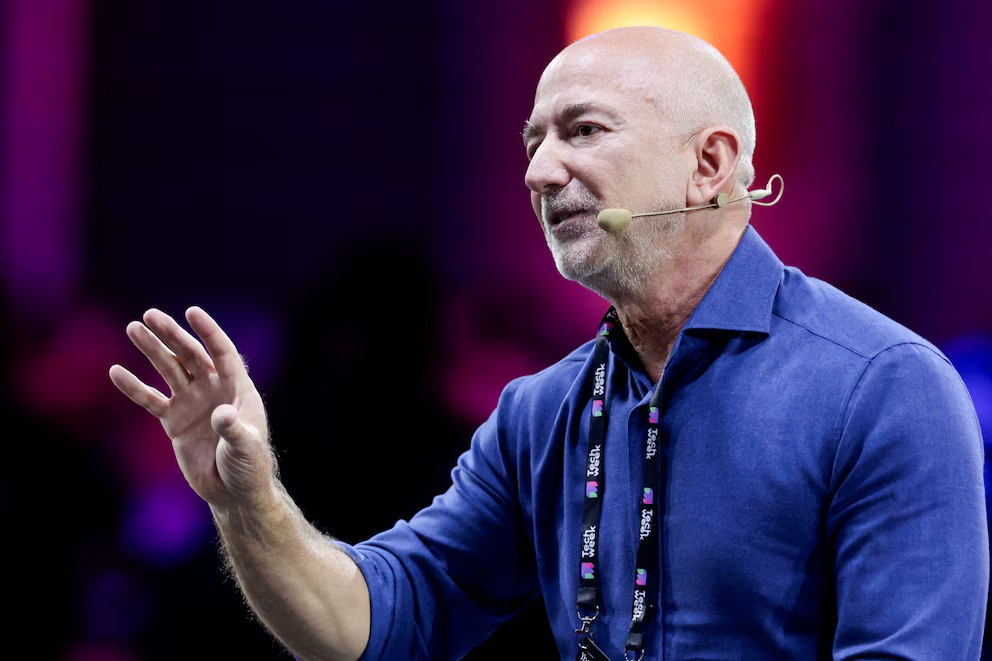
That quiet hour is more than a personal preference. For Bezos, it is a structural component of sustainable decision-making. He has publicly explained that he avoids scheduling work or meetings before 10:00 a.m., a strategy intended to preserve cognitive sharpness and avoid “decision fatigue.” Instead he reserves the first slot for high-impact tasks when mental alertness is at its peak. Analysts in European and Asian leadership think tanks suggest this pattern illustrates a broader trend among leaders who resist the 24/7 digital grind in favor of mental preservation and long-term clarity.
The elements of this practice — sleep, movement, nourishment and stillness — combine to deliver more than routine well-being. According to consultants in organizational health and productivity, the “one-hour rule” reduces stress, enhances focus and primes both body and mind for creativity and problem-solving. These benefits are magnified for individuals responsible for high-stakes decisions. For Bezos, whose role spans major corporations and space ventures, preserving cognitive equilibrium has become a priority over continuous hustle.
Yet what stands out is not only the consistency, but also the contrast. In industries where early-morning emails, back-to-back calls or instant availability are often seen as badges of dedication, Bezos opts for restraint. That choice challenges conventional wisdom about success and productivity, offering an alternative narrative: one where pacing, self-care and deliberate focus matter more than immediate reaction. In doing so, he resonates with growing recommendations from neuroscientists and wellbeing experts who advocate for screen-free time after waking as a protective measure for mental health.
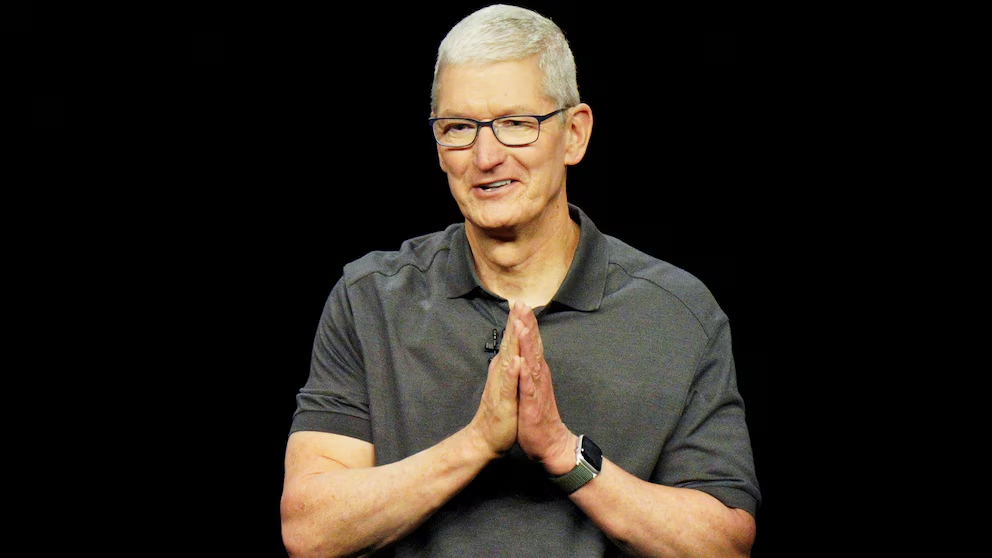
For many professionals and aspiring entrepreneurs around the world, Bezos’s example offers a practical template. The “one-hour rule” does not require extraordinary resources — only discipline and a willingness to delay instant gratification. By starting the day without a phone, message or deadline, individuals create a mental buffer that protects inner calm and decision quality. Over time, this buffer can translate into clearer judgment, reduced anxiety and a more sustainable working rhythm.
As 2026 approaches and work cultures worldwide continue to evolve in response to digital overload and burnout concerns, the appeal of structured morning rituals appears stronger than ever. The “one-hour rule” emerges not as a gimmick, but as a defensible strategy for preserving mental clarity, enhancing productivity and navigating complexity at high levels. Whether in boardrooms, creative studios or startups, the lesson remains: how one begins the day may shape not just mood, but long-term performance and well-being.
Every silence speaks.
Cada silencio habla.