

 Phoenix 24
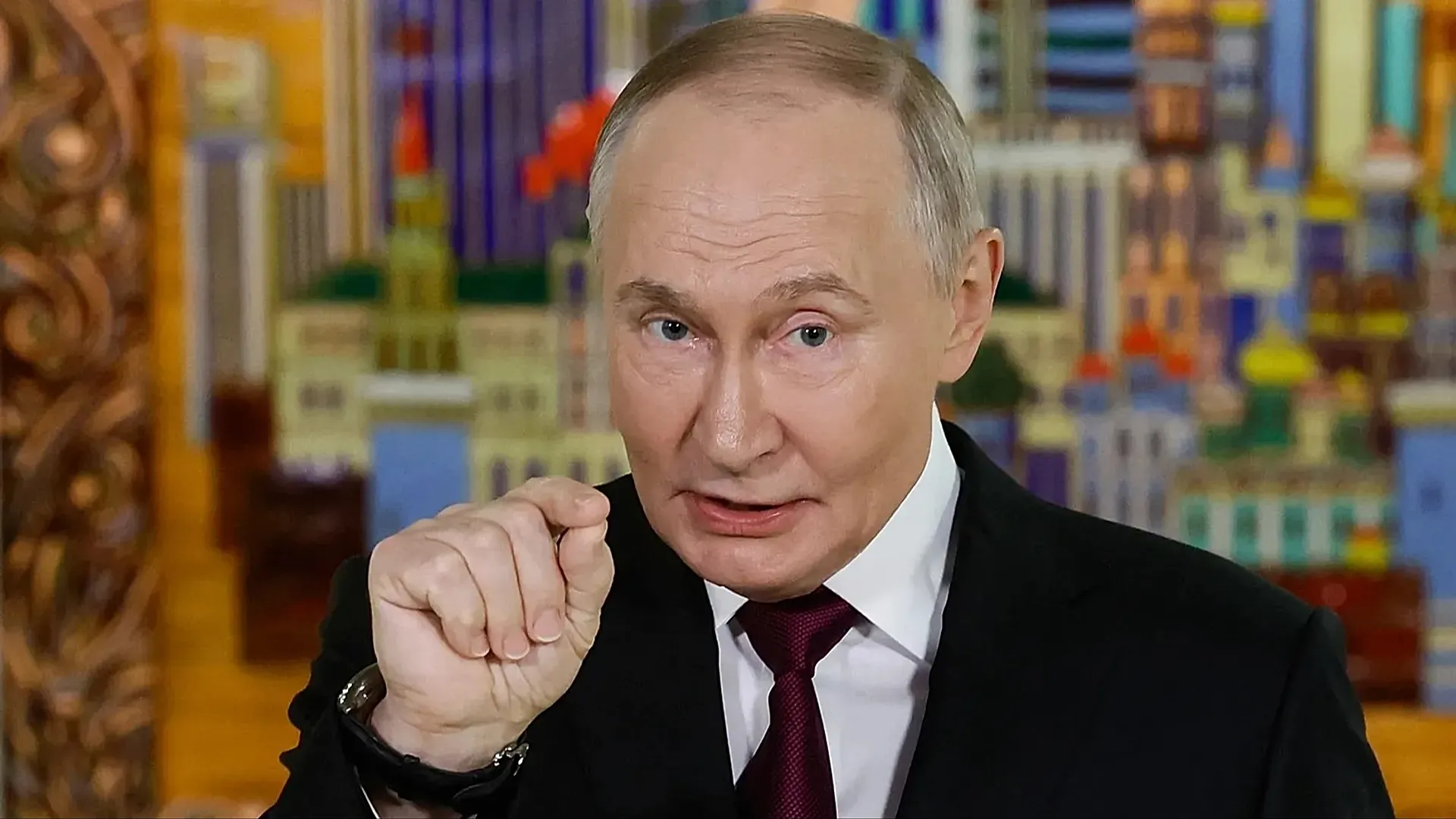
A single phrase delivered in a controlled tone can shift the weight of an entire continent long before any army moves.
Moscow, December 2025. The Russian president used a major economic forum to issue one of the most unsettling statements heard in Europe since the end of the Cold War. He insisted that Russia does not seek conflict, yet affirmed that if Europe chooses to go to war against Moscow, the Russian state is fully prepared. The message, delivered with a blend of defiance and strategic confidence, immediately reverberated across European capitals where security experts and diplomats attempted to decipher both its intention and timing. While he framed Europe as supporting policies that prolong the conflict in Ukraine, he went further by suggesting that a European decision to confront Russia militarily would end with astonishing speed, leaving no interlocutors with whom Moscow could continue dialogue.
Several observers noted the context surrounding the remark. Delegates from the United States are currently in Moscow seeking to revive a stalled diplomatic channel. By accusing European governments of undermining potential negotiations, the Kremlin appears to be repositioning itself as the only actor willing to engage in talks, while portraying its European counterparts as aggressors who have abandoned diplomacy. Analysts at the European Council on Foreign Relations underline that this strategy aims to fracture Western unity by turning Europe into a symbol of escalation and Washington into a partner capable of transactional engagement. It is an old maneuver, they argue, but one that remains effective when regional tensions spike.
For security institutions in the West, the language raised immediate concerns. NATO officials who spoke informally with European outlets stressed that the Kremlin’s remarks must be interpreted not only as political rhetoric but also as part of a continuing psychological campaign aimed at influencing public opinion. Similar assessments were echoed by defense researchers at the Stockholm International Peace Research Institute. They noted that Moscow’s references to rapid conflict resolution and overwhelming military readiness are consistent with patterns observed in previous periods of strategic signaling, where Russia blends conventional force posture with nuclear ambiguity. This mixture, often calibrated to unsettle adversaries, pressures European states to weigh the consequences of their support to Kyiv more cautiously.
Meanwhile, voices in Asia also reacted. Analysts at the Lowy Institute identified the statement as an example of deterrence messaging designed to limit European involvement in long term defense planning for Ukraine. They noted that by implying catastrophic consequences for any direct confrontation, Moscow seeks to discourage European leaders from supporting deeper military integration or from committing to supplies that could significantly alter the battlefield. In Beijing, strategic commentators highlighted a different angle: the message also reinforces Russia’s narrative of encirclement, a theme shared by several Eurasian powers who view Western alliances as expansionist rather than defensive. While China has not publicly endorsed the Kremlin’s words, the underlying framing aligns with Beijing’s broader argument that Western security structures destabilize regional balances.
Within Europe, reactions varied sharply. In Berlin, officials privately expressed concern that the Kremlin’s statement was crafted to test domestic cohesion at a moment when Germany is debating new defense expenditures. In Paris, advisers close to the presidential office warned that the phrasing was calibrated to provoke uncertainty, particularly in countries where public fatigue over Ukraine has become politically salient. In Warsaw and the Baltic capitals, however, the comments were interpreted as a reaffirmation of long standing warnings about the Kremlin’s strategic intentions. Several former intelligence officers in the region emphasized that Moscow’s readiness narrative is not new, but the explicit framing of Europe as a potential belligerent marks a shift that must not be dismissed.
Across the Atlantic, researchers at the Council on Foreign Relations evaluated the statement as part of a broader confrontation cycle. They noted that Russia has increasingly relied on sharp rhetorical escalations whenever diplomatic windows appear to open. The logic is paradoxical yet familiar: increase perceived risk to gain leverage, then offer selective dialogue from a position of apparent strength. At the same time, experts in Latin America pointed out that such discourse reinforces Russia’s global posture as a state unwilling to appear cornered or weakened, an image Moscow considers essential to its geopolitical identity.
Although the Russian president insisted that his country is not seeking open war with Europe, his formulation that a conflict could conclude too quickly for political negotiation unsettled even seasoned diplomats. Humanitarian organizations based in Geneva warned that any public suggestion of rapid escalation carries psychological and social consequences. Citizens living in border states experience subtle increases in anxiety, and markets respond to perceived geopolitical instability. The European Central Bank recently signaled that geopolitical risk remains one of the major variables influencing currency volatility, and remarks of this nature have a measurable effect on financial behavior.
With winter intensifying and political fatigue rising across multiple European governments, the timing of the Kremlin’s statement is particularly significant. Several policymakers in Brussels are currently debating adjustments to the continent’s security architecture, including long term defense commitments, industrial production for military supplies and coordinated intelligence sharing. A message signaling total readiness shifts the tone of those discussions from strategic planning to crisis management. It reinforces the notion that Europe must consider not only the present conflict in Ukraine, but also the broader implications of a deteriorating relationship with Moscow.
The Kremlin may insist that Europe is the actor choosing the path of escalation, yet European governments argue that the preservation of Ukrainian sovereignty remains a foundational principle. The gap between these positions continues to widen. As this divide grows, the rhetorical temperature increases, leaving the international system more vulnerable to miscalculations that could reshape the continent for decades.
Analysis that transcends power. / Análisis que trasciende al poder.