

 Phoenix 24
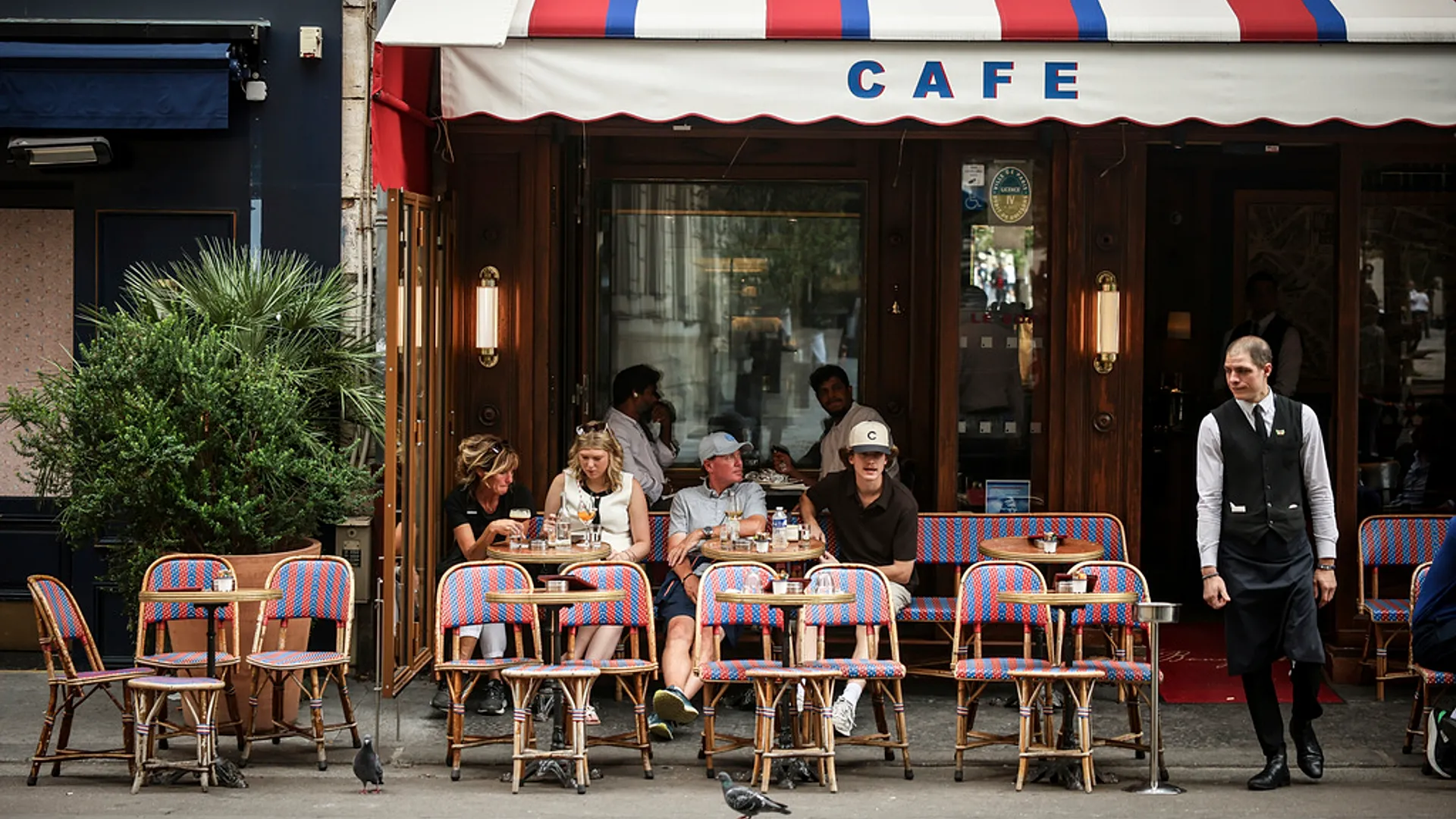
The bloc welcomes a wave of easing prices while Berlin confronts the opposite trend, reopening questions about internal economic balance.
Brussels, November 2025
Inflation across the largest economies of the eurozone eased more than expected this month, yet Germany stood out as the exception to the pattern. France, Spain and Italy reported moderating consumer price growth, supported by declines in energy costs and steadier transport and service prices that helped households recover a modest sense of financial relief. The numbers align with projections from institutions that track the European economy, suggesting that the region is moving closer to the stability that policymakers have been trying to reestablish since post pandemic volatility disrupted markets. Germany, however, recorded a different trajectory. Its inflation rate climbed to two point six percent from two point three percent in October, largely driven by more expensive food items, a shift that underlines the uneven nature of price dynamics across the monetary union. According to national reporting, harmonized consumer prices still fell by zero point five percent on a monthly basis, but the broader year on year uptick has reignited domestic concerns.
This divergence within the eurozone reflects a deeper structural imbalance that has resurfaced at a delicate moment. Countries with cooling inflation may regain purchasing power at a pace that could reopen consumption cycles, while economies facing renewed price pressure risk seeing weakened confidence among households and businesses. Analysts across Western Europe suggest that if these dynamics persist, the European Central Bank may soon be forced to navigate an increasingly complex landscape. A scenario where most member states experience easing inflation while a core economy such as Germany moves in the opposite direction could complicate the calculus for monetary decisions, given that a unified policy must address realities that are no longer moving in parallel.
Beyond central bank strategy, the contrast also carries political weight. In Southern Europe, officials cautiously welcome the slowdown in price growth, aware that any recovery in consumer sentiment depends on maintaining this delicate trajectory. In Central Europe the rising German figures have triggered debate about supply chain pressures, wage negotiations and whether domestic measures will be needed to stabilize essential goods. Economists in Asia who monitor global price channels highlight that the split inside the eurozone may influence broader market sentiment, especially if investors interpret Germany’s divergence as a sign of prolonged volatility in Europe’s largest economy.
The implications for competitiveness within the bloc are also under scrutiny. If inflation gaps widen, differences in real wages, production costs and export pricing could alter the distribution of advantages among member states. Some observers warn that the eurozone has entered a phase in which economic recovery will not be uniform and that governments must coordinate carefully to avoid reinforcing long standing disparities. The key challenge for Brussels will be crafting a framework that allows countries experiencing relief to consolidate progress while ensuring that those facing renewed inflation adopt targeted interventions that do not amplify structural weaknesses.
For now the general trend still leans toward stability, but Germany’s deviation acts as a reminder that the region’s recovery remains fragile. The coming weeks will reveal whether November’s figures represent the start of a new divergence or a temporary imbalance in an otherwise improving landscape. What is clear is that inflation, once a shared shock across the bloc, is now fragmenting along national lines, testing the capacity of the eurozone to move cohesively toward renewed economic certainty.
Facts that do not bend. / Hechos que no se doblan.