

 Phoenix 24
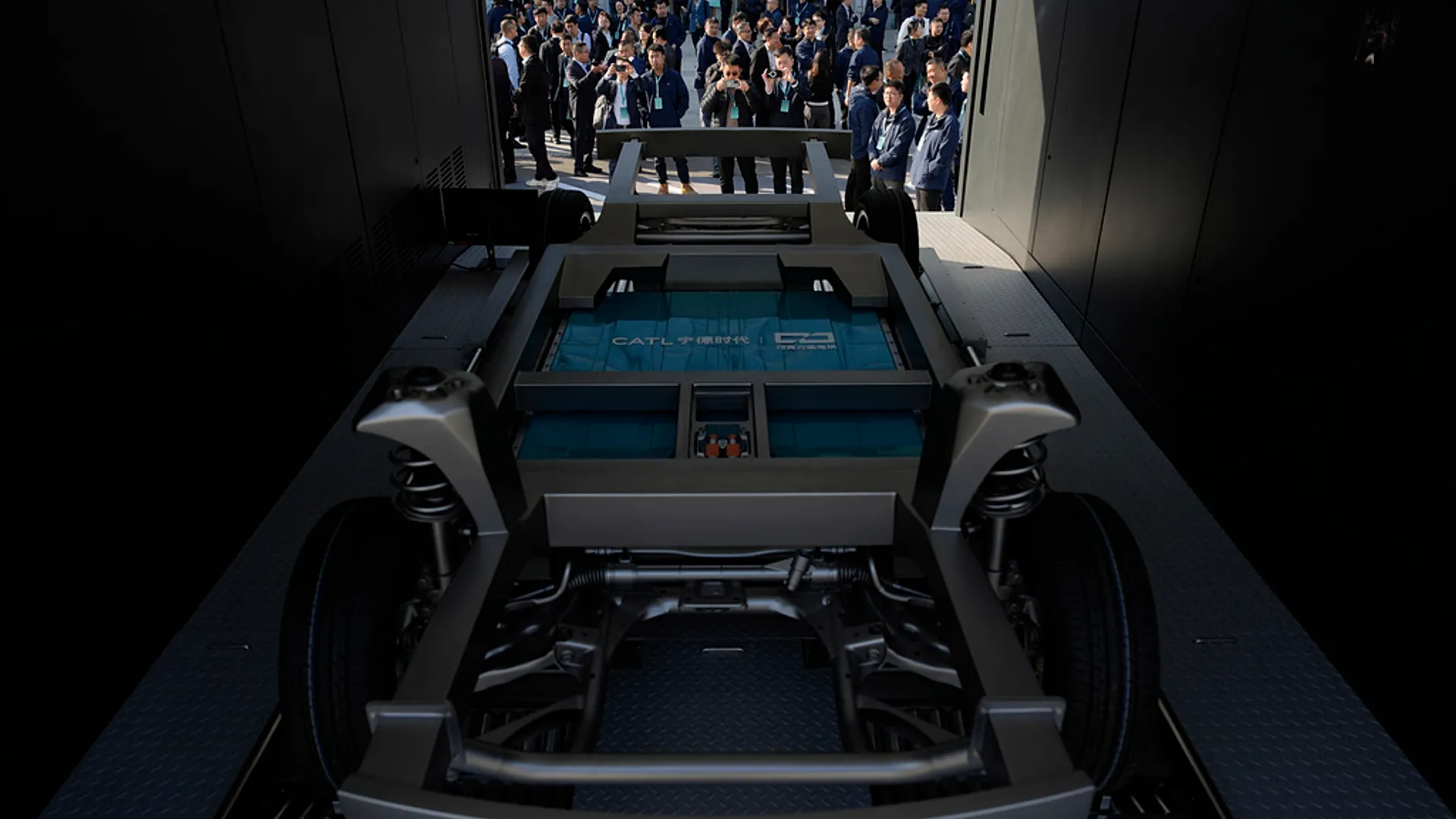
The future of electric mobility often begins not with engines but with the silent weight of foundations poured into the ground.
Zaragoza, November 2025. A milestone in Europe’s industrial transition took shape as CATL and Stellantis commenced construction on what is expected to become one of the continent’s largest electric vehicle battery complexes. The ambitious facility, rising on the outskirts of Aragon, marks a pivotal shift in Europe’s quest for energy autonomy, technological competitiveness and supply chain resilience at a moment when global mobility is being rewritten by electrification.
The project is designed around lithium iron phosphate technology, a chemistry valued for its stability, cost efficiency and long cycle life. Engineers familiar with large scale manufacturing processes in Asia described the facility as a strategic anchor that aligns European demand with global innovation. In North America, analysts tracking the electric vehicle ecosystem noted that the plant’s projected capacity reaches tens of gigawatt hours annually, enough to power hundreds of thousands of vehicles each year. European economic institutes added that this represents not only an industrial bet but also a direct contribution to regional targets for decarbonization and digital modernization.
Local authorities highlighted that the facility is planned to operate entirely on renewable energy sources. Energy specialists in Europe have observed a growing tendency among manufacturers to integrate green power directly into production lines as part of broader corporate commitments to climate neutrality. In Asia, where battery technology development remains concentrated, market observers emphasized that CATL’s decision to increase production within the European Union demonstrates how global companies seek shorter and more politically stable supply routes as technological competition intensifies.
Economically, the project carries the weight of transformative potential. Employment estimates project thousands of direct jobs and several thousand additional positions in logistics, component supply, transportation and industrial services. Regional development agencies across Europe view the investment as an inflection point for the Spanish automotive landscape, which has spent years repositioning itself within the competitive hierarchy of electric mobility manufacturing. For Aragon, the gigafactory represents one of the largest injections of industrial capital in its recent history, signaling renewed political confidence in the region’s ability to host next generation manufacturing.
Yet the initiative does not exist in isolation. Battery production is now an arena where strategy, technology and geopolitics converge. Specialists in North America following critical mineral flows note that Europe remains heavily dependent on global suppliers for lithium, nickel and graphite. This dependence influences the resilience of the entire value chain. Meanwhile, Asian industrial policy experts observe that CATL’s expansion strategy abroad is shaped by the need to diversify beyond domestic markets and insulate operations from trade instabilities. For Europe, hosting such a plant offers both opportunity and vulnerability. It strengthens local production capacity while increasing exposure to a foreign technological partner whose leadership in battery chemistry remains unmatched.
Stellantis, for its part, faces its own structural pressures. Regulatory frameworks across Europe continue to tighten emissions thresholds, compelling manufacturers to accelerate the transition away from combustion engines. Industry commentators in Europe argue that without a robust domestic battery ecosystem, carmakers risk losing strategic ground to competitors who have already secured stable sources of cell production. For this reason, the Aragon facility is seen as a safeguard against volatility in global markets and as a mechanism to anchor a reliable supply chain within European borders.
Environmental organizations have stressed that the success of such a megaproject depends on balancing industrial ambition with ecological responsibility. Although the plant promises operation powered exclusively by renewable energy, the upstream challenges remain significant. Mining impacts, transportation emissions and waste management still require international coordination. In this regard, observers in Asia noted that sustainable supply frameworks are becoming a competitive differentiator in the battery market, and manufacturers unable to demonstrate responsible sourcing may face regulatory and reputational setbacks.
From a broader geopolitical perspective, the gigafactory symbolizes the power realignments emerging from the global shift toward electrification. As the European Union seeks to reduce reliance on external actors for critical technologies, partnerships with battery giants present a double edged outcome. They accelerate local industrial capacity while deepening interdependence with global firms whose strategic interests may not always fully align with those of regional governments. Analysts in Europe have highlighted that the construction of large scale battery facilities requires long term planning that extends beyond electoral cycles, demanding political stability and economic predictability.
The start of construction in Aragon therefore represents more than a ceremonial milestone. It marks the beginning of a decade in which Europe will confront the realities of technological sovereignty, industrial competition and environmental responsibility. What takes shape on this site will influence the direction of electric mobility across the continent, affecting automakers, energy suppliers, logistics chains and national industrial strategies.
As the first pillars rise and the initial steel structures take form, the project stands as a reminder that industrial revolutions do not announce themselves with noise. They begin quietly, far from showrooms and boardrooms, in the meticulous choreography of engineers, planners and workers who prepare the ground where future economies will take shape.
The visible and the hidden, in context.
Lo visible y lo oculto, en contexto.