

 Phoenix 24
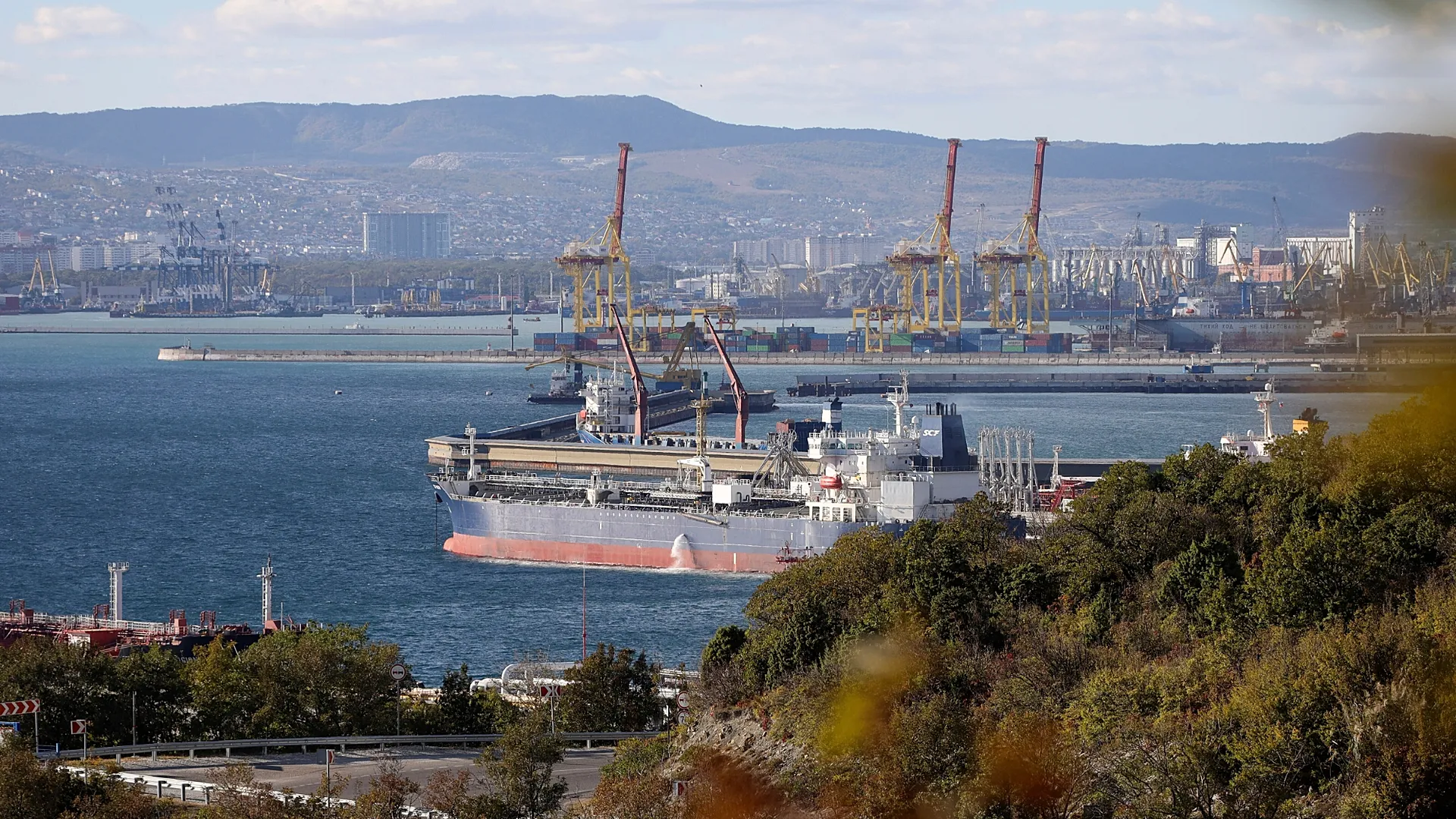
When ships without flags turn into fireballs at sea, the smoke often reveals more about global tension than the waves below them.
Ankara, November 2025. Two vessels linked to Russia’s shadow fleet ignited near the Turkish maritime zone in the Black Sea, triggering alarm among regional authorities and intensifying scrutiny over a network of tankers long used to circumvent oil price caps and international monitoring. The fires, visible from several kilometers away, prompted rapid deployment of Turkish rescue units, although the extent of the damage and the status of the crews remain shrouded in uncertainty. The incident deepened a sense of volatility in a region already defined by shifting alliances, commercial pressure and persistent security concerns.
Early assessments from maritime analysts in Europe described the vessels as part of a fleet composed of aging tankers operating with opaque ownership structures, irregular insurance coverage and inconsistent compliance with safety regulations. These ships have been central to Russia’s efforts to maintain oil exports despite restrictions imposed by Western economies. Specialists from Asia with experience in maritime logistics noted that many of these tankers operate with minimal maintenance and navigate under flags of convenience, conditions that significantly raise the risk of accidents, especially in contested or high traffic waters.
Authorities in Turkey, which has become an unavoidable checkpoint for maritime activity in the Black Sea, responded swiftly. According to regional officials, the incident occurred near a corridor regularly patrolled by Turkish units tasked with ensuring navigation safety and environmental protection. The rapid movement of rescue assets underscores Ankara’s broader strategic goal of maintaining stability in the Black Sea, a basin where economic interests and geopolitical calculations frequently intersect. Analysts based in North America highlighted that Turkey’s posture has become more assertive as tensions between Russia and Western institutions continue to shape maritime security dynamics.
The origin of the fires remains unclear. Investigators have not ruled out mechanical failure, particularly given the advanced age of many vessels operating within this unofficial fleet. Maritime engineers in Europe emphasized that some vessels exceed four decades of service and would be considered obsolete under stricter regulatory regimes. At the same time, organizations focused on shipping transparency have documented recurrent issues related to corrosion, inadequate maintenance and outdated safety systems. The combination of structural deterioration and the transportation of flammable cargo has created what several experts describe as a ticking time bomb across multiple sea lanes.
However, not all interpretations have centered on technical explanations. Some security specialists familiar with Black Sea dynamics raised the possibility of accidental ignition linked to unsafe fuel transfer operations, a practice reported among vessels attempting to evade regulatory oversight. Institutions specializing in maritime risk assessment in Asia have warned that ship to ship transfers conducted outside authorized zones significantly increase the chances of fires, leaks or collisions. Still, without official confirmation, the exact trigger remains part of a broader pattern of opacity that characterizes the fleet.
Environmentally, the fires sparked immediate concern in Turkey and neighboring states. The Black Sea is a semi enclosed ecosystem whose recovery from past pollution episodes has been slow and fragile. Conservation groups in Europe pointed out that even limited spills involving crude or refined petroleum products can create long term damage, affecting coastal fisheries, migratory routes and marine biodiversity. Turkey’s environmental authorities signaled that they were monitoring the situation closely, aware that any contamination could swiftly reach sensitive coastal zones if currents shift.
The geopolitical implications extend beyond environmental risk. The shadow fleet has been a focal point of diplomatic disputes, particularly between Western economies seeking to enforce price caps on Russian oil and states that facilitate or overlook the transport of controlled cargo. Research centers based in North America have argued that incidents of this nature expose the vulnerabilities inherent in operating vessels outside conventional regulatory frameworks. They also underscore the limits of international oversight when ownership chains involve shell companies, intermediaries and obscure registries scattered across multiple jurisdictions.
For Russia, whose maritime exports remain crucial for sustaining revenues, the weakening or loss of vessels complicates logistical operations and raises costs. Analysts from Europe noted that replacing older tankers has become more difficult as shipbuilding markets tighten and sanctions complicate procurement channels. Meanwhile, institutions in Asia tracking energy flows remarked that disruptions in transport capacity can ripple through regional markets, affecting shipping rates, insurance premiums and supply chain stability.
Turkey’s role as both stakeholder and arbiter in the Black Sea gives the incident an added layer of significance. Ankara has balanced its diplomatic relations with Russia, Europe and the Middle East while asserting a more prominent role in maritime governance. The fires occurred at a moment when Turkey has been promoting regional initiatives aimed at enhancing navigational safety and monitoring irregular maritime traffic. Experts in North America observed that incidents involving the shadow fleet often accelerate political pressure for stricter inspection regimes, though such measures can generate friction with states that rely on opaque transport networks.
As regional authorities investigate the causes and consequences of the fires, the episode underscores the fragility of the shadow fleet’s operational model. The combination of aged vessels, evasive practices and geopolitical tension has created a maritime environment where accidents are increasingly likely and potentially catastrophic. Without structural reforms, transparency mechanisms and stronger technical oversight, analysts warn that similar incidents could recur across the Black Sea and beyond.
For now, the smoky silhouette of the burning vessels remains a symbol of a regional system strained by competing interests and hidden routes where commercial necessity meets political complexity.
Facts that do not bend.
Hechos que no se doblan.