

 Phoenix 24
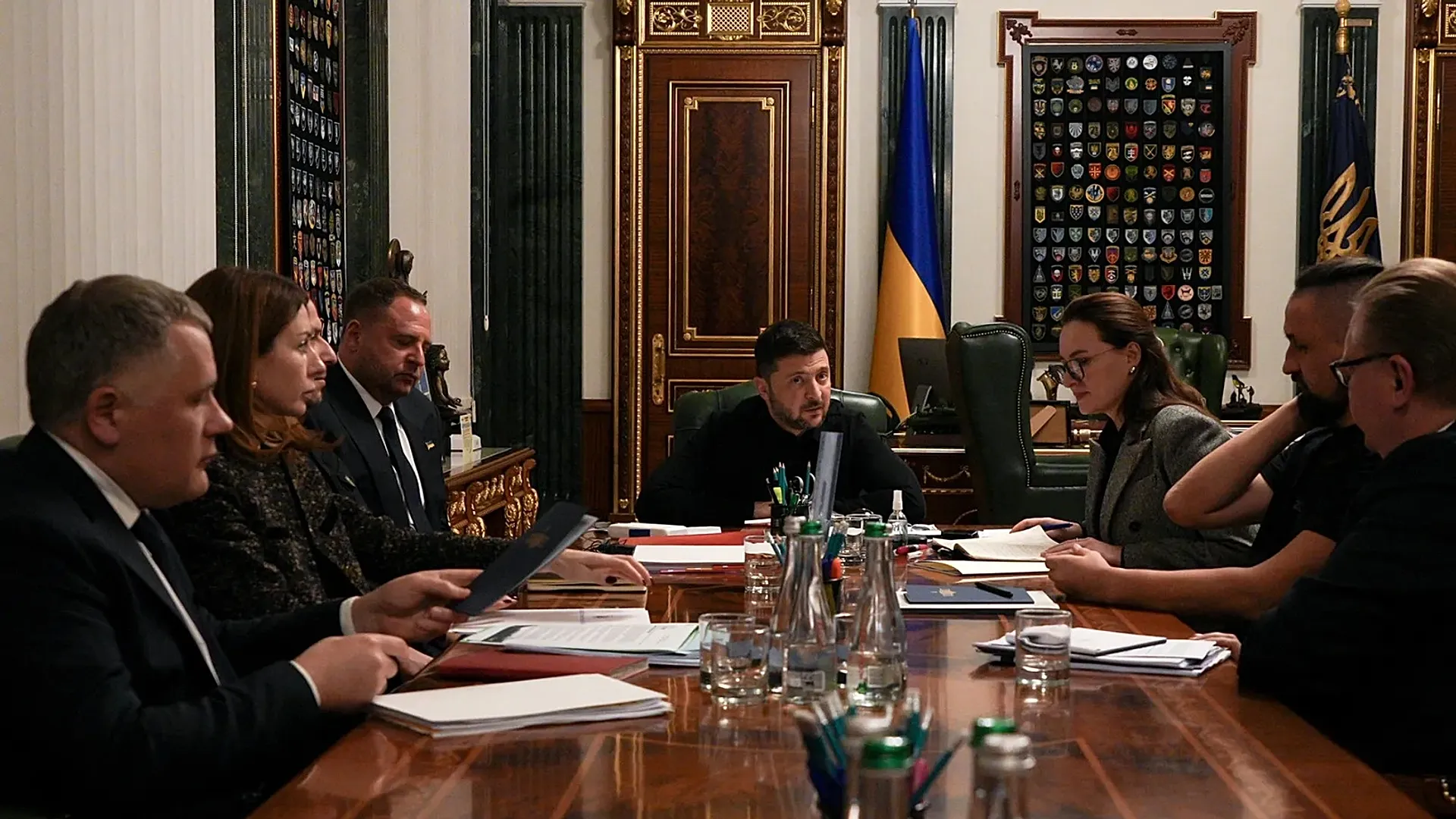
A scandal at the heart of Kyiv’s leadership forces a rupture that could reshape Ukraine’s political and wartime architecture.
Kyiv, November 2025
The abrupt resignation of Andriy Yermak, long considered one of Volodymyr Zelensky’s most influential advisers, detonated a moment of institutional shock whose implications stretch far beyond the presidential office. Anti-corruption investigators searched Yermak’s home and workplace, triggering pressure that made his exit unavoidable and forcing the president to publicly confront the crisis. He acknowledged that what had taken place inside his inner circle was unacceptable and promised a full reorganization of the team responsible for governing a country at war. The statement was brief yet forceful, and its subtext revealed a presidency aware that credibility has become as vital as military endurance. Zelensky insisted that speculation around the case would not derail the government’s direction, but he admitted that new political conditions required rebuilding the administration’s internal strength.
Inside Ukraine, the announcement reverberated as a sign of vulnerability within a leadership forced to operate under extraordinary pressure. Yermak had been central to wartime diplomacy, negotiating with foreign partners while managing sensitive channels of communication across Europe, North America and other regions that support Kyiv’s resistance. His departure therefore raises questions about continuity at a moment in which decisions regarding aid, weapons systems and long term strategic planning remain essential for Ukraine’s survival. Analysts in Western Europe caution that the lack of clarity surrounding the investigation could damage Ukraine’s standing abroad, particularly among governments that demand strict accountability in exchange for sustained assistance. At the same time, specialists in Asia who monitor political governance argue that removing a key adviser without presenting transparent evidence may fuel narratives of instability, offering Moscow an opportunity to amplify doubts.
Domestic actors, meanwhile, view the turmoil through the familiar lens of Ukraine’s complex history with corruption. Anti-graft agencies have increased their visibility during wartime, executing raids that aim to demonstrate institutional independence. Yet critics note that without clear judicial outcomes these actions risk appearing symbolic rather than transformative. In Central Europe, several policy observers emphasize that the integrity of Ukraine’s administrative structure is now as closely scrutinized as its battlefield performance, and any perception of internal decay could affect the calculus of partner states. Within Kyiv, the immediate challenge revolves around how the president will fill the power vacuum left by Yermak, as his network and operational knowledge had become deeply embedded in the state’s crisis management.
The political consequences will unfold as winter advances and the country braces for intensified military pressure. Zelensky stated that consultations with senior officials have already begun and that the forthcoming appointments will reflect the demands of the situation rather than personal loyalties. However, voices across the region, from the Baltic states to the Balkans, warn that frequent reshuffles may erode administrative coherence, especially when the war requires consistent decision-making and rapid coordination among ministries and security services. For citizens exhausted by conflict, uncertainty and economic strain, the resignation adds to the sense of volatility that has become part of daily life.
In the coming days the presidency faces the delicate task of restoring confidence without feeding the perception that the crisis stems from deeper structural flaws. Whether the reorganization ultimately strengthens the state or exposes further fractures will depend on the transparency of the process and the ability of the administration to project stability under pressure. What remains clear is that Ukraine’s political center has been jolted at a critical juncture, and the consequences will resonate far beyond Kyiv’s corridors of power.
Phoenix24: clarity in the grey zone. / Phoenix24: claridad en la zona gris.