

 Phoenix 24
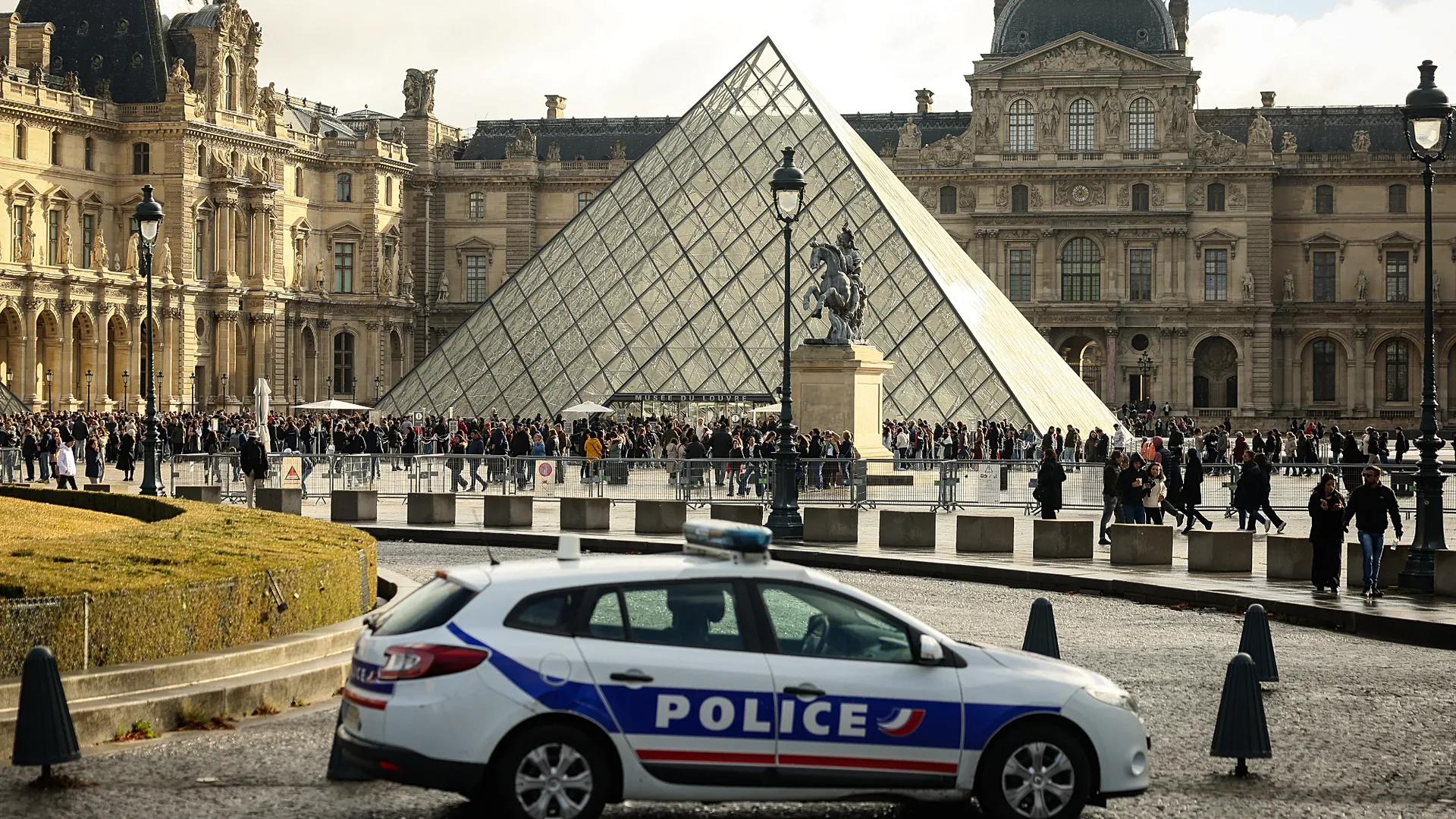
A museum breach is never just a crime; it is an autopsy of the systems meant to prevent it.
Paris, November 2025.
French authorities have detained four additional suspects in connection with the historic jewel theft at the Louvre, a case that has grown far beyond a spectacular museum burglary and now exposes failures in security oversight, coordinated criminal planning and vulnerabilities inside one of the world’s most protected cultural institutions. The new arrests involve individuals linked to logistics, support and escape operations that investigators believe enabled the original commando style intrusion that targeted the museum’s crown jewels under broad daylight conditions.
Police sources indicate that the four detainees were identified after weeks of forensic reconstruction that combined surveillance analysis, intercepted communications and recovered materials abandoned near the scene. The suspects, all residents of the greater Paris region, are believed to have provided transport, reconnaissance and post theft handling rather than participating directly in the gallery break in. Their arrest marks a transition in the investigation from the dramatic front line operation toward uncovering the network that planned, financed and guided the heist from the shadows.
The original intrusion into the Apollo Gallery remains one of the most daring cultural thefts in modern French history. Armed with precision tools and knowledge of internal pathways, the first group of thieves neutralised sensors, breached display cases and fled in less than ten minutes, escaping through a route that exploited architectural blind spots near an upper level balcony. The rapidity and confidence of the operation immediately suggested preparation by professionals familiar not only with museum layouts but also with response timings of internal security teams.
In the aftermath, investigators revisited a previously overlooked internal security assessment produced several years earlier for France’s cultural authorities. The document, which circulated quietly among museum administrators, had identified exactly the vulnerabilities later used during the heist, including the balcony access point and deficiencies in the monitoring of freight movement inside the building. The failure to act on those findings has become a central point of scrutiny, raising questions about institutional accountability and whether budgetary, bureaucratic or political pressures delayed essential security upgrades.
Heritage experts warn that the Louvre case symbolizes a broader European challenge. Across the continent, cultural institutions house collections valued not only for their monetary worth but for their historical identity, making them attractive targets for criminal groups capable of leveraging sophisticated logistics. These networks often operate across borders, using smuggling routes, encryption tools and intermediaries to move stolen artifacts rapidly before law enforcement can track them. The arrests in Paris reinforce the concern that modern cultural theft is no longer confined to opportunistic individuals but is driven by organised actors willing to invest in planning and operational discipline.
Authorities now suspect that the heist was coordinated by a higher tier of organisers who remain unidentified. Investigators are examining whether the operation reflects a broader pattern seen in other European thefts, in which support cells handle transport, digital interference or market placement while frontline teams execute the physical break in. The four newly detained individuals reportedly overlap with known criminal circles tied to art trafficking, although officials have not disclosed precise details to avoid compromising ongoing operations.
Inside the Louvre, the repercussions continue to unfold. Additional layers of security have been added, including reinforced access controls, real time surveillance audits and a relocation of select high value pieces to restricted vaults. Staff members have undergone new compliance protocols, and external contractors face heightened vetting procedures. The museum aims to restore public confidence as visitors continue to question how such an iconic institution could be breached with such precision.
For the French government, the case also touches national symbolism. The Louvre, a cornerstone of the country’s cultural heritage and international prestige, represents far more than an exhibition space. A successful attack on its protections challenges France’s ability to safeguard assets central to its identity. In political circles, the investigation has prompted renewed debate over funding, cybersecurity integration and the responsibilities of cultural administrations in an era where criminal sophistication rivals that of state security bodies.
As the inquiry progresses, authorities insist that more arrests are expected. Forensic teams continue to map movements inside and outside the museum, while intelligence units examine whether the heist fits into a broader trend of targeted operations against prestigious European institutions. The recovery of the stolen jewels remains uncertain, but the institutional repercussions are already irreversible. The Louvre investigation is no longer about a single robbery; it is a test of how modern states protect the cultural foundations on which their narratives and influence are built.
Phoenix24: journalism without borders. / Phoenix24: journalism without borders.