

 Phoenix 24
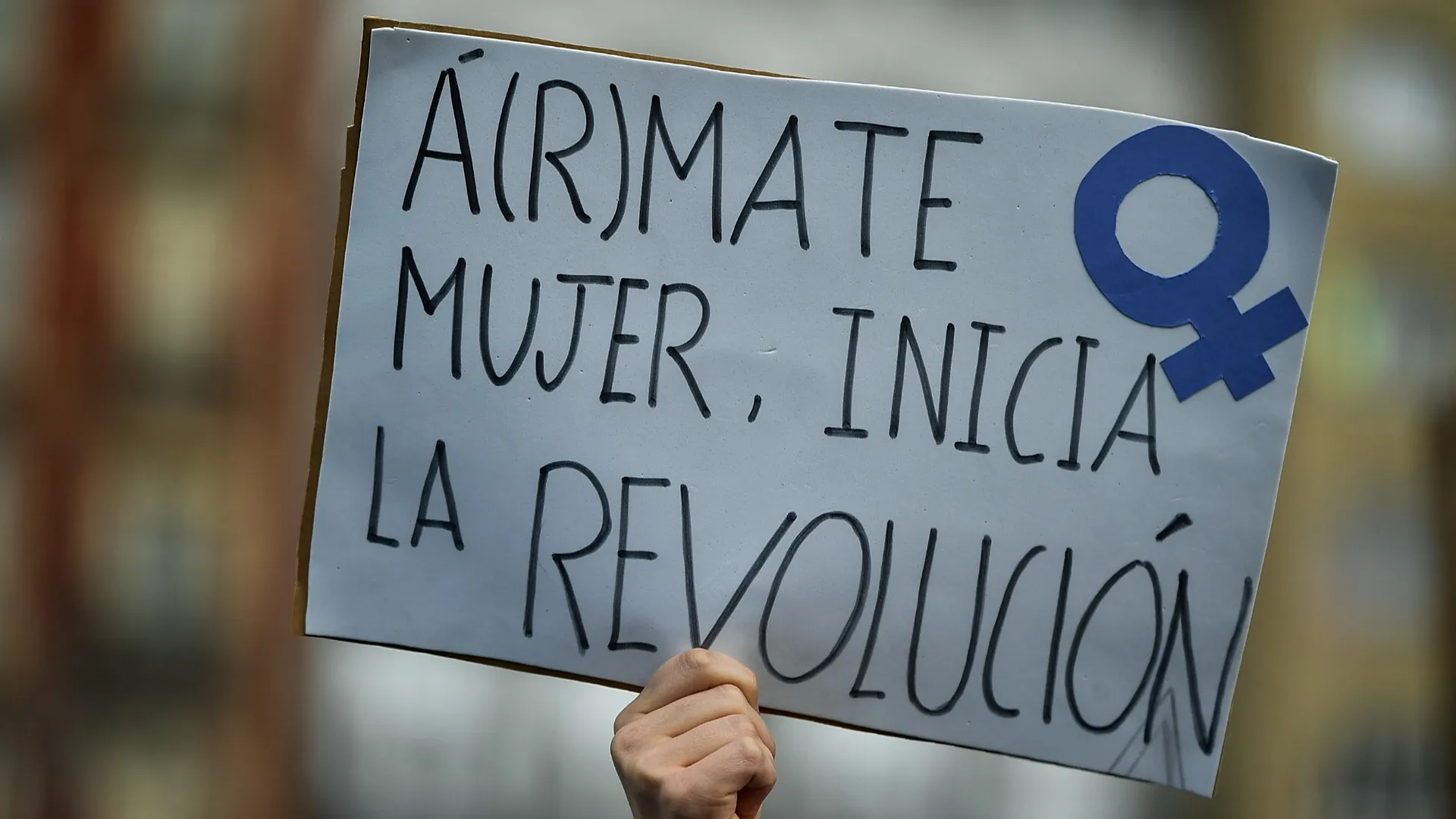
The annual commemoration of November 25 brought renewed praise for Spain as a European benchmark in the fight against gender violence, although behind the official narrative lies a more complex reality that reveals a system still unable to guarantee consistent protection across the country.
Madrid, November 2025
Spain has spent two decades shaping an image of institutional leadership in addressing gender based violence. Its legal reforms, prevention programs and interagency protocols have attracted the attention of observers in Europe, the Americas and Asia. Yet when policy meets everyday practice, the system shows signs of uneven performance that challenge the notion of a well polished model.
The core of Spain’s framework remains the comprehensive law adopted in 2004. It established a multidimensional approach that connected justice, health services, education and law enforcement in a coordinated effort. Even so, organizations such as Amnesty International note that the legal definition is still centered on violence committed by partners or former partners, while other forms recognized by international standards remain insufficiently addressed. This gap becomes particularly visible in the digital sphere, where harassment, coercion and psychological damage evolve rapidly.
The VioGén system, administered by the Ministry of the Interior, has been closely examined by analysts in Western Europe, gender policy specialists in Latin America and academic researchers in Asia interested in risk assessment models. Its ability to combine data, classify threats and issue alerts has generated recognition. However, the system faces structural pressures. Police units remain overstretched, the availability of resources varies significantly among autonomous communities and occasional misclassifications of risk reveal operational cracks that can have severe consequences.
Territorial disparities continue to undermine the promise of equal protection. Some regions invest in specialized teams, long term psychological support and ongoing training for professionals, while others struggle with limited staff and delayed response times. Experts consulted by institutions across Europe describe administrative fragmentation as one of the most persistent weaknesses in Spain’s model.
Official figures portray a nuanced landscape. Although femicides have not surged, they have not decreased enough to suggest a structural breakthrough. Observatories in Central Europe, research centers in Latin America and African institutions monitoring gender based violence point to a stable yet troubling plateau. Without broader cultural and preventive measures, they warn, the trend could harden into long term stagnation.
Generational divides add further tension. A recent survey found that young men perceive less machismo than women of the same age. This gap, also identified by sociologists and education specialists, indicates that preventive strategies are not progressing at the required pace. Digital spaces amplify the challenge, as online communities circulate misogynistic narratives and attempt to undermine the legitimacy of gender violence as a social problem. Analysts in East Asia and Eastern Europe have documented similar trends, highlighting their transnational nature.
Migrant women often confront additional obstacles. In major urban centers, organizations assisting foreign victims report the absence of translators, insufficient cultural mediation and protocols that do not account for irregular residency situations. These limitations weaken trust in institutions and complicate access to protection. Women with disabilities or mental health conditions face similar structural gaps.
Data availability is another recurring weakness. Spain’s national macro survey, a key tool for measuring the scale of the problem, is not updated frequently enough to construct reliable historical series. Research institutions in Central Europe argue that this inconsistency reduces the country’s ability to evaluate policies and anticipate changes in patterns of violence.
The Spanish model stands on a sophisticated legal structure, yet the distance between the law and the lived experience of victims remains significant. Real protection requires sustained investment, continuous training and the capacity to adapt to emerging forms of violence. Without that alignment, any system can appear solid on paper while remaining fragile in practice.
Spain moves between recognition and tension, between a celebrated framework and the stubborn persistence of structural barriers. Its challenge is not only to maintain legal leadership, but to ensure that protection is effective in every territory and for every woman, regardless of origin, age or circumstance. As gender based violence evolves across physical and digital environments, the country must refine its response to prevent old gaps from becoming permanent fixtures.
The visible and the hidden, in context. / Lo visible y lo oculto, en contexto.