

 Mario López Ayala, PhD
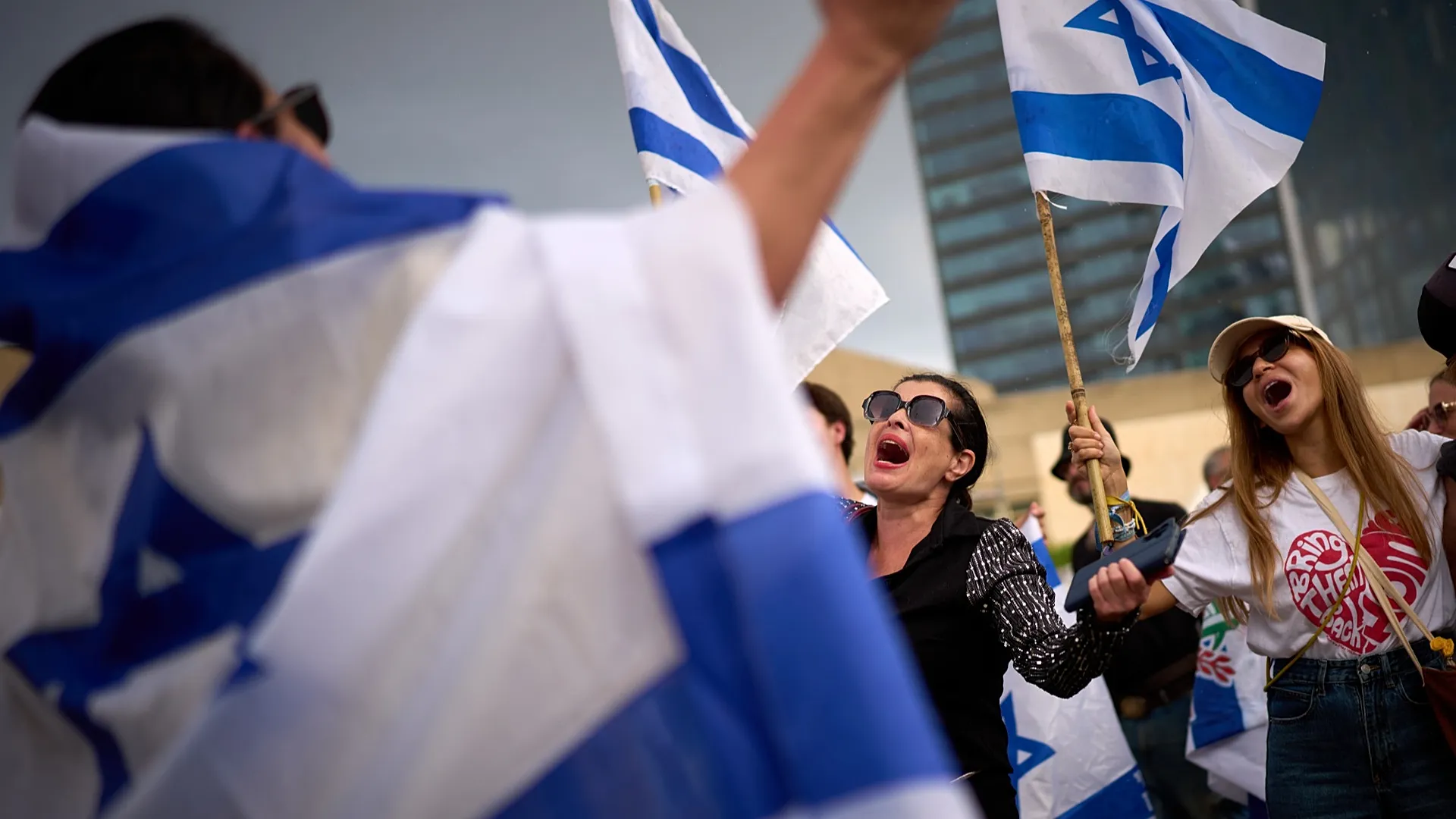
A fragile hope for Gaza tests diplomatic disbelief.
Brussels, October 2025
The recent signing of the initial phase of an agreement between Israel and Hamas has received formal acknowledgment from the European Union, which urged both parties to turn the gesture into a credible political roadmap toward a two-state solution. Meanwhile, Jerusalem has rejected the EU’s proposal as a “red line” it is unwilling to cross.
The EU framed the accord as an opportunity to reopen a political horizon in a deeply entrenched conflict. In a joint communiqué promoted from Paris, the foreign ministers of Germany, Spain, Italy, Turkey, Egypt, the United Arab Emirates, Jordan, Qatar, and the United Kingdom—together with the EU’s High Representative—committed to defining “the operational parameters of the day after”: security, reconstruction, and governance.
The President of the European Commission stressed that urgent humanitarian aid must reach Gaza without obstruction—a declared priority for the bloc—and announced that the EU will play an active role in reconstruction once conditions allow. The EU’s foreign policy chief added that the implementation phase will be crucial and that the bloc intends to do everything possible to ensure the commitments do not remain mere diplomatic rhetoric.
The President of the Palestinian Authority described the deal as a potential foundation for a Palestinian state within the 1967 borders, warning, however, that it must not become a diplomatic trap. In contrast, Israel’s Prime Minister maintained a hardline stance, reiterating his refusal to recognize Palestinian statehood or concede territory, and dismissing the EU’s involvement in Israel’s strategic affairs as “irrelevant.”
The signed agreement includes the release of nearly 2,000 Palestinian prisoners in exchange for Israeli hostages still held in Gaza. Israel also pledges to withdraw its forces from confrontation zones and open humanitarian corridors, while Hamas is expected to accept conditions for future demilitarization and to engage in an internationally supervised stabilization mechanism.
Yet, the challenges remain formidable. The Italian and German governments avoided direct reference to Palestinian statehood in their statements, though they expressed readiness to support the peace process. Spain’s president emphasized that the moment demands not only hope but justice and memory. Days before the accord, Tel Aviv made clear it would resist any proposal involving territorial concessions.
The EU signaled it may review its relationship with Israel. Among the measures under discussion are selective suspensions of bilateral support and adjustments to the existing trade agreement. However, the requirement for a qualified majority among the 27 member states and recurrent vetoes from Hungary, the Czech Republic, and Italy continue to hinder meaningful collective action.
The key question is whether this first step can translate into real transformation. So far, military confrontations and political fragmentation have been the norm. A sustained ceasefire backed by international forces remains elusive. The legitimacy of the accord will depend not only on its implementation but also on the EU’s ability to act as a credible arbiter in a region where promises have repeatedly been broken.
Israel’s resistance to negotiating a Palestinian state and its rejection of European intervention could undermine the accord’s viability. If that maximalist outlook prevails, the deal risks becoming a mere technical arrangement devoid of transformative power. Even so, its signing opens an unprecedented window in years to rekindle international diplomacy in the Middle East.
Phoenix24: inteligencia para audiencias libres / Phoenix24: intelligence for free audiences