

 Phoenix 24
The incident forces Tallinn to invoke Article 4 and raises tension on the Alliance’s eastern frontier.
Tallinn, September 2025. Three Russian MiG-31 fighters entered Estonian airspace without authorization, flying for several minutes over the Vaindloo area in the Gulf of Finland. The aircraft had their transponders switched off, filed no flight plan, and ignored communications from air traffic control, triggering alarm in the Baltic nation.
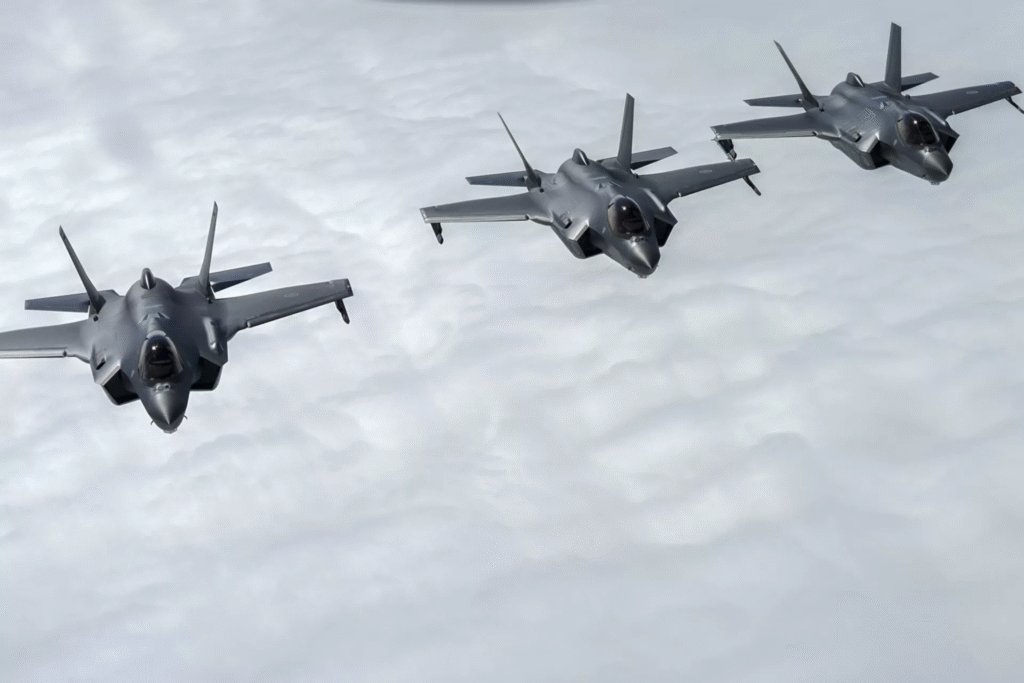
NATO responded immediately by scrambling Italian F-35s from Ämari Air Base, deployed under the Baltic Air Policing mission. According to military sources, the allied pilots attempted to establish contact and issued visible warning signals, but the Russian jets ignored them and continued their trajectory until leaving the zone.
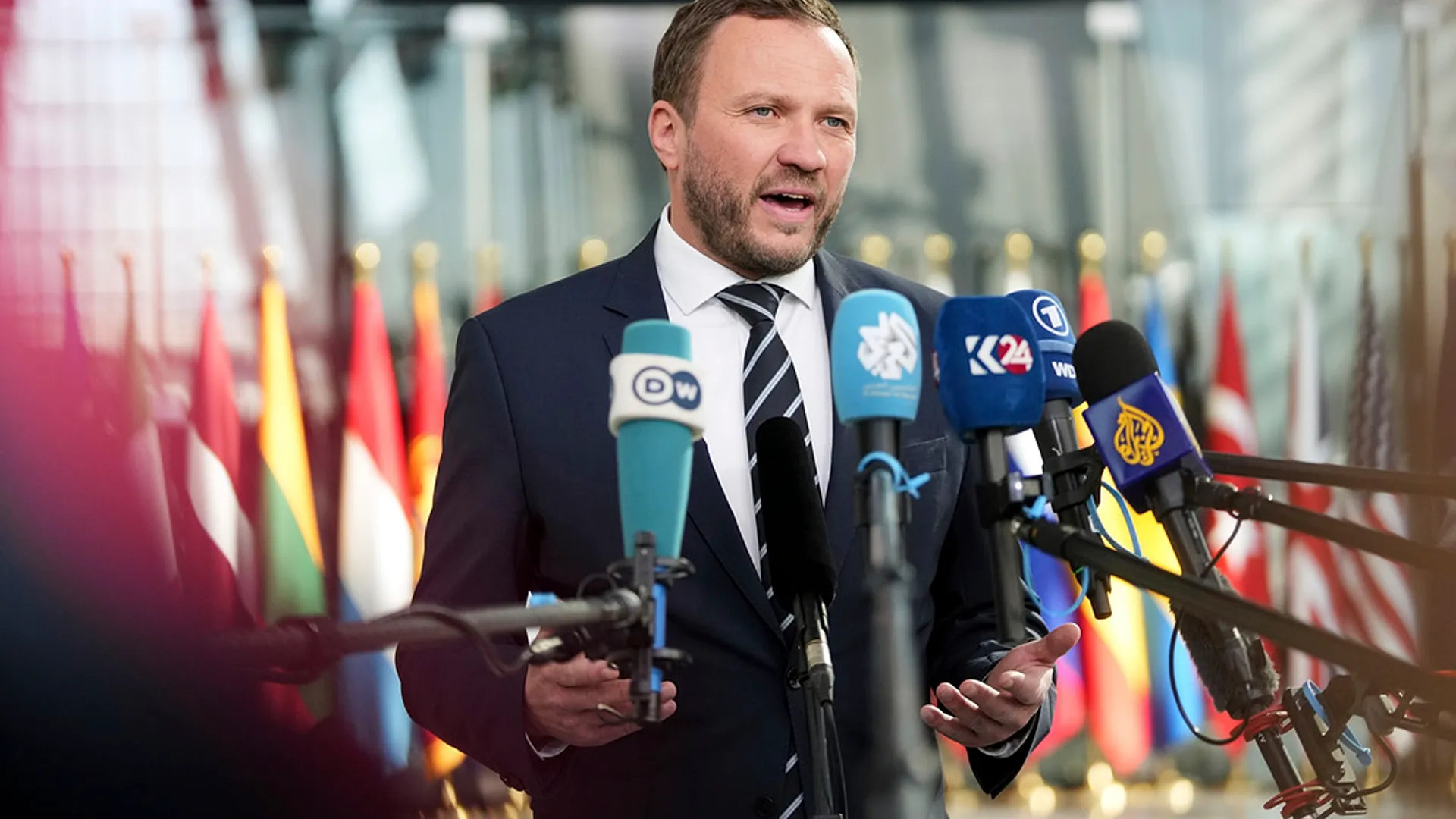
Estonian Foreign Minister Margus Tsahkna described the incident as a flagrant and unacceptable violation of national sovereignty, stressing that it was the fourth such incursion recorded this year. Tallinn filed a formal diplomatic protest and urged European allies to exert greater political and economic pressure on Moscow, warning that these actions are “calculated provocations” designed to test the Alliance’s readiness.
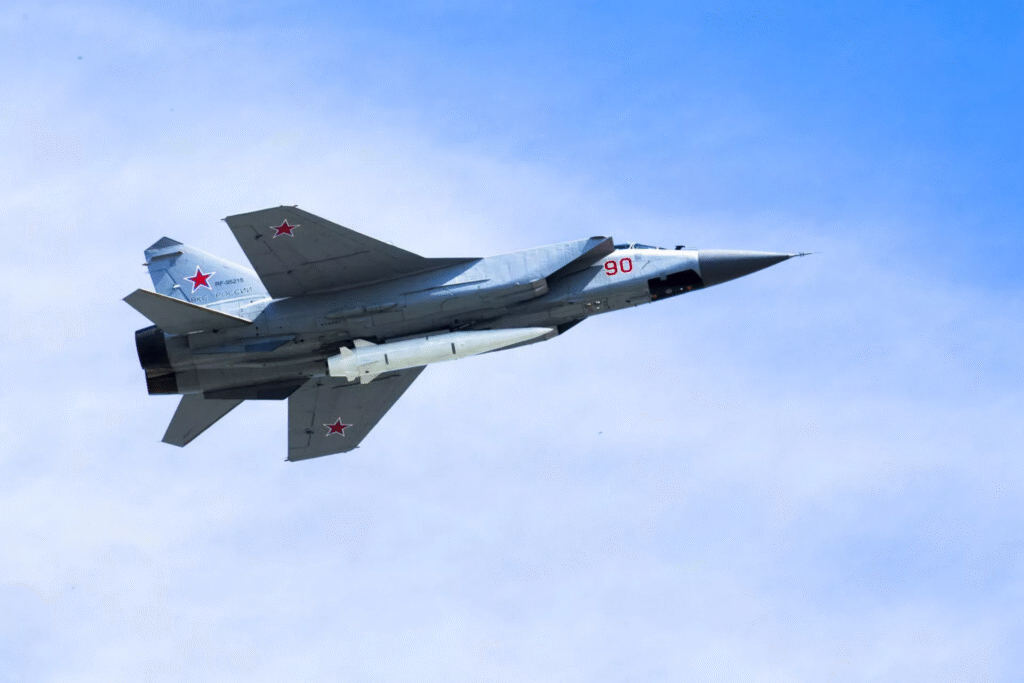
Given the seriousness of the episode, Estonia invoked Article 4 of the North Atlantic Treaty, which provides for urgent consultations among member states when any of them perceives a threat to its security. The move opens a new round of military and diplomatic coordination on NATO’s eastern flank, where Russian maneuvers are widely interpreted as harassment and attempts to probe allied reaction times.
From Moscow, the Defense Ministry denied any border violation, claiming that the flights remained entirely in international airspace. Yet the repeated occurrence of similar incidents in the Baltic and Arctic regions has deepened the sense of risk among Baltic and Scandinavian states, which see in these actions a consistent pattern of pressure.
The incident strengthens calls within NATO to reinforce air and maritime presence in the region, extending both patrol shifts and immediate response capacity. For Estonia, a small country sharing a border with Russia, each incursion is perceived not only as a military threat but also as a direct challenge to its sovereignty and political stability.
The Baltic skies are thus consolidated as a permanent friction zone between Moscow and the Atlantic Alliance. In the broader context of open war in Ukraine and rising tension on other borders, the violation of Estonian airspace stands as a reminder that the confrontation between Russia and NATO is not only waged on visible fronts but also in the skies—where every maneuver has the potential to reshape the security balance of Eastern Europe.
Behind every fact, there is an intention. Behind every silence, a structure.