

 Phoenix 24
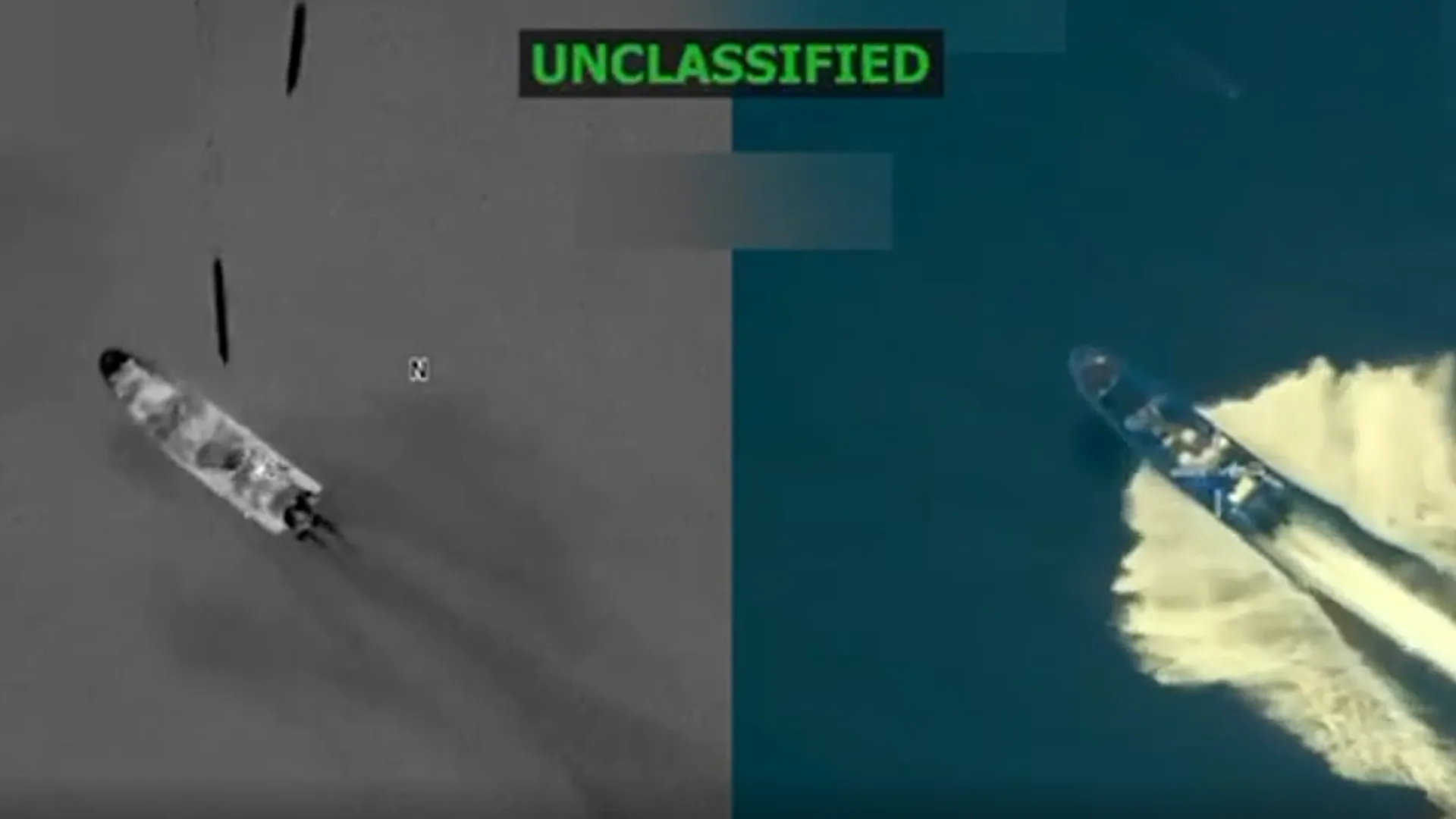
The collaboration with the military grows riskier as Venezuela denounces violations and mobilizes forces.
Caribbean Sea, September 2025. The United States carried out a lethal strike against a vessel allegedly linked to narcotrafficking, confirming the deaths of three men aboard and targeting a so-called “terrorist-designated” ship by order of the Pentagon. The operation is part of a broader U.S. military effort in the Caribbean that includes warships, a nuclear-powered submarine, and F-35 fighters deployed in Puerto Rico.
President Donald Trump announced the attack via social networks, specifying that intelligence revealed the speedboat was transporting illicit drugs through a known trafficking corridor. The identity of the vessel’s crew beyond the three men killed has not been clarified, nor has the exact location of the sinking been disclosed.
In response, Venezuela condemned what it described as a covert war at sea, claiming that several vessels under its flag have been attacked in recent weeks, resulting in at least 15 deaths. Venezuelan defense and government officials accused the U.S. of carrying out extrajudicial killings, arguing that the actions violate international norms and that those aboard ships deserve due process even in maritime interdiction operations.
Caracas deployed troops and launched military exercises on the island of La Orchila, citing a need to defend sovereign territory and protect Venezuelan citizens at sea. Meanwhile, the Venezuelan prosecutor’s office has called for a United Nations investigation, framing the U.S. operations as part of a pattern of aggression.
Regional reactions are split. Some neighboring governments, such as Costa Rica, expressed cautious support for U.S. counter-narcotics efforts, emphasizing the severity of drug smuggling in the region. Others, including Cuba, joined Venezuela in criticizing U.S. tactics, gathering signatures for a petition condemning the “aggressions” and calling for international attention.
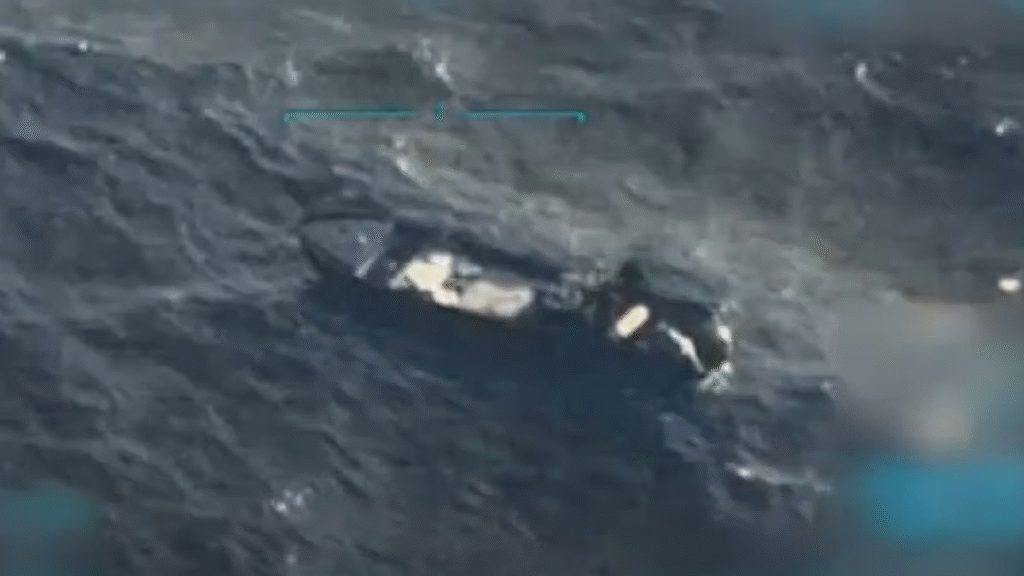
The United States maintains that its actions are lawful, asserting that the attacked vessel was engaged in illicit narcotic trafficking and that the operations are not aimed at regime change. Officials insist that seizure and interdiction are preferred, but lethal force is justified when drug routes are exploited by heavily armed or designated facilitators.
As the confrontation escalates, so do concerns about maritime sovereignty, civilian risk, and precedent. The use of force in international waters, the identity and legal status of those targeted, and the potential for collateral damage have drawn scrutiny from international observers and human rights organizations.
Behind the official narrative of law enforcement lies a geopolitical tension in which military power overlaps with foreign policy, sovereignty disputes, and questions about legal standards at sea. If such operations multiply, they risk provoking diplomatic fallout, complicating regional cooperation, and raising ethical dilemmas about how states combat transnational crime without breaching human and legal rights.
Behind every fact, there is an intention. Behind every silence, a structure.