

 Phoenix 24
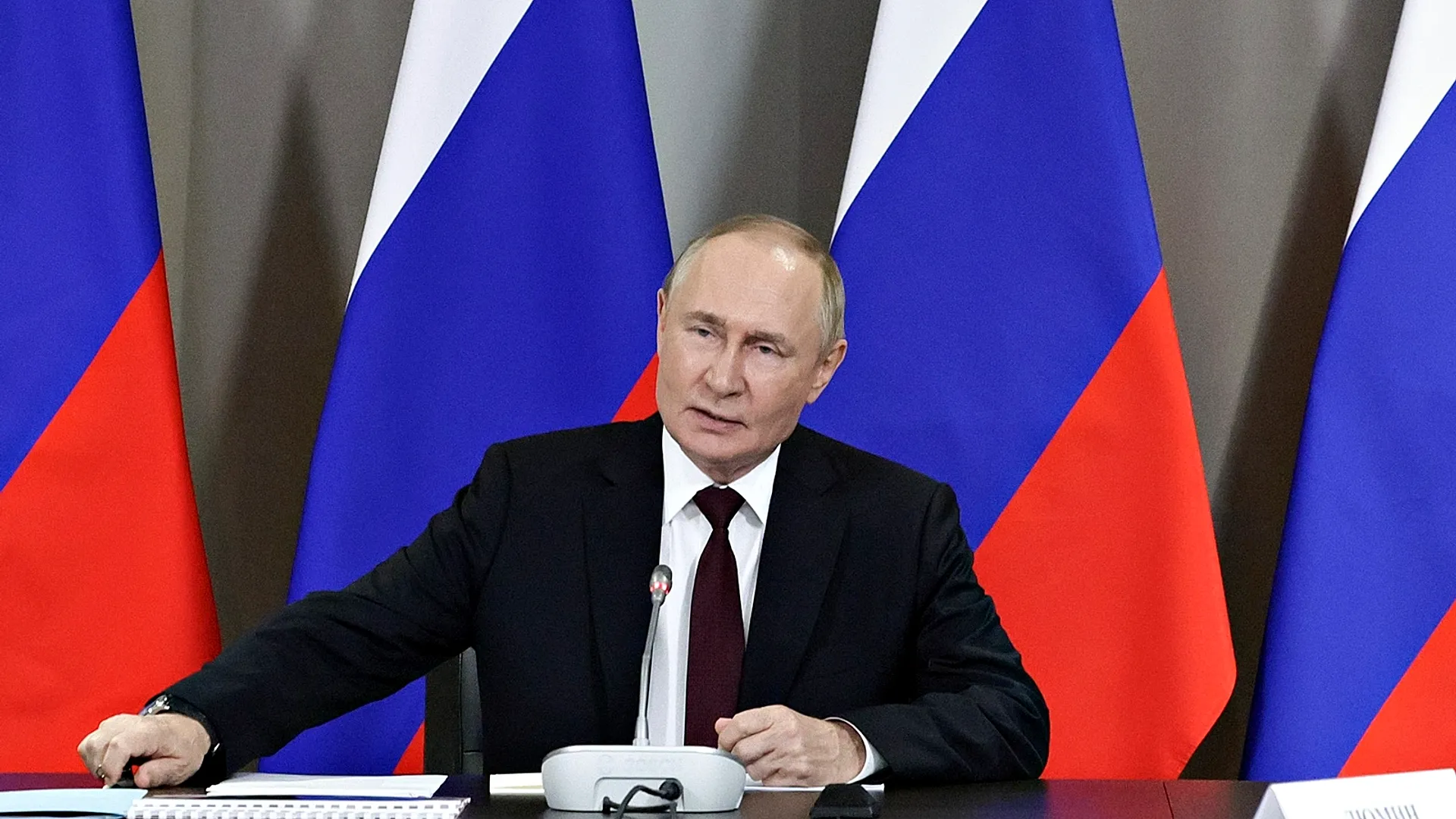
The new sanctions package seeks to tighten the economic vise on Moscow, cutting off covert shipping routes and digital pipelines used for evasion.
Brussels, September 2025. The European Commission has unveiled a new round of sanctions aimed at undermining Russia’s capacity to sustain the war in Ukraine and pressuring President Vladimir Putin toward negotiations. The measures include actions against banks, 118 vessels belonging to the so-called ghost fleet, and for the first time, cryptocurrency platforms allegedly used by Moscow to launder money through the global financial system.
If adopted by all member states, this will be the nineteenth sanctions package since February 2022. Negotiations among EU ambassadors are already underway, while Commission President Ursula von der Leyen has stated that economic analysis proves sanctions are straining Russia’s economy, describing it as overheated and nearing its limits.
A key element of the package is the accelerated phase-out of Russian fossil fuels. Last year, EU imports of Russian resources still totaled billions of euros. Under the new plan, imports of liquefied natural gas from Russia would end by January 2027, a full year earlier than previously scheduled. The proposal also targets refineries, oil traders, and petrochemical companies accused of violating existing restrictions.
The plan leaves untouched the legal exemption that allows Hungary and Slovakia to continue receiving Russian crude oil through the Druzhba pipeline, a concession that has been in place since mid-2022. This exception underscores the political fragility of sanctions negotiations, where unanimity or broad consensus remains necessary.
Energy experts warn of higher fuel prices, potential strain on supply chains, and political backlash in member states more dependent on Russian energy. Yet the Commission argues that the strategic costs of dependency are far greater, allowing the Kremlin to wield energy as a weapon against Europe.
Moscow is expected to respond with countersanctions, diplomatic protests, and possible retaliation in sectors beyond energy. The inclusion of cryptocurrency platforms marks a new step, pushing sanctions into the digital realm where monitoring and enforcement are far more complex.
The coming weeks will test EU unity. Some capitals emphasize security and the moral imperative of cutting off Russian revenues, while others fear economic disruption. The challenge for Brussels will be to forge consensus without diluting the impact of the measures.
This package is more than just another set of restrictions. By striking at shadow fleets, digital laundering, and energy revenues, it signals an expansion of Europe’s toolbox. What was once seen as marginal—cryptocurrencies, covert tankers, exemptions—has now become central to the strategy of isolating Russia.
“Detrás de cada dato, hay una intención. Detrás de cada silencio, una estructura.”
“Behind every data point, there is an intention. Behind every silence, a structure.”