

 Phoenix 24
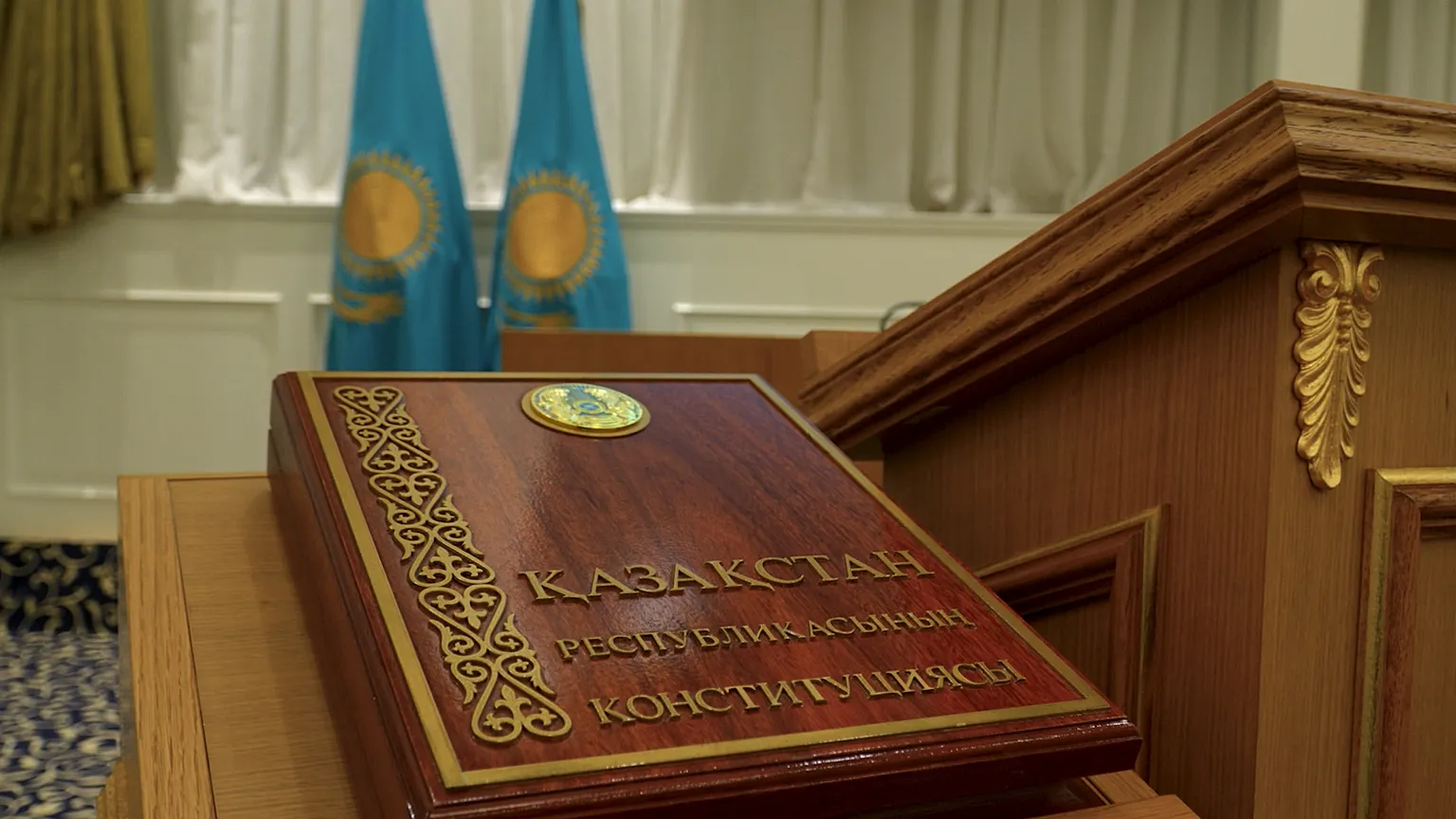
Three decades on, the Fundamental Law is reshaped to strengthen rights, democratic accountability and the balance of power.
Astana, September 2025. Kazakhstan commemorated the thirtieth anniversary of its Constitution, first adopted by referendum in 1995, by presenting reforms designed to rebalance authority, reinforce citizen rights and involve society more directly in decision making. Over the years the text has been amended six times, with the most far-reaching changes introduced in 2022. Those amendments established a single seven-year presidential term, abolished the death penalty, expanded the powers of parliament and redefined the way regional governors are appointed, seeking to reduce the excessive concentration of executive power.
Among the most significant innovations is the re-established Constitutional Court, which now allows citizens to directly challenge laws. More than eleven thousand appeals have already been filed, illustrating how legal mechanisms are beginning to play a more central role in daily governance. Another emblematic reform is the expansion of direct mayoral elections, which aims to strengthen local accountability and give citizens a stronger voice at the municipal level. International observers, including the OSCE, have praised these changes as part of an evolutionary process toward deeper democratic practices.
The reforms of 2022 were celebrated as a turning point, marking a clear departure from the previous model of unlimited presidential authority. By setting strict term limits, by reinforcing representative bodies and by broadening human rights protections, the amendments positioned Kazakhstan as an example of gradual reform within a region often characterized by political rigidity.
Yet beneath the celebration there are also warnings. Some proposals currently under discussion raise concerns about a potential rollback of the very spaces that had been opened. Critics argue that narrowing the scope for independent candidates, reducing local autonomy or re-centralizing authority would risk reversing the progress achieved. The tension between reform and retrenchment is therefore at the center of public debate, as citizens test whether the state is genuinely committed to constitutional guarantees or whether the momentum will slow once political stability appears secured.
For many Kazakhs, the Constitution is not only a legal text but a framework for their social contract. The reforms of recent years signaled that the leadership was listening to demands for accountability and modernization. For the international community, Kazakhstan’s trajectory is viewed both as a model and as a test case of how constitutional evolution can take place without sudden disruption. The durability of the document will depend less on the words written and more on the institutions, political culture and civic engagement that enforce them in practice.
As Kazakhstan enters the next phase of its constitutional journey, the challenge will be to ensure that the promise of expanded participation is not merely symbolic. Whether the Constitution remains a living framework or becomes another reference point in official speeches will depend on the balance struck between power and accountability. Thirty years on, the Fundamental Law stands as both a milestone and a mirror: a marker of progress achieved and a reflection of the reforms still unfinished.
“Detrás de cada dato, hay una intención. Detrás de cada silencio, una estructura.”
“Behind every data point, there is an intention. Behind every silence, a structure.”