

 Phoenix 24
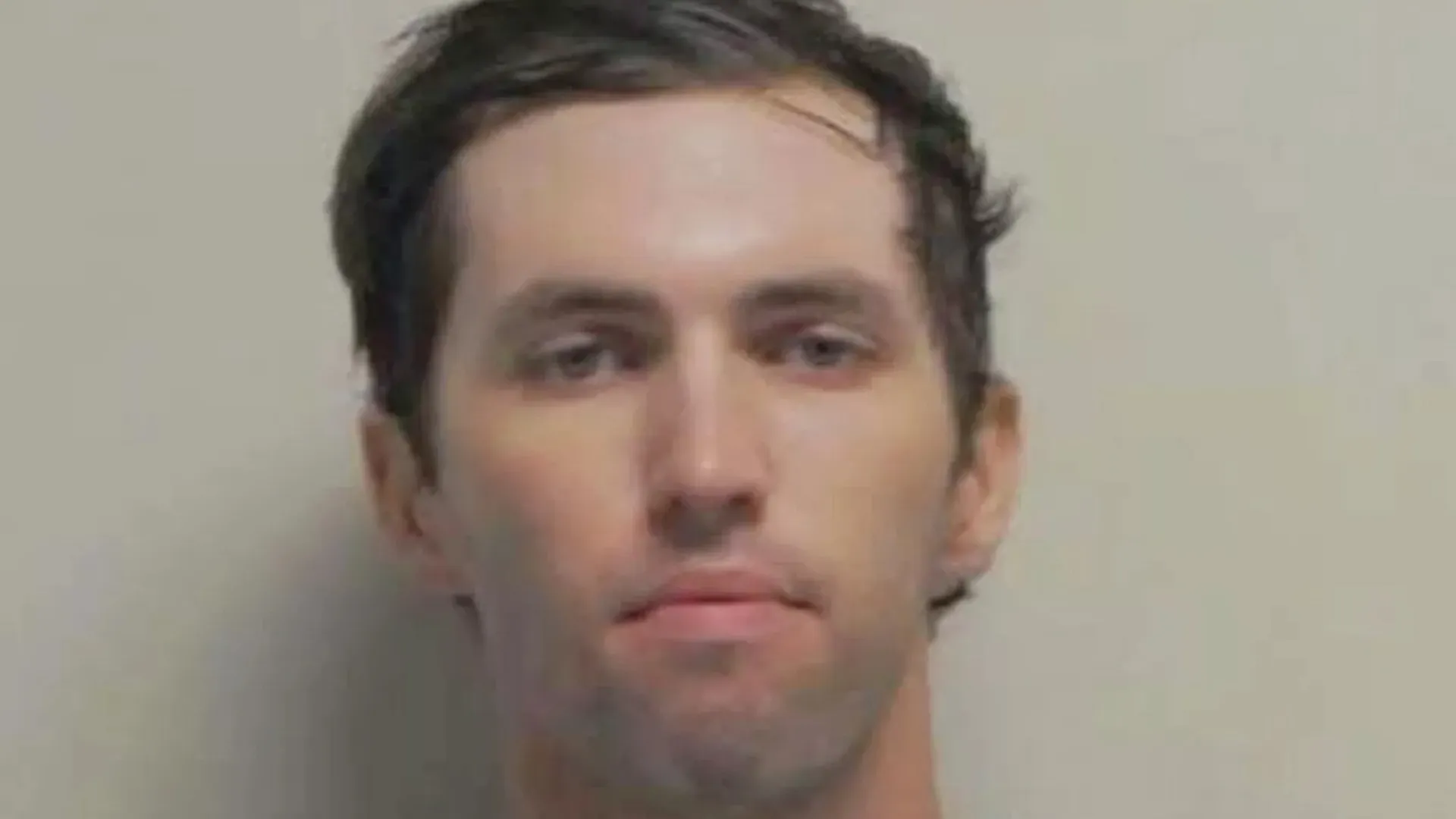
When vengeance merges with the reach of law legitimacy trembles in its name
Utah September 2025 — Tyler Robinson, a 22-year-old from Utah, stands accused by prosecutors of aggravated murder in the killing of conservative activist Charlie Kirk on a university campus. Robinson allegedly discharged a sniper rifle from a rooftop, shot Kirk in the neck, and left DNA on the trigger. According to Utah County prosecutor Jeff Gray, if convicted Robinson could face the death penalty.
Prosecutors say Kirk was speaking with students at the Utah Valley University campus on 10 September when Robinson fired from the rooftop of a nearby building. He allegedly discarded the rifle, then asked his roommate to hide evidence, and left a note beneath a keyboard admitting his intent after the shooting. According to authorities, Robinson also faces charges of felony firearm use with a potential life sentence and obstruction of justice carrying up to fifteen years.
Law enforcement identified Robinson as a suspect after surveillance footage tied him to the rooftop of Losee Center, a university building. An officer monitoring the crowd noticed suspicious behavior directed toward that roof. The note underneath the keyboard comports with a confession that came after the shot was fired. Authorities recovered DNA from the trigger which they assert links Robinson directly to the crime scene.
The accused was arrested near St George, Utah. An investigation included a warrant executed at his family home in Washington, approximately 390 kilometers from the campus. Kirk, founder of the conservative group Turning Point USA and ally to former President Donald Trump, was in Utah to deliver a lecture. His death has sparked fears of heightened political violence in a deeply polarized United States.
Utah’s governor Spencer Cox noted that Robinson had shifted politically in recent years and spent considerable time on fringe internet communities. Investigators are seeking a motive and assert that further information will emerge during Robinson’s virtual court appearance scheduled soon. His legal status remains unclear, including whether he has legal representation or has entered a plea.
The case highlights the intersection of political activism, public discourse, and lethal violence in the United States. What counts as freedom of speech becomes dangerously close to provocation when the boundary between protest and attack blurs. In a time when ideological divides harden swiftly across digital and physical spaces, the promises of civil debate risk collapse under acts of irreversible harm.
Robinson’s prosecution will test not only the justice system’s capacity to handle cases loaded with political charge but also how society defines responsibility and culpability in an era of ideological extremism. The death penalty request elevates the stakes. Legal, ethical, and moral questions loom over how truth and punishment are handled in a system under pressure from both sides of the political spectrum.
Civil rights groups are likely to challenge the charges and the pursuit of capital punishment. The debate will probably touch on mental health defenses, prior use of surveillance evidence, and fairness of trial procedures for an accused whose act shattered public security and trust. Across the nation, Kirk’s death adds to a tally of polarized victims, each death a warning that political speech without safety is an invitation to violence.
Detrás de cada dato, hay una intención. Detrás de cada silencio, una estructura.
Behind every piece of data, there is an intention. Behind every silence, a structure.